


Listen to the article
Bill Gates Warns Misinformation Is a Major Challenge Being Passed to Younger Generation
Microsoft co-founder and philanthropist Bill Gates has identified misinformation as a critical problem that current generations are bequeathing to young people, expressing concern over how false information proliferates in today’s digital landscape.
In a recent interview with CNBC Make It, Gates acknowledged his previous naivety regarding how information would be consumed online. “When we made information available, I assumed that people would want correct information,” said Gates, whose net worth is estimated at $118 billion according to the Bloomberg Billionaires Index.
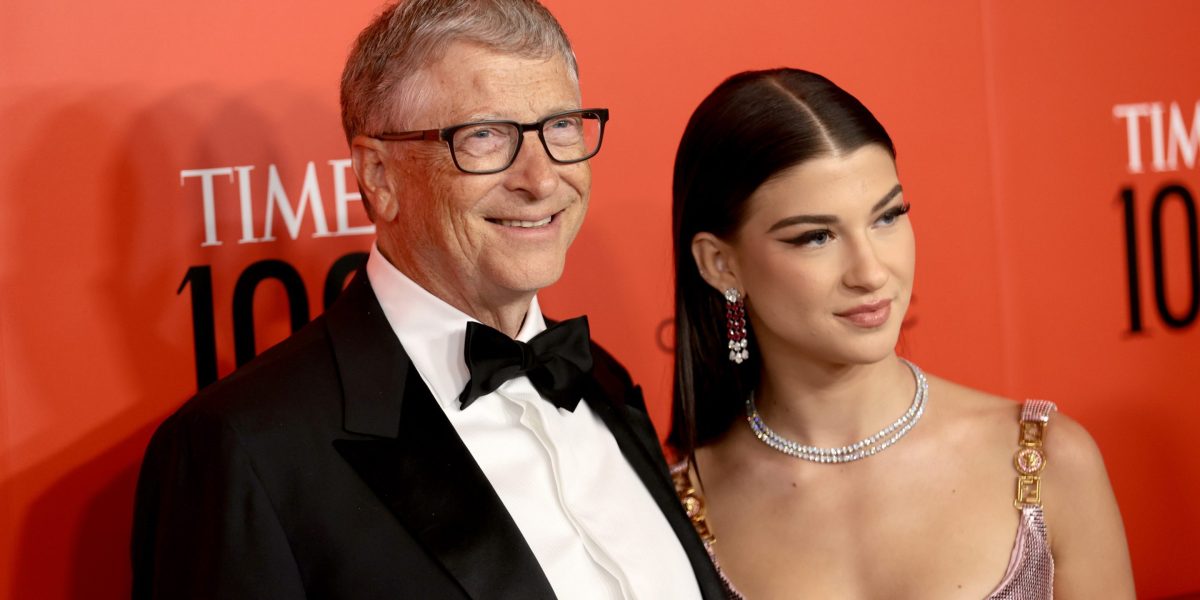
The billionaire’s perspective on this issue has been shaped partly by his family’s personal experiences. Gates revealed that his daughter Phoebe has faced online harassment, bringing the issue into sharper focus for him. “Hearing my daughter talk about how she’d been harassed online, and how her friends experienced that quite a bit, brought that into focus in a way that I hadn’t thought about before,” he explained.
Phoebe Gates, the youngest of his three children and co-founder of the AI shopping tool Phia, has previously spoken about misconceptions regarding her family, including being “memed for being in an interracial relationship.” This experience has apparently deepened the Microsoft founder’s understanding of how misinformation can cause real harm.
Despite recognizing the dangers of misinformation, Gates admitted he understands why people gravitate toward content that confirms their existing beliefs – a phenomenon known as confirmation bias. “We have context where we want correct information, like hopefully when we want medical advice,” he said. “But then we kind of like, in our community and enclave, have these shared views that kind of pull us together.”
Gates even acknowledged his own susceptibility to this tendency, noting that he sometimes enjoys reading critical articles about politicians he dislikes, “even if it was exaggerated.”
The philanthropist has suggested that artificial intelligence could potentially help combat the spread of misinformation. While emphasizing the importance of free speech, he raised questions about where boundaries should exist: “If you’re inciting violence, if you’re causing people not to take vaccines, where are those boundaries? Even the U.S. should have rules.”
Gates has previously addressed this issue on his blog, GatesNotes, where he described a likely “cyclical process” of detecting fake content followed by countermeasures. “It won’t be a perfect success, but we won’t be helpless either,” he wrote in July 2023.
The Microsoft co-founder’s views on managing misinformation stand in contrast to fellow tech billionaire Elon Musk, who positions himself as a free-speech absolutist. As the owner of X (formerly Twitter), Musk has vowed to fight against what he perceives as censorship on his platform, considering freedom of speech the “bedrock of democracy.”
This disagreement over misinformation represents just one of several points of contention between the two tech titans. Their public disputes have included Musk threatening that Gates would be “obliterated” for allegedly holding a short position on Tesla stock, while Gates has criticized Musk’s management style as pushing “too hard.” Musk, in turn, has claimed Gates lacks understanding of artificial intelligence.
More recently, the billionaires have clashed over Musk’s work at the Department of Government Efficiency (DOGE), with Gates expressing concern about foreign aid cuts. Gates has also accused Musk of “insane” political interference, while Musk revived tensions in November by suggesting Gates should close his alleged short position against Tesla.
As digital platforms continue to evolve and artificial intelligence advances, the debate over how to manage misinformation while preserving free speech remains unresolved – with Gates and Musk representing opposing perspectives on this critical issue facing society today.
Fact Checker
Verify the accuracy of this article using The Disinformation Commission analysis and real-time sources.

9 Comments
As a prominent tech leader, Gates has unique insight into the rise of misinformation and online harassment. His willingness to share his personal experiences and concerns is commendable and could help spur meaningful action.
The personal experience of Gates’ daughter facing harassment online underscores how these problems hit close to home, even for the wealthy and influential. Protecting vulnerable groups, especially youth, has to be a priority.
Absolutely. The burden of misinformation and online abuse shouldn’t fall on the next generation, but solutions need to involve them meaningfully.
Gates makes a fair point – when we opened up the internet, many assumed people would seek out accurate information. But the rise of misinformation and online harassment shows how that assumption was naive. Tackling these issues will require a multifaceted approach.
Yes, the internet has had both positive and negative impacts. Empowering young people with the tools to navigate online spaces safely and critically will be key.
Gates acknowledging his own naivety about how information would be consumed online is a refreshing moment of humility. Recognizing the scale of these challenges is the first step towards addressing them effectively.
Yes, it’s important for leaders to be open about the limitations of their foresight. Only then can we have a realistic dialogue about solving these complex, evolving problems.
This is a concerning trend. Online harassment and misinformation are serious issues that can have real impacts, especially on young people. It’s good that prominent figures like Bill Gates are drawing attention to these problems and the need for solutions.
Agreed. The next generation will have to grapple with these challenges head-on. Educating people on critical thinking and media literacy will be crucial.