


Listen to the article
French Health Authorities Launch Campaign Against Medical Misinformation
French health authorities have initiated a comprehensive campaign to combat what they characterize as “one of the biggest public health risks today” – the proliferation of false or misleading medical information online.
The French government has identified several critical health areas particularly vulnerable to misinformation, including vaccinations, cancer treatments, dietary advice, mental health resources, and women’s health information. According to officials, the rapid spread of inaccurate health guidance poses a significant threat to public wellbeing and safety.
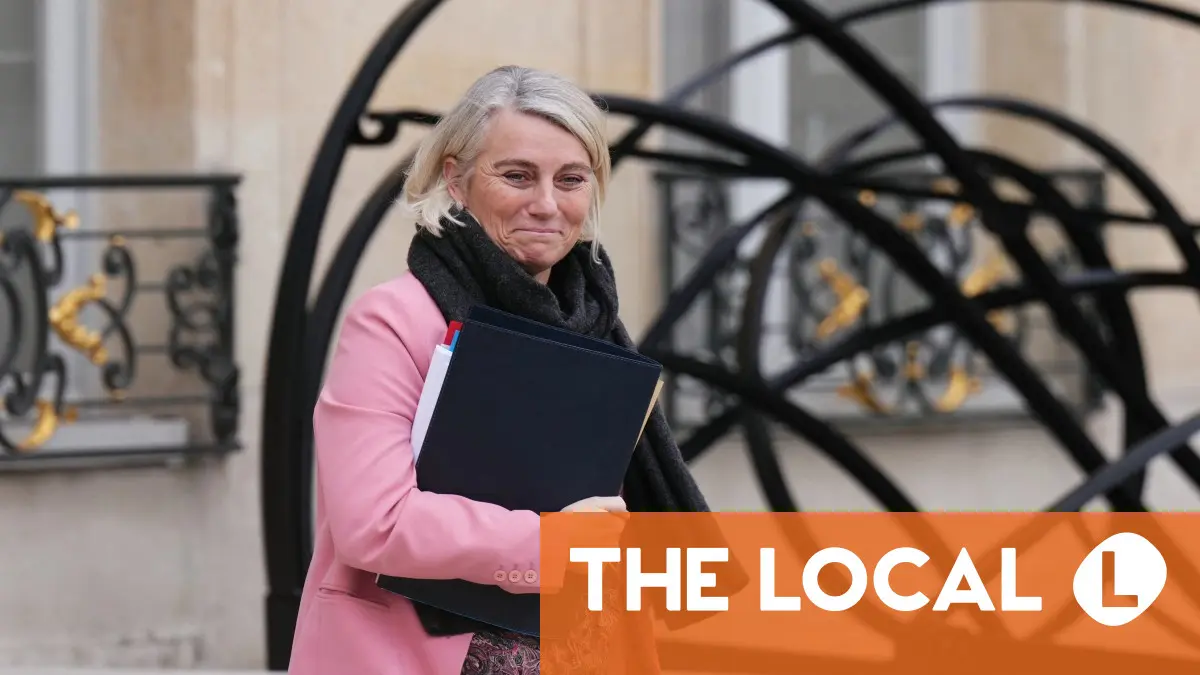
During Monday’s strategy launch, Health Minister Stéphanie Rist, who brings credibility to the initiative as a former practicing rheumatologist, emphasized the urgency of the situation. “When false information circulates faster than science, it is the most vulnerable who pay the highest price,” Rist stated, highlighting how misinformation disproportionately affects those already at health disadvantages.
“In the face of this, the State can neither remain silent nor be content to be simply reactive. That is why, today, we are changing our approach,” she continued, signaling a shift from reactive measures to proactive intervention.
The minister stressed that digital health misinformation has become deeply embedded in everyday life. “The phenomenon, far from being marginal, is rooted in our daily digital lives and calls for a systemic, cross-disciplinary and determined response,” Rist explained.
The campaign launch coincided with the publication of a scientific report commissioned by the government. Three experts concluded that medical misinformation constitutes a grave public health concern, primarily propagated by “influencers, campaign groups and rogue scientists.” The report identified key motivating factors behind health misinformation as “economic, ideological or identity-based.”
Central to the government’s strategy is the establishment of the “Observatoire de la désinformation en santé” (Health Misinformation Observatory). This new body will actively monitor online health misinformation, publish regular assessment barometers to improve public understanding of health issues, and coordinate specialized working groups.
The Observatory has begun building a network of experts, journalists, and content creators who will systematically analyze and grade health information published online, with particular attention to social media platforms where misinformation spreads rapidly. Notably, officials rejected a proposal to implement a “Health Info-Score” labeling system similar to France’s “Nutri Score” food labeling program, though the reasons for this decision weren’t specified.
To ensure public involvement in the initiative, authorities have announced the formation of a “citizen consultation” body comprising 27 members of the general public. This group is scheduled to commence its work by mid-February, potentially providing valuable perspective from information consumers rather than just experts.
This initiative comes amid growing global concern about the impact of health misinformation. During the COVID-19 pandemic, France and many other nations witnessed how rapidly false medical claims could spread, affecting vaccine uptake and adherence to public health measures. The World Health Organization has previously labeled the phenomenon an “infodemic,” acknowledging how misinformation can undermine evidence-based health responses.
The French approach represents one of the most structured governmental responses to this challenge in Europe, potentially establishing a model that other nations might follow as they grapple with similar issues in increasingly digital information ecosystems.
Fact Checker
Verify the accuracy of this article using The Disinformation Commission analysis and real-time sources.

5 Comments
While combating online medical misinformation is a formidable challenge, France’s multi-pronged approach targeting key vulnerable areas is commendable. Empowering the public with accurate health guidance is vital, especially for marginalized communities that may be disproportionately impacted.
This campaign by French health authorities to combat medical misinformation online is a welcome and much-needed initiative. Spreading false health guidance can have serious consequences, especially for vulnerable populations. It’s crucial that accurate, science-based information prevails during these challenging times.
Interesting to see France taking a proactive stance against online medical misinformation. As the Health Minister noted, the vulnerable often pay the highest price when false info spreads faster than science. This campaign could have far-reaching positive impacts if executed effectively.
Combating the rapid spread of health misinformation is a complex challenge, but France’s comprehensive approach seems prudent. Focusing on critical areas like vaccinations, cancer treatments, and women’s health is a smart strategy to target high-impact issues. This could serve as a model for other countries.
Misinformation can be incredibly damaging, especially when it comes to public health. I’m glad to see the French government taking this issue seriously and launching a concerted effort to counter it. Empowering people with reliable, science-based information is the best way to combat these dangerous falsehoods.