


Listen to the article
Florida Agriculture Commissioner Defends Farm Bill Against Critics, Cites Consumer and Farmer Protections
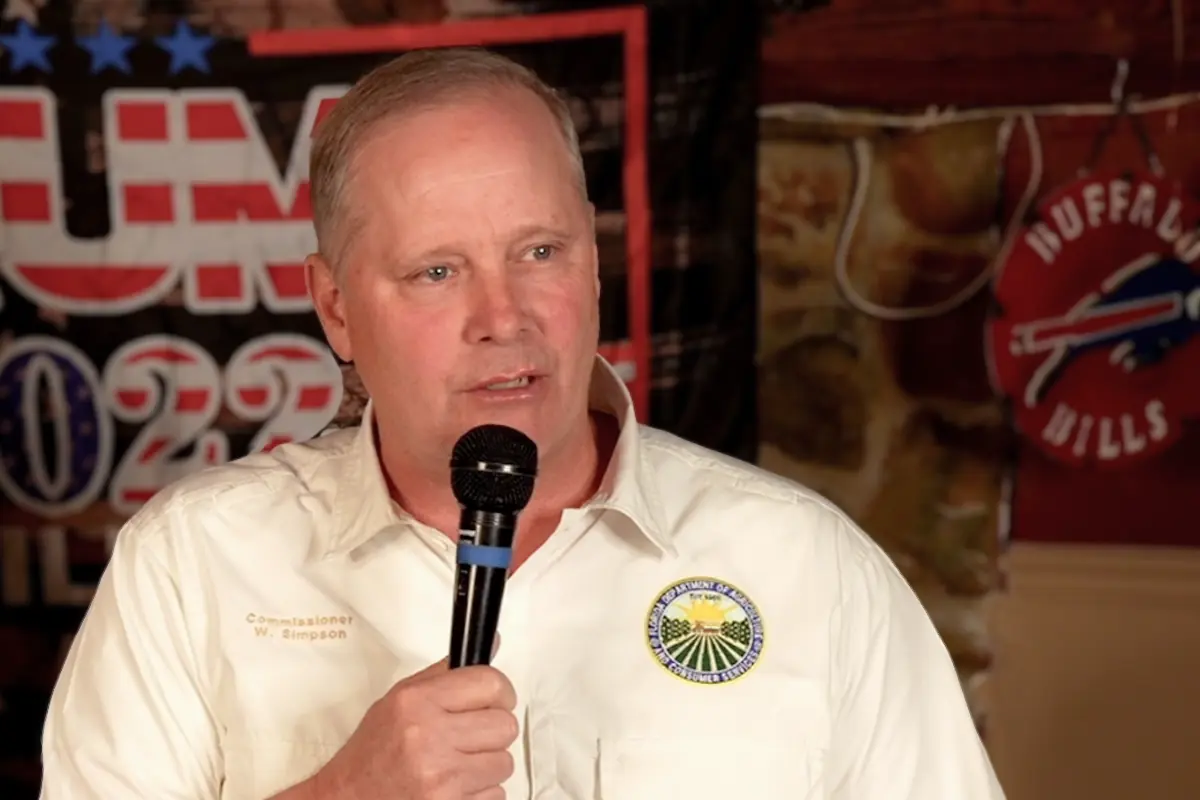
Florida Agriculture Commissioner Wilton Simpson strongly defended a proposed state farm bill on Thursday, dismissing what he characterized as misinformation campaigns aimed at undermining agricultural protections in the state.
Speaking on “Florida’s Voice Radio,” Simpson addressed growing concerns about the legislation, which was temporarily postponed in a Senate committee this week to allow for further adjustments. The bill is expected to move forward next week.
“You have a lot of misinformation going on,” Simpson said during the interview. “When you kill the Farm Bill, you are anti-farmer. You’re not pro-farmer. When you kill the Farm Bill, you’re anti-consumer, not pro-consumer.”
The proposed legislation would expand existing protections against disparagement that currently cover only perishable food products to include non-perishable agricultural goods as well. According to Simpson, this expansion would create a more balanced regulatory environment for Florida’s agricultural sector, which represents one of the state’s economic pillars.
Simpson specifically targeted environmental organizations, including Captains for Clean Water, accusing them of spreading falsehoods about the bill’s intentions and impacts. He claimed these groups were attempting to align themselves with the Make America Healthy Again movement while actually opposing its objectives.
“These same people are attacking farmers on a daily basis, and they wonder why farmers want to sell their land to developers,” Simpson remarked, suggesting that constant pressure from critics drives up food costs and encourages agricultural land conversion to residential and commercial development.
The commissioner highlighted his environmental credentials, noting his involvement in multiple conservation initiatives during his tenure as a state senator and Senate president. He pointed to billions in state investments over the past decade for major environmental projects, including Everglades restoration, the C-43 and C-44 reservoirs, blue-green algae task force operations, and septic-to-sewer conversion programs.
“President Trump’s done an amazing job at the federal level. And, by the way, Governor DeSantis has done an amazing job in the state of Florida, leading on these issues,” Simpson said, aligning his policy objectives with both state and national Republican leadership.
The farm bill debate unfolds against a backdrop of increasing tensions between agricultural interests and environmental advocates in Florida, a state where both tourism and agriculture represent crucial economic sectors. Florida’s agricultural industry, valued at over $150 billion annually, faces mounting challenges from climate change, water management issues, and development pressure on farmland.
Simpson also emphasized his efforts to update the state’s Right to Farm laws and ban the spreading of raw sludge on farmland as components of this year’s legislative package. These measures, he argued, align with broader health-focused initiatives and environmental protection goals.
The temporary postponement of the bill in committee signals the complex balancing act legislators face in crafting agricultural policy that satisfies multiple stakeholders. Industry representatives support the expanded protections, arguing they prevent unfounded attacks that damage producer reputation and market value. Critics, however, raise concerns about potential limitations on free speech and public health discussions related to agricultural practices.
As Florida’s agricultural landscape continues to evolve amid environmental challenges and development pressures, the outcome of this legislative battle may set important precedents for how the state balances agricultural production, environmental protection, and public health concerns in the coming years.
The bill is expected to face further debate when it returns to committee next week, with supporters and opponents preparing for what could be a contentious discussion about the future of Florida’s agricultural policy framework.
Fact Checker
Verify the accuracy of this article using The Disinformation Commission analysis and real-time sources.

12 Comments
The commissioner’s comments about being ‘anti-farmer’ or ‘anti-consumer’ if the bill is killed seem a bit polarizing. I hope the debate can stay focused on the merits and potential impacts of the specific proposals.
Agreed, inflammatory rhetoric is rarely helpful in these types of policy discussions. A more measured, fact-based approach would likely lead to a better outcome for all.
The commissioner’s claims about ‘misinformation’ are concerning. I hope there is a transparent, evidence-based debate around the real-world impacts of this legislation, both positive and negative.
Agreed, accusations of ‘misinformation’ can sometimes be used to dismiss legitimate concerns. An open and thoughtful dialogue, grounded in facts, would be the best path forward.
This debate highlights the complexities surrounding agricultural policies and the need to balance various interests. I’m curious to learn more about the specific provisions in the bill and how they would impact different stakeholders.
Absolutely, transparency and public input will be key as this legislation moves forward. It’s important to hear from a range of voices to ensure a fair and effective outcome.
Interesting to see the Florida Agriculture Commissioner defending the proposed farm bill. Protecting farmers and consumers from misinformation seems like a reasonable goal, though the details will be important.
Agreed, the expansion of disparagement protections to non-perishable goods could help balance the regulatory environment. But it’s crucial to ensure these measures don’t stifle legitimate public discourse.
Protecting Florida’s agricultural sector is important, but the details matter. I’ll be interested to see how this bill evolves and what kind of feedback and amendments come up during the legislative process.
Definitely. Given the economic significance of agriculture in Florida, getting the right balance of protections and industry oversight will be crucial. Looking forward to seeing how this plays out.
It’s good to see the commissioner defending the interests of farmers and consumers, but I share the concerns about the potential for overreach or unintended consequences. Nuance and balance will be key.
Absolutely. Any new agricultural regulations need to be carefully crafted to address real problems without creating new ones. I hope the legislative process allows for robust debate and input from diverse stakeholders.