


Listen to the article
Edinburgh Incident Sparks Global Wave of Misinformation as Facts Become Casualties
A non-fatal stabbing in Edinburgh’s Calders neighborhood has unexpectedly thrust the Scottish capital into the international spotlight this week, not for the severity of the crime itself, but for the extraordinary wave of misinformation that followed.
What began as a serious but relatively routine violent disturbance quickly morphed into something far more insidious as false claims about the incident spread across social media platforms, eventually catching the attention of X owner Elon Musk and other high-profile figures who amplified unfounded allegations.
“The need for trustworthy, fact-checked journalism has never been clearer,” noted The Inquirer, which has been tracking how the incident was distorted and manipulated to spread racial hatred across various platforms.
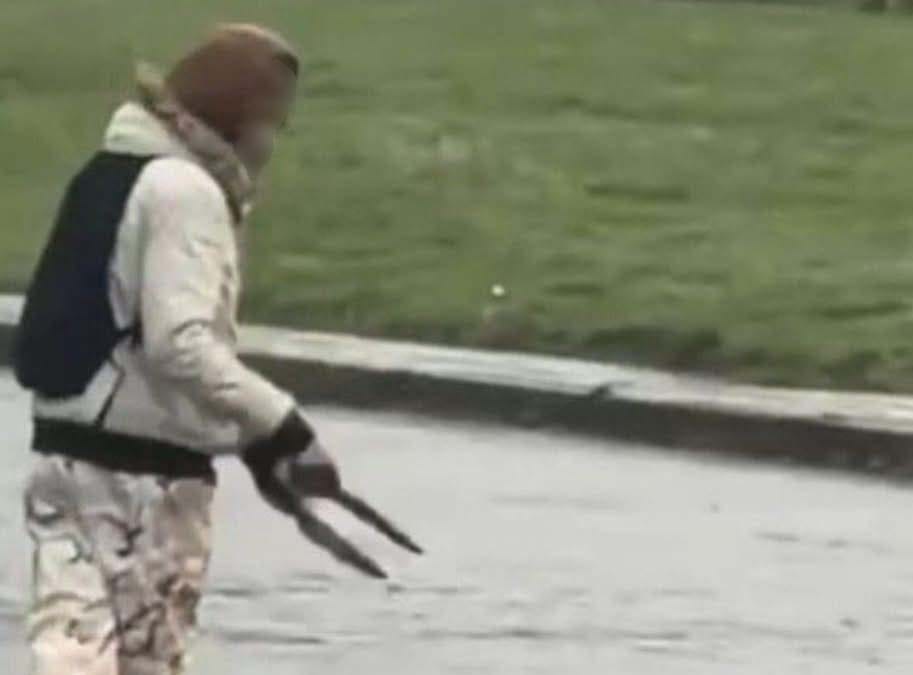
Police reports confirm that a 23-year-old man, Mustafa Kokoneh, has been arrested following Monday’s disturbance where a man was seen carrying two knives in the streets. One man was stabbed and a woman suffered a head injury not believed to have been caused by a knife. The arrest came after a several-hour standoff between police and a suspect in a ninth-floor flat.
Kokoneh appeared at Edinburgh Sheriff Court on charges including two counts of attempted murder. He made no plea and was remanded in custody.
Yet as authorities were still gathering facts, social media was already awash with sensationalized accounts designed to generate clicks and outrage. These fabrications spread rapidly, gaining international attention through algorithmic amplification that prioritizes engagement over accuracy.
“A lie can travel half-way around the world while truth is still putting its boots on,” noted investigative journalist David Forsyth, who has been documenting how the incident was exploited. “This week, Edinburgh has found itself front and center in the eyes of a perfect storm of misinformation and disinformation.”
The incident highlights the distinction between misinformation (inaccurate content) and disinformation (deliberately false content intended to cause confusion or distress), both of which figured prominently in this case.
Perhaps most concerning was how some national newspapers repeated unfounded sensational claims, lending credibility to falsehoods that had originated on social media. This crossover between unverified social media content and traditional media reporting represents a growing challenge for information integrity.
The situation serves as a stark reminder of how easily isolated incidents can be weaponized to advance broader agendas in today’s information ecosystem, particularly when racial or cultural elements can be exploited.
While the investigation into the actual crime continues through proper legal channels, the parallel story of how the incident was misrepresented offers a troubling case study in contemporary media manipulation and the speed at which falsehoods can overshadow facts.
Edinburgh, meanwhile, continues its cultural calendar undeterred. The Cameo Picturehouse was recently named one of the world’s 100 best cinemas by Time Out magazine, joining Glasgow Film Theatre and Cromarty Community Cinema in representing Scotland on the prestigious list.
The city’s vibrant arts scene is moving ahead with notable productions, including the world premiere of “One Day” at the Royal Lyceum Theatre, based on David Nicholls’ best-selling novel, and a slate of performances spanning comedy to Greek tragedy across venues like the Traverse Theatre, The Stand, and the Festival Theatre’s Studio.
As Edinburgh recovers from its unexpected role in the global misinformation ecosystem, the incident serves as a powerful reminder that in an age of instant communication, the verification of facts remains an essential but increasingly challenging cornerstone of responsible citizenship and media consumption.
Fact Checker
Verify the accuracy of this article using The Disinformation Commission analysis and real-time sources.

5 Comments
I appreciate the media’s focus on highlighting the need for responsible, fact-based journalism in these situations. With tensions running high, it’s crucial that information is verified before being amplified.
Well said. Jumping to conclusions without all the details can do real harm. Responsible reporting that sticks to the known facts is the best way to inform the public.
Concerning to see misinformation spreading so quickly around this incident. As always, it’s important to rely on official police reports and reputable news sources for accurate information, not unverified social media claims.
Exactly, rumors and speculation often outpace the facts, especially on social media. Let’s hope the authorities can provide clarity and stop the spread of false narratives.
It’s concerning to see such a serious incident being exploited for misinformation and political agendas. The priority should be supporting the victims and allowing the investigation to proceed properly.