


Listen to the article
Concerns Mount Over Security Measures as Nepal’s Elections Approach
Nepal’s main opposition party, the Communist Party of Nepal-Unified Marxist Leninist (CPN-UML), has voiced serious concerns that security measures implemented in certain regions could create an atmosphere of fear among voters as the country prepares for upcoming elections.
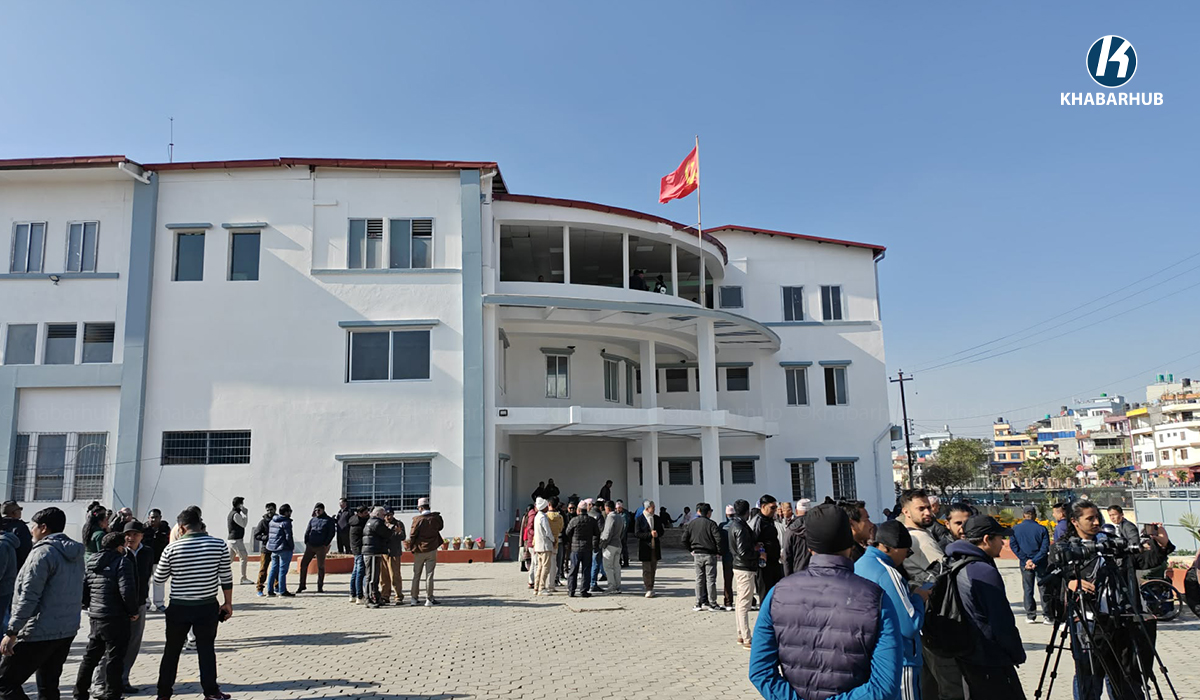
Speaking at a press conference held Tuesday at the party’s headquarters in Chyasal, Kathmandu, UML officials cautioned that while curfews and prohibitory orders in parts of the Tarai-Madhesh region may be intended to enhance security, these measures risk suppressing voter turnout and potentially infringing upon citizens’ constitutional rights.
Min Bahadur Shahi, the UML’s chief election press coordinator, emphasized the critical importance of maintaining a secure environment that allows citizens to exercise their democratic rights without intimidation. “Voters must feel safe to participate in the electoral process,” Shahi stated. “The imposition of curfews, while sometimes necessary for maintaining order, should not come at the expense of citizens’ ability to freely cast their ballots.”
The Tarai-Madhesh region, which stretches along Nepal’s southern border with India, has historically been a politically sensitive area where electoral tensions can run high. The current security measures reflect ongoing concerns about potential unrest, but the UML argues these precautions must be balanced against democratic participation.
Amid swirling rumors of a potential election postponement, the UML took a firm stance that voting must proceed as scheduled. Political analysts suggest that any delay could further destabilize Nepal’s already fragile democratic institutions, which have weathered numerous challenges since the country’s transition to a federal democratic republic in 2008.
The party also raised significant concerns regarding opinion polls being conducted ahead of the elections. UML officials warned that selectively published polling data could manipulate voter psychology and potentially skew election results. This criticism reflects broader regional concerns about the reliability and potential influence of pre-election polling, particularly in countries with evolving democratic traditions.
In addition to concerns about polling, the UML highlighted the proliferation of misinformation as a major threat to electoral integrity. Party representatives condemned what they described as “malicious propaganda and fabricated content” circulating on social media platforms and in some news outlets, suggesting these campaigns could damage social harmony and exacerbate political divisions throughout the country.
“False information specifically designed to influence voters is particularly dangerous in our current political climate,” said Shahi. “We need responsible reporting and transparent communication from all stakeholders to ensure a fair electoral process.”
Nepal’s election commission and security agencies have yet to respond directly to the UML’s concerns. However, government officials have previously stated that all security measures are designed to protect voters and ensure orderly elections, not to suppress participation.
Political observers note that Nepal’s electoral landscape remains complex, with numerous parties vying for influence in the multi-party system. The UML, which has previously held power and remains a major political force, has positioned itself as a defender of democratic norms while criticizing the current administration’s approach to election security.
As election day approaches, international observers are closely monitoring developments in Nepal, where democratic institutions continue to evolve following decades of political transformation. The ability to conduct free, fair, and peaceful elections will be a significant test for the country’s democratic resilience.
The government now faces the delicate task of balancing legitimate security concerns with the need to create an environment where all eligible citizens feel safe and empowered to participate in the democratic process.
Fact Checker
Verify the accuracy of this article using The Disinformation Commission analysis and real-time sources.

7 Comments
Voter turnout and participation are key indicators of a healthy democracy. I hope the authorities in Nepal can work to address security concerns while still preserving the integrity and openness of the electoral process.
It’s encouraging to see the opposition party speaking up about these issues. A robust democratic discourse, where all voices are heard, is vital for Nepal’s future.
Striking the right balance between security and voter rights is a delicate challenge. I hope Nepal’s leaders can find an approach that protects citizens while also safeguarding their fundamental democratic freedoms.
The concerns raised by the CPN-UML party about potential voter intimidation are valid and worth investigating. Upholding democratic principles should be the top priority as Nepal prepares for these important elections.
It’s concerning to hear about potential voter suppression measures ahead of Nepal’s elections. Ensuring a secure yet open electoral process is crucial for democracy. I hope the authorities can find a balance that protects voters without unduly restricting their rights.
Curfews and prohibitory orders can be necessary for security, but they should not come at the expense of citizens’ ability to freely exercise their democratic rights. Maintaining an environment where everyone feels safe to vote is paramount.
Misinformation can be a serious threat to the fairness and integrity of elections. Ensuring accurate, unbiased information reaches all voters is crucial for a healthy democratic process.