


Listen to the article
BJP Accuses Congress of Misrepresenting Epstein Files in Attack on Prime Minister Modi
The Bhartiya Janata Party (BJP) has launched a strong defense against the Congress party, accusing it of deliberately manipulating content from Jeffrey Epstein’s investigative files to falsely implicate Prime Minister Narendra Modi. BJP officials claim the opposition party edited email fragments to create a misleading narrative suggesting a connection between Modi and the convicted sex trafficker.
The controversy erupted after Congress shared a social media post containing what it claimed was evidence from recently released U.S. Department of Justice files relating to Epstein. The post suggested Modi had sought Epstein’s advice before a diplomatic visit to Israel in 2017.
BJP national spokesperson Sambit Patra condemned the Congress’s allegations as fraudulent. “The Congress added the words ‘his advice’ in Jeffrey Epstein’s email by editing it to portray as if Prime Minister Modi took some advice from him. These words were not in the original email,” Patra stated during a press conference. He warned that such “fabrications” would have consequences and predicted voters would deliver a “befitting reply” to Congress.
Amit Malviya, head of the BJP’s IT department, provided a detailed rebuttal on social media, calling the Congress claims “fake news” and a “gross distortion of facts.” According to Malviya, the documents released by the U.S. House Oversight Committee contain no evidence of any interaction between Modi and Epstein, nor any indication that Modi sought or received advice from the disgraced financier.
“Verified records contain no reference to Epstein’s ‘advice,’ no mention of dancing or singing, and no statement claiming ‘IT WORKED!'” Malviya emphasized. He characterized Epstein as a “habitual name-dropper who exaggerated connections to project influence” and accused Congress of twisting “a generic email fragment into a political smear.”
The Ministry of External Affairs (MEA) has officially rejected the reference to Prime Minister Modi in the Epstein files. In a statement, MEA spokesperson Randhir Jaiswal dismissed the content as “little more than trashy ruminations by a convicted criminal” that deserves to be treated with “utmost contempt.”
“We have seen reports of an email message from the so-called Epstein files that has a reference to the prime minister and his visit to Israel,” Jaiswal acknowledged, before firmly rejecting its validity.
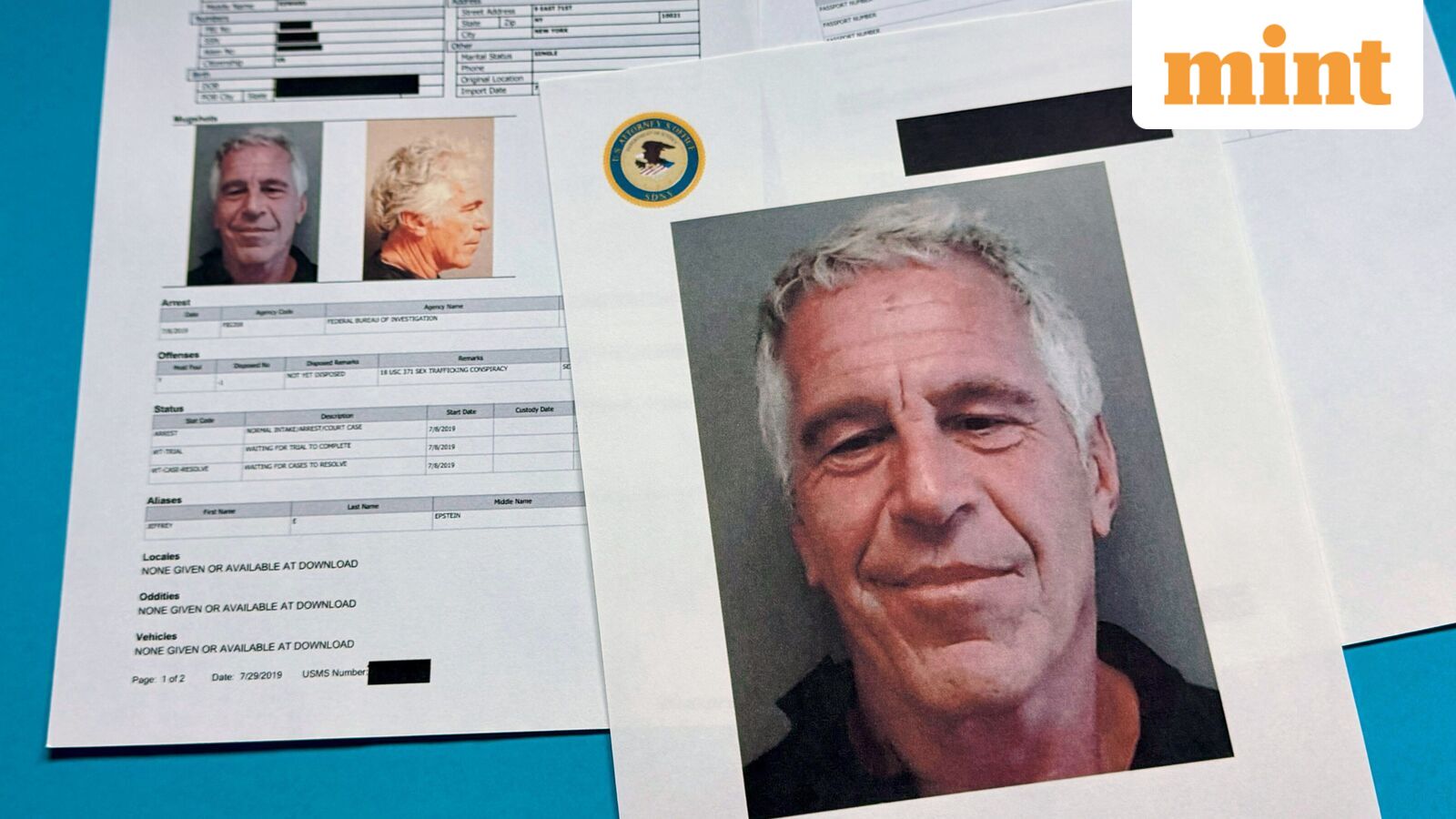
The diplomatic incident comes amid heightened scrutiny of the Epstein files globally, which have implicated numerous high-profile individuals worldwide. Epstein, who died in prison in 2019, had connections to many powerful figures in politics, business, and entertainment.
Meanwhile, Congress leaders continue to press the issue. Pawan Khera posted on X (formerly Twitter) that it was a “matter of national shame” that Epstein had claimed influence over the Prime Minister. Congress general secretary Jairam Ramesh called the situation “scandalous” and criticized Modi’s silence on the matter.
Modi’s 2017 visit to Israel was historically significant as the first by an Indian Prime Minister to the country since diplomatic relations were established in 1992. The trip focused primarily on defense collaboration, technology partnerships, and trade agreements.
The controversy highlights the increasingly contentious political environment in India, where social media has become a battleground for narrative control between the ruling BJP and opposition parties. With elections in several states approaching, political analysts expect such exchanges to intensify in the coming months.
International relations experts note that name-dropping by figures like Epstein is common practice to inflate their perceived influence and connections, making verification of such claims particularly important before drawing conclusions about alleged relationships with world leaders.
Fact Checker
Verify the accuracy of this article using The Disinformation Commission analysis and real-time sources.

7 Comments
This seems like a political dispute that could benefit from more transparency and less heated rhetoric. I’m curious to see the original evidence and hear balanced analysis from credible sources. Maintaining objectivity is important in these situations.
This seems like a political dispute over how to interpret certain evidence. Without seeing the original emails, it’s hard to know the full context. I hope both sides can engage in good faith and present the facts clearly.
Accusations of ‘misinformation’ and ‘fabrications’ are serious claims. I’d like to see the primary sources to understand the details and form my own opinion on this matter. Responsible reporting and transparency are important in these situations.
I agree, more transparency around the source materials would help the public evaluate the competing claims. Knee-jerk reactions from either side are unlikely to resolve this issue constructively.
Accusations of ‘misinformation’ and ‘fabrications’ are serious claims that require careful examination of the facts. I hope both sides can present their evidence clearly and without exaggeration, so the public can reach their own conclusions.
This seems like a partisan battle over political optics rather than substantive issues. I hope both parties can focus on facts and avoid exaggeration or misrepresentation, so voters can make informed decisions.
Allegations of improper connections between politicians and controversial figures are sensitive topics. I’d encourage relying on authoritative, well-sourced reporting to understand the nuances, rather than jumping to conclusions based on partial information.