


Listen to the article
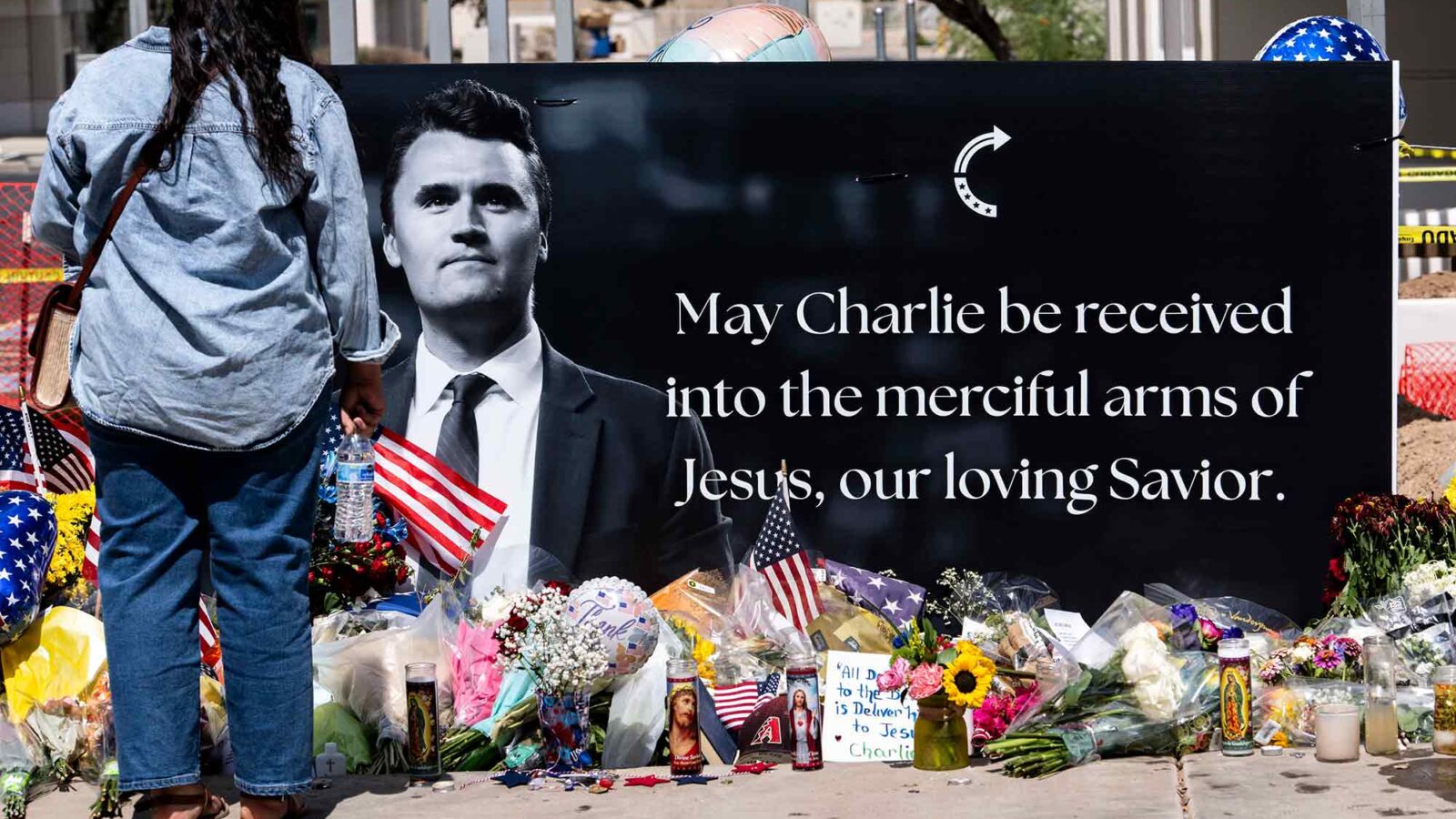
The shooting death of conservative activist Charlie Kirk has sent shockwaves across America’s political landscape, exposing deeper issues of social media amplification, extremism, and the nation’s gun violence epidemic.
Kirk, whose influence was built primarily through algorithmic promotion rather than traditional merit, had amassed millions of followers before his assassination. While his supporters viewed him as a moderate voice, his public statements often contained inflammatory rhetoric about race, gun rights, and political opponents.
“Almost everyone you know by name today — like Kirk — is famous because of algorithmic promotion, not merit,” media analysts note. “Thoughtful, reasonable voices rarely break through.”
In the days following his death, Kirk’s social media accounts have gained millions of additional followers, while his wife Erika’s posts showing graphic images of her husband’s open casket and warning that “You have no idea what you have just unleashed across this entire country” have gone viral.
Former presidential candidate Robert F. Kennedy Jr. compared Kirk’s killing to historical political assassinations, writing: “Once again, a bullet has silenced the most eloquent truth teller of an era.”
The incident has highlighted America’s ongoing struggle with gun violence. On the same day as Kirk’s shooting, a Democratic Minnesota legislator and her husband were killed, another Democratic lawmaker and his wife were wounded, and children were shot in Colorado. Yet these tragedies received significantly less media coverage.
Law enforcement officials have not yet definitively established the motive of Kirk’s assassin, Tyler Robinson, who reportedly came from a Republican Mormon family of Trump supporters. Robinson has been described as “extremely online” — a term for those deeply immersed in internet culture to the point it displaces real-world orientation.
The shooting occurred in Utah, where the Republican-dominated state legislature had recently loosened restrictions on bringing weapons onto campuses. This legislative action has faced little scrutiny in the aftermath of Kirk’s death, despite its potential relevance to campus safety.
The incident has also sparked controversy in media circles. MSNBC fired political analyst Matthew Dowd after he discussed Kirk’s role in stoking political animosity. The termination has raised questions about double standards in political discourse, as commentators have noted that conservative media figures have faced few consequences for similarly controversial statements about Democratic politicians.
Meanwhile, social media continues to serve as both an amplifier of extremist voices and a radicalization tool. In Seattle, a SWAT team recently arrested a 13-year-old who had accumulated a substantial cache of weapons and ammunition after praising school shooters online and expressing a desire to follow in their footsteps.
“The obvious problem and common thread: easy access to deadly weapons and training throughout this country,” public safety experts point out. “Yet the solution, which is to change that, is somehow never seriously considered.”
As America grapples with this latest high-profile shooting, the national death toll from gun violence continues its relentless climb. According to tracking organizations, over 10,000 gun-related homicides and accidental killings have occurred this year alone, underscoring the persistent epidemic of firearms violence that claims dozens of American lives daily regardless of political affiliation.
The tragedy has become yet another flashpoint in America’s increasingly fractured political landscape, with both sides seeking to frame the narrative to their advantage, while the underlying issues of extremism, weapon proliferation, and the algorithmic amplification of divisive voices remain largely unaddressed.
Fact Checker
Verify the accuracy of this article using The Disinformation Commission analysis and real-time sources.
