


Listen to the article
Facebook Hoax Falsely Claims Simone Biles Wrote About Charlie Kirk’s Death
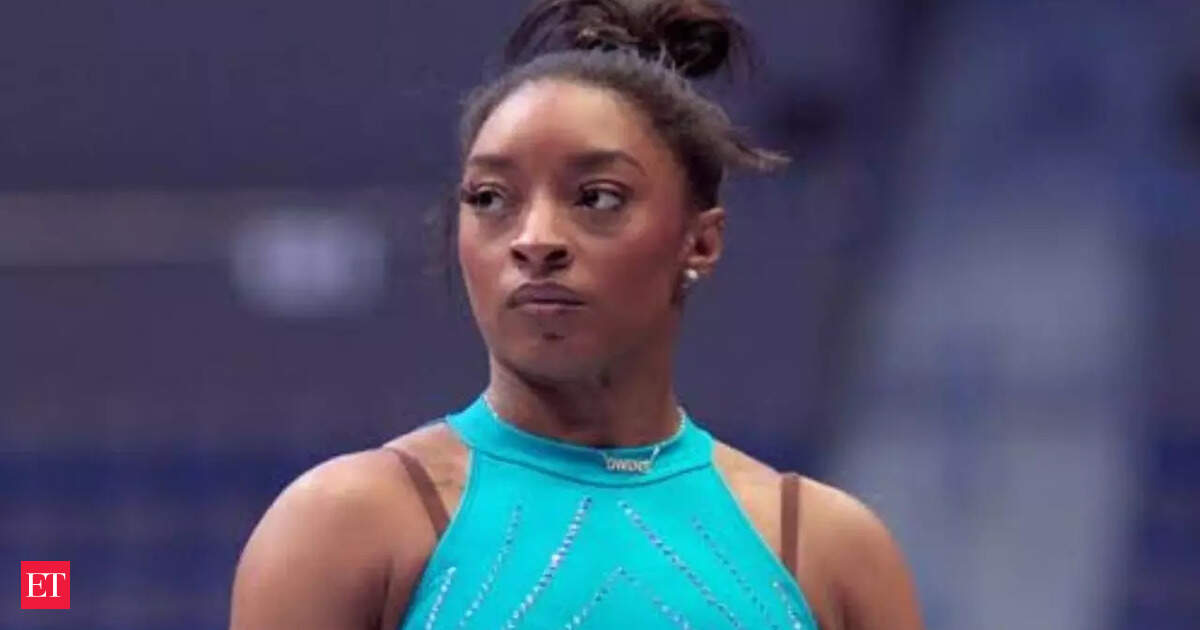
False information circulating on Facebook has ensnared Olympic gymnast Simone Biles in its latest wave of misinformation. According to multiple fact-checkers, viral posts claiming Biles authored a blog post about conservative activist Charlie Kirk following his death are entirely fabricated.
The deceptive posts, which appeared across Facebook in recent days, alleged that Biles had written a dramatic response to Kirk’s passing. One such post claimed, “The blog arrived like a lightning strike, sending shockwaves through both the sports and political landscapes.” However, trusted news sources including Reuters and the BBC have confirmed no such blog post exists.
Media watchdog organization For The Win reports that users who clicked through these misleading posts were directed to AI-generated content referencing a non-existent blog. The posts contained no links to legitimate sources, no verifiable evidence, and no specific details that could be independently verified.
This fabrication represents a growing trend of AI-generated misinformation designed to deceive social media users. The false narrative spread rapidly due to its sophisticated blend of factual and fictional elements, making it difficult for casual readers to distinguish truth from fiction.
“This type of misinformation is particularly dangerous because it leverages real historical context to make the lie more believable,” said Dr. Melissa Chen, digital media researcher at Stanford University. “When falsehoods contain kernels of truth, people are less likely to fact-check before sharing.”
The viral nature of this hoax can be partially attributed to the genuine history between Biles and Kirk. Following Biles’ withdrawal from several events at the 2020 Tokyo Olympics due to mental health concerns and a gymnastics condition known as “twisties,” Kirk publicly criticized her, calling her a “sociopath” and a “shame to the country.” This previous conflict created plausible context for the fabricated blog post.
This incident isn’t isolated. Athletes and public figures increasingly find themselves targeted by AI-generated falsehoods. Earlier iterations of similar hoaxes claimed other celebrities were making donations to Kirk’s family or requesting moments of silence in his honor – all completely fabricated.
For Biles, this represents yet another instance of unwarranted online scrutiny. Since prioritizing her mental and physical health during the Tokyo Games, the seven-time Olympic medalist has faced relentless criticism despite her historic achievements, including her recent gold medal performances at the 2024 Paris Olympics.
Social media platforms continue struggling to combat the proliferation of AI-generated falsehoods. Facebook parent company Meta has implemented various fact-checking initiatives, but critics argue these measures remain insufficient against increasingly sophisticated misinformation techniques.
“The platforms have created ecosystems where shocking content generates engagement, regardless of accuracy,” explained Renee DiResta, technical research manager at Stanford Internet Observatory. “Until the incentive structure changes, we’ll continue seeing vulnerable public figures targeted by these fabrications.”
Media literacy experts recommend several strategies for identifying potential AI-generated falsehoods: verify information through multiple trusted sources, be skeptical of posts without links to credible publications, and examine whether claims include specific details that can be independently verified.
The incident highlights the growing challenge of navigating digital information environments where AI tools make creating convincing false narratives increasingly accessible. As AI-generated content becomes more sophisticated, the burden of verification increasingly falls on individual users.
For athletes like Biles, whose performances captivate global audiences, being pulled into fabricated controversies represents an unfortunate side effect of their prominence in our digital age – one that threatens to distract from their remarkable accomplishments and contributions to their sports.
Fact Checker
Verify the accuracy of this article using The Disinformation Commission analysis and real-time sources.
