


Listen to the article
Malaysian authorities have launched an investigation into an individual suspected of spreading false information about Malaysia’s alleged fuel supply to the Philippines, as part of a broader effort to combat misinformation related to the global energy crisis.
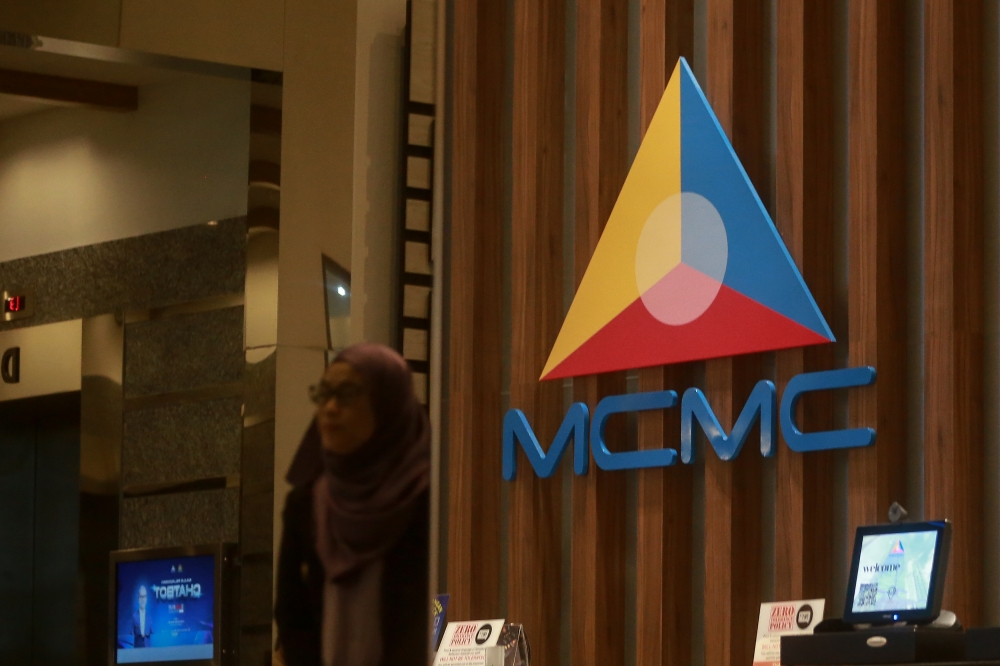
The Malaysian Communications and Multimedia Commission (MCMC) confirmed in a statement released Monday that it had recorded a statement from the suspect and seized a communication device believed to have been used to upload the misleading content.
The false claim suggested that Malaysia had supplied 329,000 barrels of diesel to the Philippines. However, authorities have verified that the diesel shipment in question actually belongs to Vitol, a private trading company, and is not owned by Petronas or the Malaysian government.
This case highlights growing concerns about the spread of misinformation during periods of global energy volatility. Vitol, one of the world’s largest independent energy traders, regularly transports petroleum products throughout the Asia-Pacific region as part of its normal commercial operations.
“As of April 14, a total of 47 investigation papers have been opened involving the spread of false news regarding the global energy crisis on social media and digital media platforms, following the conflict in West Asia,” the MCMC stated.
The commission provided examples of other false claims that have circulated recently, including exaggerated fuel price increases, fabricated electricity tariff hikes, and allegations that Malaysian vessels were paying tolls to Iran in the Strait of Hormuz. Another debunked claim suggested that BUDI95 subsidies—part of Malaysia’s fuel subsidy program—were being extended to Singaporeans.
The investigation is being conducted under Section 233 of the Communications and Multimedia Act 1998, which addresses improper use of network facilities or services. If convicted, offenders face serious penalties including a maximum fine of RM500,000 (approximately $118,000 USD), imprisonment for up to two years, or both.
Energy sector analysts note that misinformation about fuel supplies can have far-reaching consequences, potentially causing market volatility, consumer panic, or diplomatic tensions between countries. Malaysia, as a significant energy producer in Southeast Asia, is particularly sensitive to such false narratives.
The MCMC emphasized that it “takes any misuse of digital platforms seriously” and will take stern action against parties found spreading false information that could mislead the public.
This case emerges against the backdrop of ongoing conflicts in West Asia that have raised global concerns about potential disruptions to energy supplies. The Strait of Hormuz, mentioned in one of the false claims, is a critical shipping route for approximately 20% of the world’s oil supply, making it a frequent subject of concern during regional tensions.
Malaysia’s proactive approach to combating misinformation reflects a growing trend among governments worldwide to address the rapid spread of false information through digital channels, particularly on topics that could affect economic stability or national security.
Digital literacy experts suggest that the proliferation of such misinformation underscores the importance of critical media consumption and fact-checking, particularly during times of global crisis when accurate information is essential for proper decision-making by both policymakers and the public.
The MCMC did not specify when charges might be filed against the individual under investigation, noting only that all cases remain “under further investigation.”
Fact Checker
Verify the accuracy of this article using The Disinformation Commission analysis and real-time sources.

8 Comments
This is an important case highlighting the dangers of misinformation during energy crises. Spreading false claims about fuel shipments could cause unnecessary panic and confusion. I’m glad Malaysian authorities are taking action to investigate the source of these misleading reports.
It’s crucial that the public has access to accurate, fact-based information, especially on sensitive topics like energy supply and trade. I hope this investigation leads to the identification and punishment of those responsible for the disinformation.
Fake news about energy shipments is a serious issue that can have real-world consequences. I’m glad to see Malaysian authorities taking this matter seriously and moving swiftly to investigate the source of these misleading reports.
It’s crucial that the public has access to accurate, verified information about energy supply and trade, particularly during times of global volatility. Spreading disinformation can erode public trust and cause unnecessary panic.
This case is a reminder of the need for greater media literacy and critical thinking skills when it comes to online information, especially around sensitive topics like energy and geopolitics. Fact-checking and verifying sources should be a priority.
This case highlights the importance of having robust fact-checking and verification processes to quickly identify and debunk false claims, especially those that could impact critical infrastructure and international trade. I hope the investigation leads to accountability for those responsible.
As global energy markets remain volatile, it’s worrying to see bad actors trying to capitalize on the situation by spreading falsehoods. I’m curious to learn more about the individual questioned in this case and their motivations for circulating this fake news.
Combating the spread of misinformation should be a top priority for authorities. Maintaining public trust in reliable energy data and supply chains is crucial during turbulent times.