


Listen to the article
In the wake of the Bondi Beach Hanukkah attack, social media platforms have become breeding grounds for conspiracy theories claiming Israel orchestrated the incident as a “false flag” operation, despite mounting evidence to the contrary.
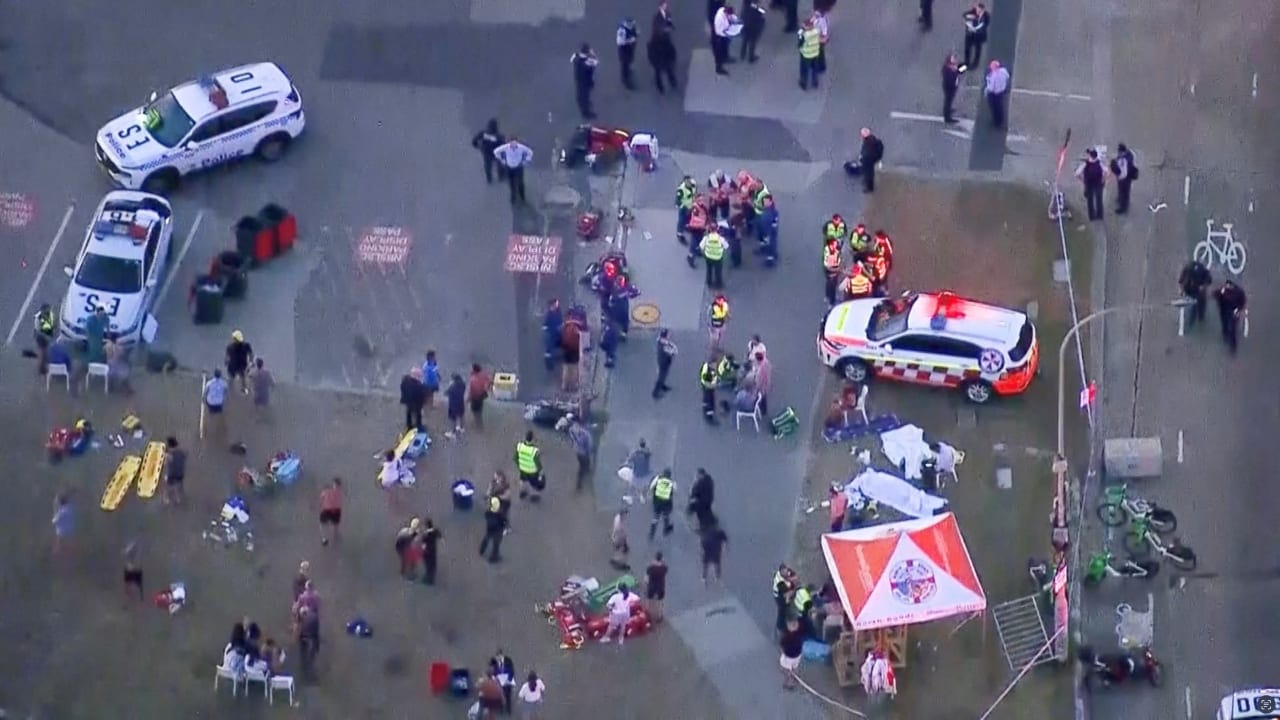
Australian authorities have confirmed the attack, which claimed 16 lives at a popular Sydney beach destination, bears all the hallmarks of a terrorist attack. However, this hasn’t stopped a wave of misinformation from spreading online, particularly on platforms like X (formerly Twitter) and Telegram, where conspiracy narratives often flourish during crises.
“We’re seeing a disturbing pattern of antisemitic conspiracy theories emerge within hours of the attack,” said Dr. Rachel Cohen, a disinformation researcher at the University of Sydney. “These false narratives are being amplified by both fringe accounts and some with significant followings, creating an echo chamber effect that can be difficult to counter with facts.”
The conspiracy theories typically follow a familiar template: claiming the attack was staged to generate sympathy for Israel or distract from other geopolitical events. Some posts have gone so far as to suggest, without evidence, that victims were “actors” or that security footage was manipulated.
Law enforcement officials have expressed frustration at how quickly these baseless claims have spread. “This is not only deeply disrespectful to the victims and their families, but actively hampers our investigation by spreading confusion,” said New South Wales Police Commissioner Mark Williams at a press conference yesterday.
The Australian Security Intelligence Organisation (ASIO) has confirmed they are monitoring the spread of these conspiracy theories, which they describe as potentially radicalizing and harmful to community cohesion.
Social media platforms have implemented varying degrees of content moderation in response. Meta, parent company of Facebook and Instagram, reports removing thousands of posts promoting conspiracy theories about the attack, while X has faced criticism for a more hands-off approach that critics say has allowed harmful content to proliferate.
The Jewish Community Council of Australia has expressed alarm at the surge in online antisemitism following the attack. “These conspiracy theories don’t exist in a vacuum—they translate to real-world harassment and fear for Jewish Australians,” said David Goldstein, the council’s spokesperson.
Experts point to a broader context of rising antisemitism worldwide that provides fertile ground for such conspiracies. Since October 2023, antisemitic incidents have increased substantially across multiple countries, according to monitoring groups.
Digital literacy advocates emphasize the importance of verifying information sources during breaking news events. “In the immediate aftermath of a tragedy, there’s often an information vacuum that bad actors exploit,” explained Melissa Tan from Digital Media Watch. “We encourage people to rely on established news sources and official statements rather than anonymous social media accounts.”
The Australian government has announced plans to convene a task force on combating online extremism and hate speech, with Prime Minister Anthony Albanese noting that “the digital spread of antisemitism represents a growing threat to our multicultural society.”
Meanwhile, the investigation into the attack continues, with authorities focusing on gathering evidence and establishing the perpetrator’s motives rather than responding to baseless online speculation.
For the families of victims, the conspiracy theories represent an additional layer of trauma. “To lose a loved one in such horrific circumstances and then see people claiming it never happened—it’s unbearable,” said one family member who requested anonymity.
As Australia mourns the victims of this tragedy, the battle against misinformation remains a sobering reminder of how digital platforms can both connect communities in grief and, simultaneously, divide them through the spread of harmful conspiracy theories.
Fact Checker
Verify the accuracy of this article using The Disinformation Commission analysis and real-time sources.

20 Comments
Antisemitic conspiracy theories emerging in the wake of this attack are deeply concerning. We need to remain vigilant against the spread of disinformation, especially during crises.
Well said. Amplifying false narratives can have serious consequences, both for the victims and for public discourse. Sticking to the facts is the responsible path forward.
This incident is tragic enough without the added complication of baseless conspiracy theories. We should focus on supporting the victims and their families, not fueling more division.
Well put. Spreading misinformation in the wake of a tragedy is unethical and can undermine the ability to have a meaningful, fact-based discussion.
The spread of misinformation following this attack is disappointing. We need to do more to promote reliable information and counter false narratives, especially during difficult times.
Well put. Allowing conspiracy theories to flourish can have serious consequences, so it’s important that we all work to ensure the public has access to accurate, fact-based information.
Disturbing to see such baseless conspiracy theories spreading after this tragic attack. We should focus on facts and avoid fueling disinformation that can cause real harm.
Agreed. Spreading unsubstantiated claims during a crisis is irresponsible and can distract from the real issues at hand.
It’s concerning how quickly misinformation can take hold online, especially around sensitive events like this. Authorities need to be vigilant in combating false narratives with facts.
Absolutely. Countering disinformation requires a coordinated effort from government, media, and the public to ensure accurate information reaches people.
The rapid spread of conspiracy theories following this attack is deeply concerning. We need to be vigilant in promoting accurate information and calling out false narratives.
Agreed. Allowing misinformation to flourish can have serious consequences, both for the victims and for public discourse. Fact-based reporting is crucial.
This is a tragic incident, and the spreading of conspiracy theories is only making the situation worse. We should trust official sources and avoid fueling speculation without evidence.
Agreed. Letting facts guide the discussion is crucial during difficult times like these. Unsubstantiated claims can dangerously mislead people.
It’s troubling to see how quickly misinformation can spread online, especially around sensitive events like this. Fact-checking and responsible reporting are more important than ever.
Exactly. Combating the echo chamber effect of conspiracy theories requires a concerted effort to provide reliable information and counter false narratives.
Conspiracy theories emerging after this attack are deeply troubling. We should trust official sources and avoid fueling speculation without evidence, as that can distract from the real issues.
Absolutely. Focusing on the facts and supporting the victims and their families is the most constructive way to respond to this tragic incident.
It’s unfortunate to see how quickly false narratives can take hold online, especially around sensitive events like this. We need to be proactive in countering misinformation with facts.
Well said. Responsible reporting and fact-checking are essential to prevent the spread of conspiracy theories that can cause real harm.