


Listen to the article
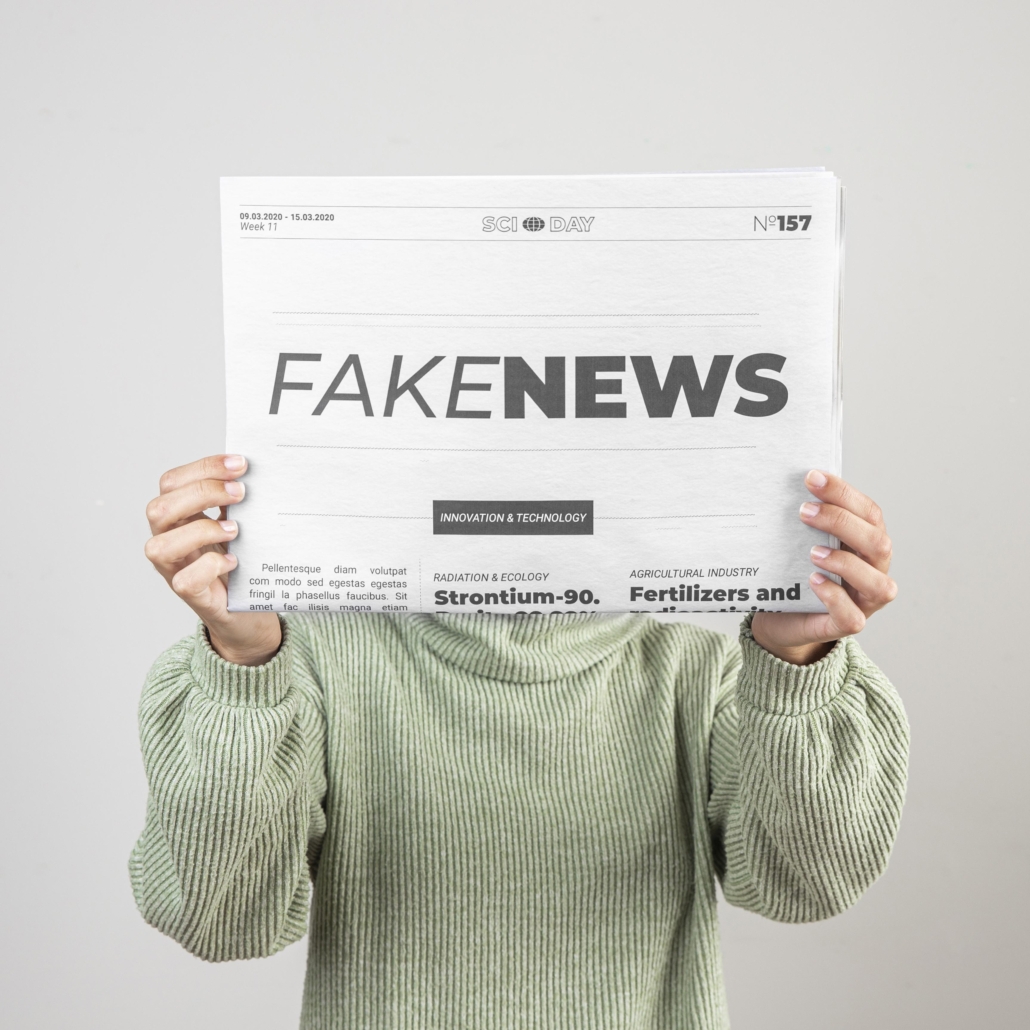
In today’s hyperconnected world, the phenomenon of fake news has emerged as a significant threat to public discourse and information integrity. Research indicates that false information spreads substantially faster and more broadly than verified facts, with profound implications for society, democracy, and public trust.
The digital landscape has dramatically transformed how we consume information, providing unprecedented access to news and content from across the globe with just a few clicks. However, this convenience comes with a critical drawback: the human tendency to quickly accept information, particularly content that evokes strong emotions or confirms existing beliefs.
A recent study highlighted by researcher Beauvais (2022) confirms this behavior contributes significantly to the disproportionate spread of misinformation over factual content. Many users share articles, videos, and posts without verifying their authenticity, creating fertile ground for the rapid proliferation of false narratives.
“Fake news is deliberately crafted to hijack our attention,” explains a media literacy expert who studies information consumption patterns. “It targets our emotional responses—shock, fear, outrage—in ways that factual reporting often doesn’t.”
The architecture of social media platforms further exacerbates this problem. The seamless design encouraging quick engagement—likes, shares, and comments—creates an environment where users react instinctively rather than critically. Each interaction provides a small dopamine release, reinforcing behavior patterns that favor engagement over verification.
Platform algorithms compound the issue by prioritizing content that generates high engagement. A misleading post that provokes strong reactions receives greater visibility, regardless of its accuracy. This creates a self-reinforcing cycle where sensationalism trumps substance.
“True information is typically more nuanced, less emotionally charged, and requires more cognitive effort to process,” notes a digital communications researcher. “In an attention economy, these qualities put factual content at a significant disadvantage.”
The consequences of this information ecosystem extend far beyond minor misconceptions. During the COVID-19 pandemic, for example, false information about unproven treatments led some individuals to ingest harmful substances in the belief they would provide protection. A 2023 study from the University of Southern California highlighted by Madrid found that misinformation has contributed to increased societal polarization and undermined trust in institutions.
“When people lose the ability to distinguish between reliable and unreliable information sources, the foundational trust that underlies democratic societies begins to erode,” says a political science professor specializing in media effects. “We’re seeing this manifest as declining confidence in government agencies, scientific institutions, and journalism.”
Addressing this challenge requires a multi-faceted approach combining individual responsibility with systemic change. On a personal level, experts recommend developing “digital mindfulness”—pausing before sharing content to verify its source, cross-reference information, and consider potential biases.
Educational institutions play a crucial role in building media literacy from an early age. Several countries have already incorporated critical information evaluation into their curricula, teaching students to identify credible sources and recognize manipulation techniques.
Technology companies face mounting pressure to implement more robust content moderation systems and algorithmic adjustments that don’t simply reward engagement regardless of accuracy. Some platforms have partnered with independent fact-checking organizations, though critics argue these efforts remain insufficient given the scale of the problem.
The battle against misinformation ultimately represents a societal challenge requiring collective action. By fostering critical thinking skills, supporting quality journalism, and demanding greater transparency from technology platforms, communities can begin to reclaim information spaces from the distorting influence of fake news.
As our digital landscape continues to evolve, the ability to distinguish fact from fiction increasingly determines not just individual decision-making but the health of our public discourse and democratic institutions.
Fact Checker
Verify the accuracy of this article using The Disinformation Commission analysis and real-time sources.

11 Comments
Fake news is a serious issue with far-reaching consequences. Emotional responses and confirmation bias can lead people to share false information without verifying it. Improving digital literacy is crucial to combating the spread of misinformation.
Absolutely. Fact-checking and source verification should be standard practice before amplifying any news or content online.
I’m curious to learn more about the psychology behind this phenomenon. What specific cognitive biases or behavioral patterns contribute to the rapid spread of fake news compared to accurate information? Understanding the root causes could inform more effective solutions.
This is a concerning trend. The speed at which misinformation spreads is alarming and poses real threats to informed public discourse. We need better media literacy education to help people scrutinize sources and content more carefully.
The research findings are quite alarming. The disproportionate spread of misinformation is a symptom of deeper societal issues like declining trust in mainstream media and the increasing polarization of information ecosystems. Addressing the root causes will be crucial.
I agree. Rebuilding trust in authoritative and fact-based sources of information should be a top priority.
This is a complex issue with no easy solutions. Tackling misinformation requires a multi-pronged approach targeting both the supply and demand sides. Platforms, publishers, and consumers all have a role to play in stemming the tide of fake news.
You make a good point. Responsibility must be shared across the ecosystem to meaningfully address this challenge.
As a society, we need to be much more vigilant and discerning when it comes to the information we consume and share online. Developing critical thinking skills and heightened skepticism is essential to combat the rapid spread of fake news.
This is a disturbing trend with serious implications for public discourse and trust in institutions. Urgent action is needed to improve digital literacy, strengthen fact-checking, and hold platforms accountable for the content they amplify.
Fake news is a complex problem without easy solutions. However, a concerted effort to educate the public, empower fact-checkers, and hold platforms accountable could help turn the tide against the rapid spread of misinformation.