


Listen to the article
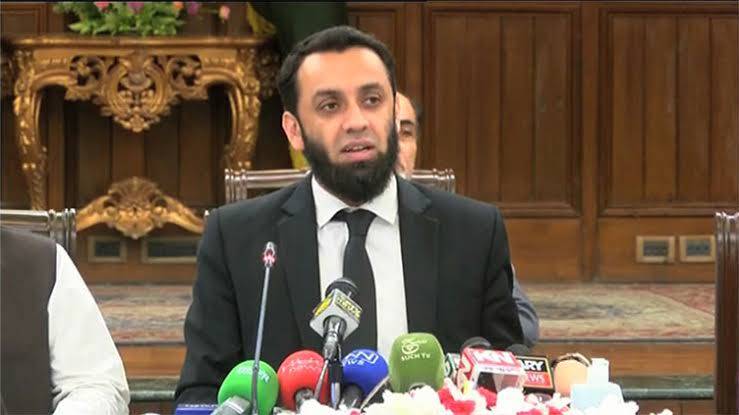
In a world increasingly dominated by digital communication, fake news circulating on social media has emerged as the foremost challenge of the digital era, Information and Broadcasting Minister Attaullah Tarar warned on Thursday.
Speaking at the closing session of the National Cyber Security Seminar, Tarar emphasized the critical importance of responsible social media usage amid rapidly evolving technologies that have fundamentally transformed how information spreads.
“Understanding cybersecurity must begin with recognizing demographic realities,” Tarar noted, highlighting Pakistan’s substantial digital footprint that includes over 117 million internet users, 148 million mobile broadband subscribers, and approximately 79 million active social media accounts.
The minister described a clear “generational fault line” in digital literacy, distinguishing between “digital immigrants” who adapted to technology later in life and “digital natives” born into the cyber age. This divide creates significant challenges in promoting responsible online behavior, as different generations interact with technology in fundamentally different ways.
Pakistan’s media landscape has undergone dramatic evolution over the past four decades, Tarar explained. While the transition from print to electronic media followed a structured, regulated path with editorial oversight and formal frameworks like the Pakistan Electronic Media Regulatory Authority (PEMRA), the subsequent shift to digital platforms happened so abruptly that proper regulatory mechanisms couldn’t keep pace.
“This unnatural transition caught us unprepared,” Tarar admitted. “The rapid pace left us without adequate regulatory frameworks or sufficient awareness of cybersecurity realities.”
Citing the World Economic Forum, Tarar revealed that global leaders now consider misinformation and fake news more dangerous than nuclear war or climate change. To illustrate this point, he referenced recent incidents where false information spread rapidly with real-world consequences.
Following the Bondi Beach attack in Sydney, social media quickly filled with unsubstantiated claims linking the perpetrator to Pakistan without evidence. These baseless allegations were amplified by global media outlets, severely damaging Pakistan’s international reputation. Tarar noted the tragic irony that such false reports circulated on December 16 – the very day Pakistan commemorated the martyrs of the Army Public School Peshawar attack.
“Pakistan itself is a victim of terrorism,” Tarar emphasized. “Yet these unfounded claims put Pakistanis living abroad at risk, creating a dangerous disconnect between reality and perception.”
The minister praised digital verification tools like iVerify, which he personally uses to combat misinformation. He also highlighted the government’s concrete steps to address these challenges, including the establishment of Pakistan’s first Digital Communication Department within the Ministry of Information and the creation of a dedicated fact-checking unit that collaborates with media organizations.
Tarar commended TikTok’s recent initiative to label AI-generated content, suggesting all platforms should adopt similar transparency measures. He expressed concern about artificial intelligence’s broader impact on content creation professions, including directors, graphic designers, and actors whose livelihoods may be threatened.
The minister stressed that effective cybersecurity awareness requires tailored approaches for different platforms and audiences. “There is no one-size-fits-all solution,” he said, while expressing optimism that collaborative efforts between the Pakistan Telecommunication Authority, the United Nations Development Programme, and the Government of Pakistan can develop effective strategies to address these complex challenges.
As Pakistan continues to navigate the rapidly changing digital landscape, the need for improved digital literacy, responsible online behavior, and robust regulatory frameworks has never been more urgent, Tarar concluded, underscoring the government’s commitment to tackling these pressing issues.
Fact Checker
Verify the accuracy of this article using The Disinformation Commission analysis and real-time sources.

12 Comments
The scale of Pakistan’s digital footprint highlights the urgency of this challenge. Proactive measures to promote digital citizenship are sorely needed.
Well said. Regulatory frameworks and public-private partnerships could help address the spread of misinformation.
Fascinating insights into the generational divide in digital literacy. Bridging this gap will be crucial to fostering a healthier online information ecosystem.
Absolutely. Tailoring digital education programs to different age groups could be an effective strategy.
Fake news is a global problem, but Pakistan’s rapidly evolving media landscape makes it particularly susceptible. Combating this will require a multipronged approach.
Agreed. Strengthening media institutions, journalism standards, and digital literacy education should all be priorities.
This is a serious issue that requires a nuanced approach. Educating all generations on critical media literacy is key to combating the spread of misinformation online.
I agree. Responsible social media usage must be promoted, especially among the younger ‘digital natives’ who are most vulnerable to fake news.
The minister’s focus on ‘digital natives’ and ‘digital immigrants’ is a crucial insight. Tailoring interventions to these distinct groups will be essential.
Definitely. Engaging both younger and older users through appropriate channels and messaging will be key.
Responsible social media usage is a global challenge, but Pakistan’s unique demographic realities add an extra layer of complexity. Innovative solutions are needed.
Agreed. Leveraging Pakistan’s tech-savvy youth to develop peer-to-peer education programs could be an interesting approach.