


Listen to the article
Public confidence in social media has fallen dramatically, with one in four Australians now rating these platforms as “very unethical,” according to the 2025 Ethics Index released by the Governance Institute of Australia.
This sharp decline in trust isn’t limited to Australian shores. The Digital News Report 2025 highlights widespread concern about misinformation spreading through social media channels, while the global Edelman Trust Barometer, which surveys more than 30,000 people across 28 countries, confirms this downward trend in public confidence.
Dr. Jason Weismueller from the University of Western Australia’s Business School points out that while social media has created opportunities for connection, creativity, and civic engagement, research increasingly reveals concerning downsides.
“Studies have shown that on certain social media platforms, false and sensational information often spreads faster than truth,” Weismueller notes. Such dynamics can fuel negativity and exacerbate political polarization in already divided societies.
The health impacts are equally troubling. Multiple studies have established links between heavy social media use and increased rates of depression, anxiety, and psychological distress, with adolescents and young adults appearing most vulnerable.
The 2021 revelations from Frances Haugen, a former Facebook product manager, brought these concerns into sharper focus. When Haugen released thousands of internal documents revealing Instagram’s negative impact on teen mental health, it triggered global scrutiny and intensified calls for greater platform accountability.
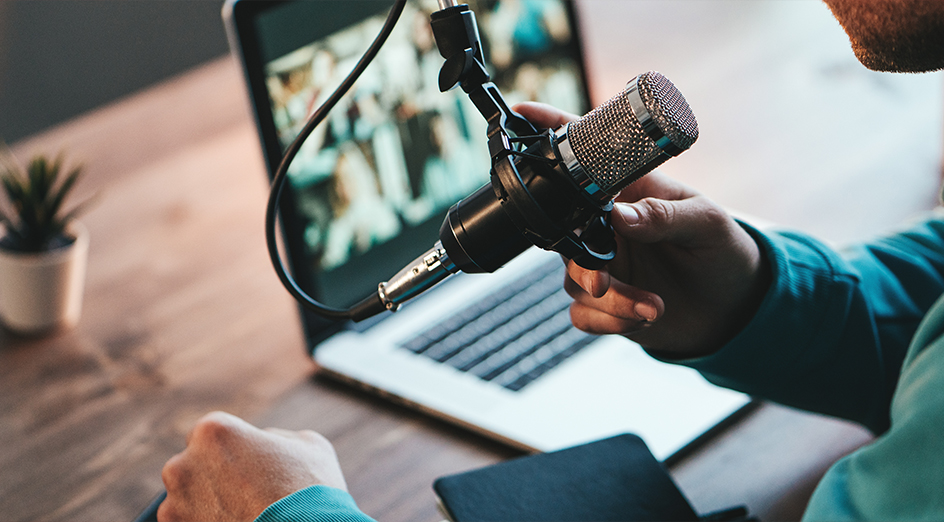
In stark contrast, podcasts enjoy a significantly more positive reputation among Australian consumers. More than half of Australians over age ten engage with audio or video podcasts monthly, and the format’s popularity was evident during the 2025 Australian election, where political leaders regularly appeared on podcasts as part of their campaign strategies.
This positive perception may stem from several key differences in how people consume podcast content. Unlike social media’s endless scrolling, podcast consumption tends to be more deliberate, with listeners choosing specific shows and episodes. Podcasts typically deliver longer, more nuanced discussions compared to the algorithm-driven snippets that dominate social media feeds.
“Research suggests podcasts foster a sense of intimacy and authenticity,” Weismueller explains. “Listeners develop ongoing relationships with hosts and view them as credible, authentic and trustworthy.”
However, this trust may sometimes be misplaced. A comprehensive Brookings Institution study analyzing more than 36,000 political podcast episodes found nearly 70% contained at least one unverified or false claim. Additional research has shown that political podcasts frequently employ toxic or hostile language.
These findings demonstrate that podcasts, despite their better reputation, aren’t automatically more reliable or ethical than social media platforms. The lesson appears to be that no digital information channel should receive unquestioned trust.
“What’s clear is that we shouldn’t blindly trust or dismiss any online platform, whether it’s a social media feed or a podcast,” Weismueller argues. “We must think critically about all the information we encounter.”
This evolving media landscape demands stronger digital literacy efforts that extend beyond social media awareness to help people assess information across all formats. For social media platforms hoping to rebuild public trust, ethical behavior must become a priority, including transparency about advertising, sponsorship arrangements, moderation policies, and content recommendation systems.
The Australian government has recognized these challenges, releasing a report earlier this year arguing that social media platforms have a “duty of care” toward their users and should proactively limit harmful content.
Creating a healthier information environment will require multiple approaches: skeptical but engaged citizens, stronger ethical standards across all platforms, and accountability systems that reward transparency and reliability rather than engagement at any cost.
As online spaces continue to evolve, the fundamental challenge remains constant: discerning truth in an environment where anyone can publish virtually anything. Neither blind trust nor complete dismissal offers a viable solution to navigating today’s complex digital media landscape.
Fact Checker
Verify the accuracy of this article using The Disinformation Commission analysis and real-time sources.

19 Comments
If AISC keeps dropping, this becomes investable for me.
Good point. Watching costs and grades closely.
Good point. Watching costs and grades closely.
Uranium names keep pushing higher—supply still tight into 2026.
I like the balance sheet here—less leverage than peers.
Good point. Watching costs and grades closely.
Good point. Watching costs and grades closely.
Nice to see insider buying—usually a good signal in this space.
The cost guidance is better than expected. If they deliver, the stock could rerate.
Good point. Watching costs and grades closely.
Exploration results look promising, but permitting will be the key risk.
Exploration results look promising, but permitting will be the key risk.
Production mix shifting toward Fake Information might help margins if metals stay firm.
Interesting update on Surveys Show Higher Trust in Podcasts than Social Media, Raising Questions About Credibility. Curious how the grades will trend next quarter.
Good point. Watching costs and grades closely.
Uranium names keep pushing higher—supply still tight into 2026.
Good point. Watching costs and grades closely.
Production mix shifting toward Fake Information might help margins if metals stay firm.
Good point. Watching costs and grades closely.