


Listen to the article
Amid Rising Tensions, Social Media Flooded with Misleading Military Strike Videos
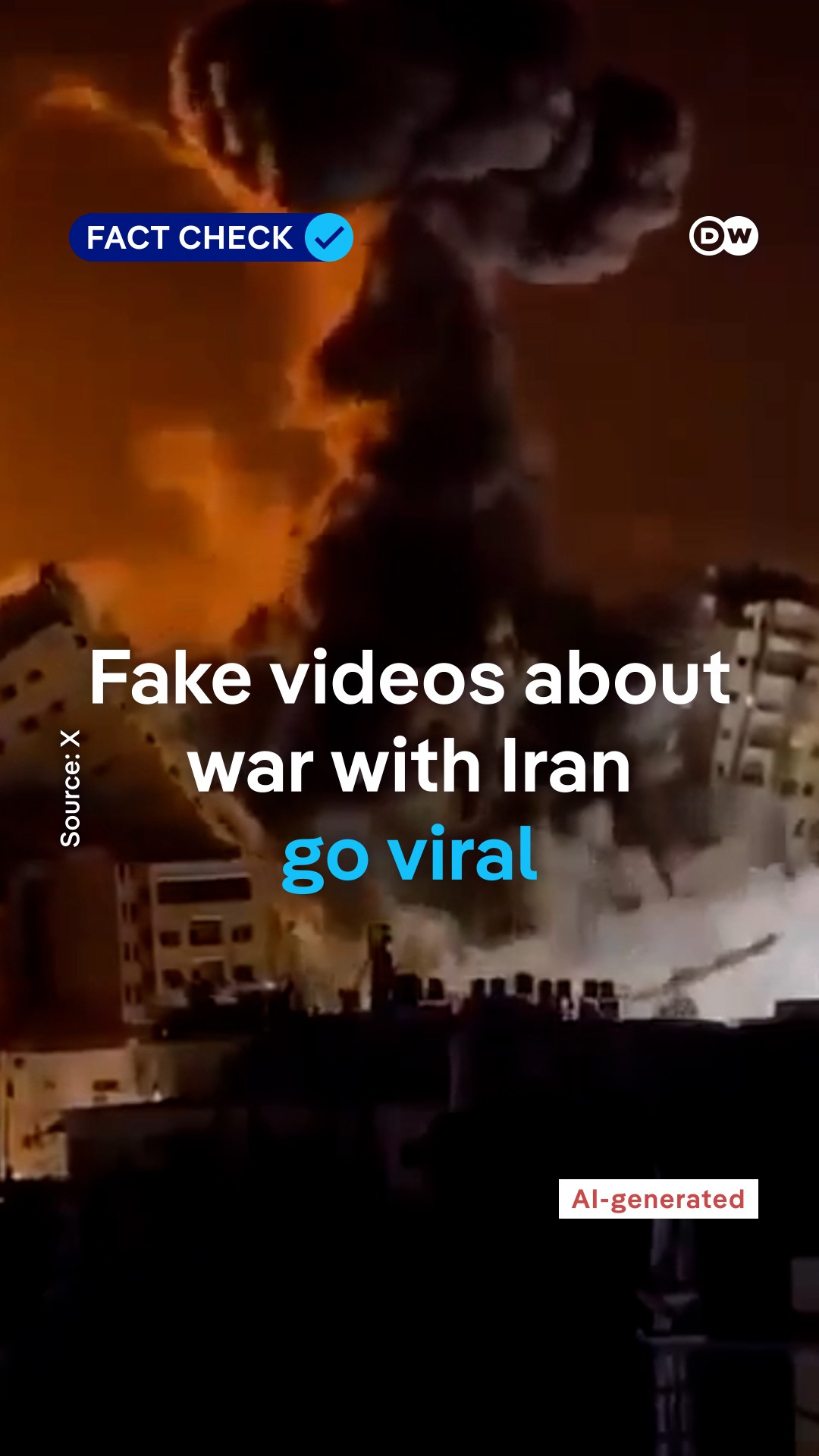
As geopolitical tensions continue to escalate in the Middle East, social media platforms have become battlegrounds for information—and misinformation—regarding military actions. Users across Twitter, Facebook, Instagram and TikTok are encountering numerous videos claiming to show military strikes by the United States, Israel, and Iran, many of which have proven to be fabricated or manipulated.
Digital forensics experts warn that the proliferation of these misleading videos represents a significant challenge for users attempting to stay informed during critical international developments. The situation highlights how modern conflicts are increasingly fought not just on physical battlefields but in the information space as well.
“What we’re seeing is an unprecedented wave of manipulated media specifically designed to influence public opinion about ongoing military operations,” explains Dr. Samira Tehrani, a digital misinformation researcher at Columbia University. “Some videos use old footage from completely different conflicts, while others are entirely generated using AI technology.”
The problem has been particularly acute following recent tensions between Iran and Israel, with social media awash with videos purporting to show missile strikes, defense systems in action, and military movements. Analysis has revealed that many such videos actually depict events from years ago, including footage from conflicts in Syria, Yemen, and even video game footage being misrepresented as current events.
Fact-checking organizations have identified three key strategies to help users distinguish genuine footage from fabrications. First, they recommend reverse image searching key frames from videos to determine if the content has appeared online previously. Tools like Google Image Search, TinEye, and Yandex can quickly reveal if a video has been recycled from past events.
Second, experts advise scrutinizing contextual details within videos. Elements such as weather conditions, architecture, vegetation, and visible text can provide clues about a video’s authenticity. For instance, palm trees visible in footage claimed to be from Tehran in winter should immediately raise red flags about authenticity.
Third, users should examine video metadata when available and cross-reference information with reports from established news organizations that employ professional verification techniques. Checking multiple credible sources before sharing content can significantly reduce the spread of misinformation.
“The sophistication of these fabrications has increased dramatically,” notes Marcus Willett, former deputy director of the UK’s GCHQ intelligence agency. “Today’s AI tools can generate remarkably convincing fake footage that would have required a professional studio just a few years ago. This technology is now accessible to virtually anyone with internet access.”
Social media platforms have implemented various measures to combat the problem, including partnering with fact-checking organizations, adding warning labels to unverified content, and in some cases removing content that violates platform policies. However, the volume of misleading material often overwhelms these safeguards.
Media literacy experts emphasize that the responsibility ultimately falls on users to approach content critically, especially during times of crisis when emotions run high and the temptation to share dramatic footage increases.
“We’re seeing a dangerous cycle where emotional content drives engagement, which leads to wider distribution regardless of accuracy,” says Claire Wardle, co-founder of the Information Futures Lab. “Each share potentially amplifies false narratives that can influence public perception and even policy decisions.”
The phenomenon underscores a troubling reality of modern conflict: disinformation campaigns now constitute a strategic element of warfare, with various actors deliberately seeding misleading content to shape international opinion.
Experts recommend that users practice “digital skepticism” by pausing before sharing emotional content, checking the source’s credibility, and using fact-checking resources that specialize in visual verification during international conflicts.
Fact Checker
Verify the accuracy of this article using The Disinformation Commission analysis and real-time sources.

8 Comments
The article highlights a significant challenge facing the public in the digital age – the proliferation of manipulated media intended to sway opinion. Rigorous fact-checking and media literacy will be essential to navigate this landscape and stay informed.
Interesting article on the challenges of verifying military video footage in the digital age. It’s alarming how easily misinformation can spread, especially during times of heightened tensions. Fact-checking and digital forensics will be crucial going forward.
Absolutely, the use of AI-generated and manipulated footage is a major concern. Diligence and skepticism are needed when consuming online content related to military actions.
The article raises valid concerns about the proliferation of fake military strike videos. While technology has made it easier to create and spread misinformation, it’s also given us new tools to detect manipulated media. Responsible journalism and digital forensics will be key to combating this issue.
This is a timely and important topic. As geopolitical tensions rise, the battle for information control is intensifying. Fact-checking and digital forensics will be crucial to cut through the noise and propaganda. I appreciate the expert insights provided in the article.
Exactly. In an era of deepfakes and AI-generated content, the onus is on readers to be extremely cautious and skeptical of online claims, especially around sensitive military and political issues.
This highlights the importance of media literacy and critical thinking when it comes to online information, especially around sensitive geopolitical issues. Fact-checking and verifying sources is so important to avoid falling for propaganda or misinformation.
Agreed. In an age of information overload, it’s essential that people learn to discern credible sources from dubious ones, and not just blindly believe what they see on social media.