


Listen to the article
Disinformation’s Decisive Impact on the 2024 Election Outcome
In the wake of Donald Trump and congressional Republicans’ sweeping victories, multiple factors contributed to the electoral outcome: economic concerns, border security anxieties, cultural tensions, and a general sentiment that the Biden administration had steered the country in the wrong direction. While these traditional electoral issues played significant roles, the pervasive influence of disinformation in shaping voter perceptions proved equally consequential.
The 2024 campaign season witnessed systematic, organized efforts to manipulate public opinion through false narratives that gained tremendous traction. Fabricated stories about immigrants eating pets in Springfield, Ohio, hurricane relief funds diverted to undocumented immigrants, and doctored images showing Kamala Harris with Jeffrey Epstein circulated widely. A particularly notable example included manufactured sexual abuse allegations against vice-presidential candidate Tim Walz.
Foreign influence operations also penetrated the American information ecosystem. One viral video featured a man falsely claiming to be Haitian who stated he had voted illegally in two Georgia counties—later revealed to be Russian-produced disinformation.
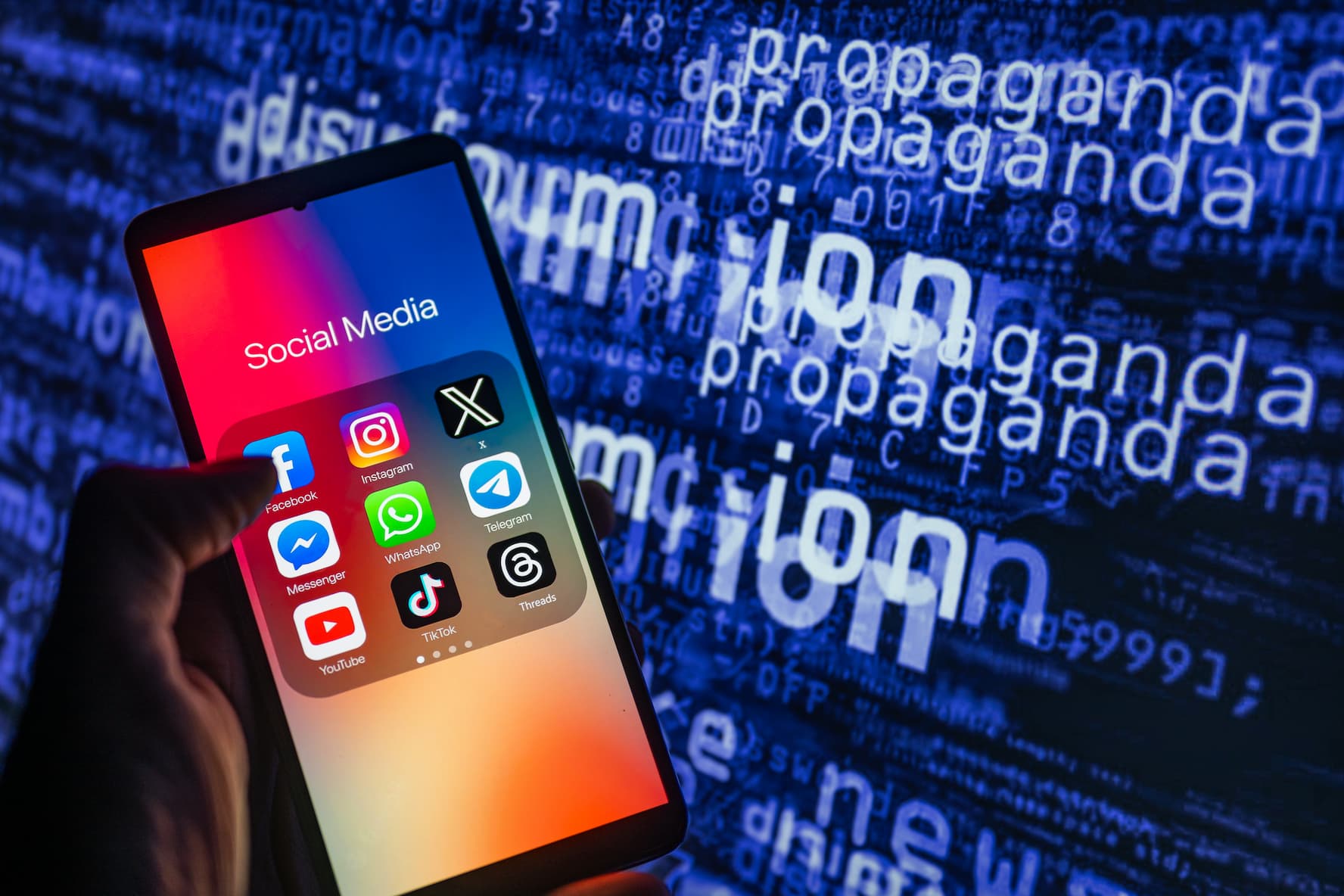
These falsehoods gained traction through a perfect storm of distribution channels: social media platforms, humorous memes, mainstream media coverage, internet influencers, and amplification by candidates themselves during public appearances. The current information landscape, characterized by low public trust in traditional news sources and easy access to AI tools that can generate convincing fake content, created fertile ground for such manipulation.
Polling data suggests these disinformation campaigns significantly influenced voters’ candidate perceptions and views on key issues including immigration, crime, and the economy. On immigration specifically, Trump’s claims about uncontrolled border crossings and migrants monopolizing resources gained traction despite contradicting official statistics. Independent fact-checkers consistently debunked the claim that 10 million migrants had crossed the border under the Biden administration, noting that apprehension and release numbers were comparable to those during Trump’s presidency.
Similarly, crime statistics from the National Institute for Justice showed native-born Americans commit crimes at rates three times higher than immigrants—with documented figures of approximately 1,100 crimes per 100,000 people for native-born citizens versus 400 for undocumented immigrants. Nevertheless, persistent false narratives undermined Harris’s perceived effectiveness on crime and immigration.
Economic perception presented another striking disconnect. Americans reported overwhelmingly negative views about inflation and economic conditions despite relatively strong macroeconomic indicators. The international perspective highlighted this disparity, with The Economist magazine publishing a pre-election cover story describing the U.S. economy as “the envy of the world.” Yet voters maintained pessimistic economic outlooks and blamed Harris accordingly.
As political battles continue, addressing disinformation requires multi-faceted solutions. Social media platforms must implement meaningful content moderation practices rather than allowing rumors and falsehoods to proliferate unchecked. The emergence of accessible generative AI tools that can create convincing fake content has escalated the challenge, making digital literacy programs that teach information evaluation skills increasingly vital.
The contemporary political environment itself compounds these problems. In today’s highly polarized landscape, millions of Americans admit to intentionally sharing information they know to be false when it damages political opponents. Additionally, financial incentives drive disinformation, with websites, newsletters, and digital platforms profiting from subscriptions, advertising, and merchandise sales linked to sensationalized content.
Without addressing these underlying dynamics, disinformation will continue to distort public discourse, complicate governance, and undermine the factual basis needed for functional democracy. The 2024 election demonstrated that electoral outcomes increasingly depend not just on policy positions, but on which narratives—factual or not—dominate the information ecosystem.
Fact Checker
Verify the accuracy of this article using The Disinformation Commission analysis and real-time sources.

14 Comments
While the impact of disinformation is concerning, I’m curious to know more about the specific measures being taken to address this challenge. What policy or technological solutions are being explored?
That’s a great question. Fact-checking initiatives, media literacy programs, and platform transparency requirements are some approaches being considered to mitigate the spread of disinformation.
This article is a sobering reminder of the complex web of factors that can influence election outcomes. Disinformation is just one piece of a larger puzzle that deserves careful, impartial analysis.
Well said. Maintaining objectivity and avoiding partisan narratives is crucial when examining the nuances of election dynamics and outcomes.
The examples of fabricated stories and doctored images highlighted in the article are particularly concerning. Strengthening digital forensics capabilities could help identify and counter such manipulations.
Agreed. Investing in advanced technologies to detect and trace the origins of disinformation should be a priority for policymakers and technology companies.
This article highlights the need for robust media literacy programs to help the public identify and counter misleading narratives. Fact-based reporting is essential for informed decision-making.
Absolutely. Equipping citizens with the tools to navigate the information landscape is key to strengthening democratic resilience.
It’s alarming to see the scale and sophistication of disinformation campaigns targeting the American electorate. Robust public education and media literacy efforts are crucial to build resilience.
Absolutely. Empowering citizens to think critically about the information they consume is key to preserving the integrity of our democratic processes.
The rise of foreign influence operations in US elections is particularly worrying. We must bolster cybersecurity and information sharing to protect the integrity of our electoral process.
Agreed. Coordinated efforts between government, tech companies, and civil society are critical to counter these threats.
Concerning to see how disinformation has such an impact on elections. We need to be vigilant in verifying information and fact-checking claims, especially around sensitive political issues.
Agreed. Disinformation can sway public opinion in dangerous ways. Maintaining a free and fair electoral process is critical for democracy.