


Listen to the article
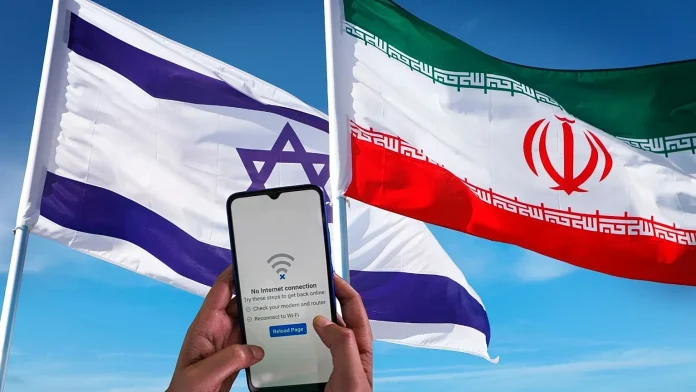
Rising tensions between Israel, Iran, and the United States have sparked an unprecedented wave of digital misinformation, with fact-checkers struggling to contain the flood of fabricated videos, recycled footage, and AI-generated imagery circulating on social media platforms.
The joint military campaign, labeled Operation Roaring Lion by Israel and Operation Epic Fury by the United States, commenced on February 28, 2026, with coordinated strikes targeting Iranian military installations, officials, and infrastructure across several major cities including Tehran, Isfahan, Qom, Karaj, and Kermanshah. As the conflict has escalated and Iran has retaliated, an information crisis has emerged online where the public demand for real-time footage has overwhelmed verification capabilities.
Fact-checking organizations have identified numerous instances of manipulated media being shared as authentic combat footage. One widely circulated video claiming to show explosions in Tel Aviv was actually footage from a 2015 chemical warehouse explosion in Tianjin, China. Another video purportedly showing Iranian missile strikes against Israel was actually recycled footage from an attack that occurred in October 2024.
The prevalence of AI-generated content marks a troubling evolution in conflict-related misinformation. Synthetic images depicting a destroyed Tel Aviv skyline, downed F-35 fighter jets, and fabricated protest scenes have proliferated across social networks in multiple languages including Persian, Urdu, Arabic, and English. One particularly viral post falsely showing an Iranian missile strike on Dubai’s Burj Khalifa garnered over 2.2 million views before fact-checkers identified telltale AI artifacts such as distorted human limbs in the imagery.
Even more concerning, AI-generated images falsely showing rescue workers recovering the body of Iranian Supreme Leader Ali Khamenei gained significant traction, including shares from influential accounts with substantial followings.
Platform operators have begun identifying coordinated networks responsible for spreading false information. Nikita Bier, head of product at X (formerly Twitter), revealed that investigators uncovered a single operator based in Pakistan who had compromised 31 accounts. These accounts were renamed to variations of “Iran War Monitor” just one day before the military strikes began and were used to disseminate AI-generated war content.
In response, X has announced strengthened countermeasures, including accelerating its detection capabilities and removing financial incentives for users spreading fabricated content. Under the platform’s updated policy, users repeatedly posting AI-generated conflict footage without proper synthetic media labeling will face suspension from X’s revenue-sharing program, with continued violations resulting in permanent earnings bans.
Media verification experts consider this conflict potentially historic in terms of AI-generated misinformation. A BBC Verify journalist noted that the US-Israel-Iran confrontation may represent the most AI-generated viral video content of any military conflict to date.
The situation creates a particularly troubling dynamic where public trust in authentic information continues to erode. Analysts have observed a growing tendency for genuine footage to be dismissed as fake when it contradicts viewers’ existing beliefs or political positions. This pattern represents a significant challenge for journalists, policymakers, and citizens as the digital information landscape becomes as strategically contested as physical territory.
The proliferation of AI-generated war content during this conflict signals a new chapter in modern warfare, where information operations and perception management through sophisticated technological deception have become critical components of international conflicts.
Fact Checker
Verify the accuracy of this article using The Disinformation Commission analysis and real-time sources.

10 Comments
The use of AI to create false and misleading war footage is a disturbing new development. It highlights the need for more robust fact-checking and media literacy efforts to combat the spread of disinformation, especially during times of heightened tension and conflict.
You’re right. Social media platforms must also take greater responsibility in curbing the virality of this kind of manipulated content. Proactive measures are needed to protect the public from being misled.
This is really concerning to see the spread of disinformation during such a volatile geopolitical situation. It’s crucial that we rely on authoritative and verified sources to stay informed, and not get drawn into sensationalized or fabricated social media content.
Absolutely. The proliferation of AI-generated media only adds to the challenge of discerning fact from fiction. We must be vigilant and think critically about the information we consume.
This is a concerning development, but not entirely surprising given the tensions in the region and the ease with which misinformation can spread online. I hope the relevant authorities can work quickly to identify and remove the fabricated content before it causes further harm.
Me too. The public deserves accurate and reliable information, especially during times of conflict. Fact-checking efforts will be key to countering the flood of disinformation.
I’m curious to see how the relevant authorities and fact-checking organizations will respond to this crisis of misinformation. Identifying and debunking the fabricated videos will be crucial, but it’s an uphill battle against the speed and scale of social media sharing.
This is a worrying development that highlights the challenges of tackling misinformation in the digital age. I hope the relevant authorities can move swiftly to identify and remove the fabricated content, while also educating the public on how to spot such deception.
You’re right. Improved media literacy and critical thinking skills are essential for the public to navigate the deluge of online content, especially during times of heightened tension and conflict.
The use of AI to generate fake war footage is a troubling sign of the times. It underscores the need for enhanced digital media literacy and fact-checking capabilities to combat the rise of online disinformation campaigns. Vigilance is crucial.