


Listen to the article
Trump’s Mail-In Voting Comments Draw Criticism Amid His Own Use of Absentee Ballot
Former President Donald Trump faced renewed criticism this week after making false claims about mail-in voting while simultaneously utilizing the service himself in a Florida special election.
During recent public statements, Trump declared that “mail-in voting means mail-in cheating,” adding emphatically, “I call it mail-in cheating.” These comments represent the latest in a years-long pattern of attacks against mail-in ballots, which became a particularly contentious issue during the 2020 presidential election amid the COVID-19 pandemic.
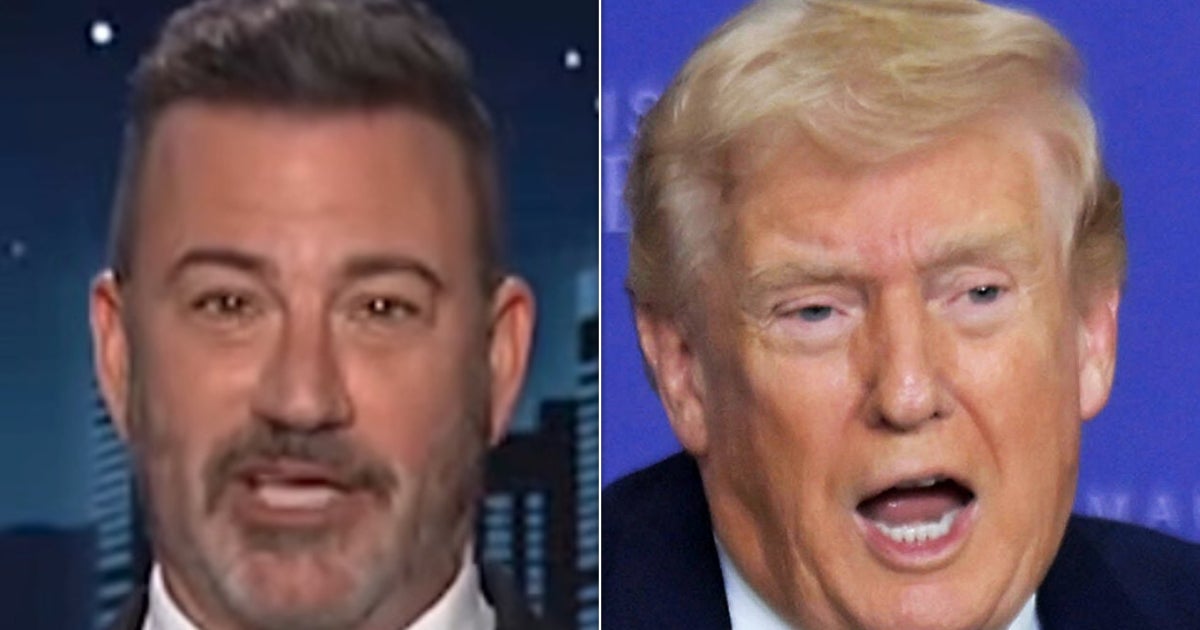
Late-night television host Jimmy Kimmel addressed Trump’s comments during his Tuesday evening monologue, pointing out the apparent contradiction in the former president’s position. “That’s right. He prefers in-person cheating,” Kimmel remarked, before making a personal jab referencing Trump’s past scandals.
The controversy intensified when records from Palm Beach County confirmed Trump had himself voted by mail in Tuesday’s special election for Florida state legislative seats. His ballot was officially received and counted, according to county voting records, despite his public stance against the practice.
“Guess what he did today? That’s right: He voted by mail today for the special election in Florida,” Kimmel noted during his broadcast, describing the situation as “unbelievable.”
Trump also claimed this week that the United States is “the only country that does mail-in voting,” a statement that fact-checkers have repeatedly debunked. Numerous democratic nations around the world offer some form of postal or absentee voting, including Australia, Canada, Germany, and the United Kingdom, though specific implementation varies by country.
Election security experts have consistently found that mail-in voting fraud is exceedingly rare in the United States. The Brennan Center for Justice at New York University School of Law has conducted extensive research on the topic, concluding that fraud rates remain infinitesimally small across all voting methods.
The use of mail-in ballots expanded significantly during the 2020 election cycle as states sought to provide voters with safe alternatives during the pandemic. According to the U.S. Election Assistance Commission, nearly 43% of all votes in the 2020 general election were cast by mail, representing a historic high.
Despite Trump’s continued criticism of mail-in voting, he and many of his allies have regularly utilized the service. In addition to his recent Florida ballot, Trump has voted absentee in previous elections, including the 2020 presidential primary.
Political analysts suggest Trump’s messaging on mail-in voting may be part of a broader strategy to sow doubt about election processes ahead of the 2024 presidential race. Election officials from both parties have expressed concern that such rhetoric undermines public confidence in democratic systems.
State election administrators continue to emphasize the security measures protecting mail-in ballots, including signature verification, ballot tracking systems, and secure drop boxes. Many states have also implemented post-election audits that have consistently verified the accuracy of reported results.
As the 2024 election approaches, voting access and election security remain polarizing issues, with Republican-led states often pursuing tighter restrictions on mail-in voting while Democrat-led states work to maintain or expand access.
Meanwhile, comedians like Kimmel continue to highlight what they see as hypocrisy in the former president’s stance. “Donald Trump claiming he wants to protect election integrity is like Bill Cosby telling you he’ll watch your drink for you,” Kimmel quipped during his monologue, drawing parallels to another controversial public figure.
The debate over mail-in voting is expected to remain a central point of contention as campaign season intensifies, with implications for voter participation and public trust in electoral outcomes.
Fact Checker
Verify the accuracy of this article using The Disinformation Commission analysis and real-time sources.

8 Comments
I appreciate Kimmel’s straightforward approach in fact-checking Trump’s claims. While political rhetoric can often be divisive, it’s important to have impartial voices holding public figures accountable, regardless of their party affiliation.
The issue of mail-in voting is a complex one, and I think it’s important to avoid overly partisan rhetoric on either side. Objective analysis from trusted sources can help us understand the real challenges and potential solutions.
Kimmel’s fact check highlights an interesting dynamic – it’s important for public figures to lead by example and practice what they preach when it comes to electoral processes. Consistency and transparency are key.
This issue of mail-in voting is an important one, and I think it’s crucial that we approach it with nuance and objectivity. Fact-checking from reputable sources can help us navigate the complexities and ensure the integrity of our democratic processes.
It’s interesting to see the contradiction between Trump’s public statements against mail-in voting and his personal use of it. Kimmel’s fact check highlights this hypocrisy in a humorous way.
I’m curious to see how this issue of mail-in voting will continue to play out, especially with the upcoming elections. It’s important to have a balanced and objective approach to ensure the integrity of the democratic process.
While I understand the concerns around potential voter fraud, it’s crucial that we rely on authoritative and nonpartisan sources when evaluating the effectiveness and security of mail-in voting. Fact-checking from credible outlets like Kimmel’s show can help provide important context.
As someone who follows developments in the mining and commodities sector, I’m curious to see how this issue of mail-in voting may impact related industries and investments. Stability and predictability in the electoral process are important factors to consider.