


Listen to the article
In a contentious development surrounding Texas primary elections, confusion at polling stations has sparked accusations of voter suppression on social media, with claims specifically targeting the treatment of minority voters.
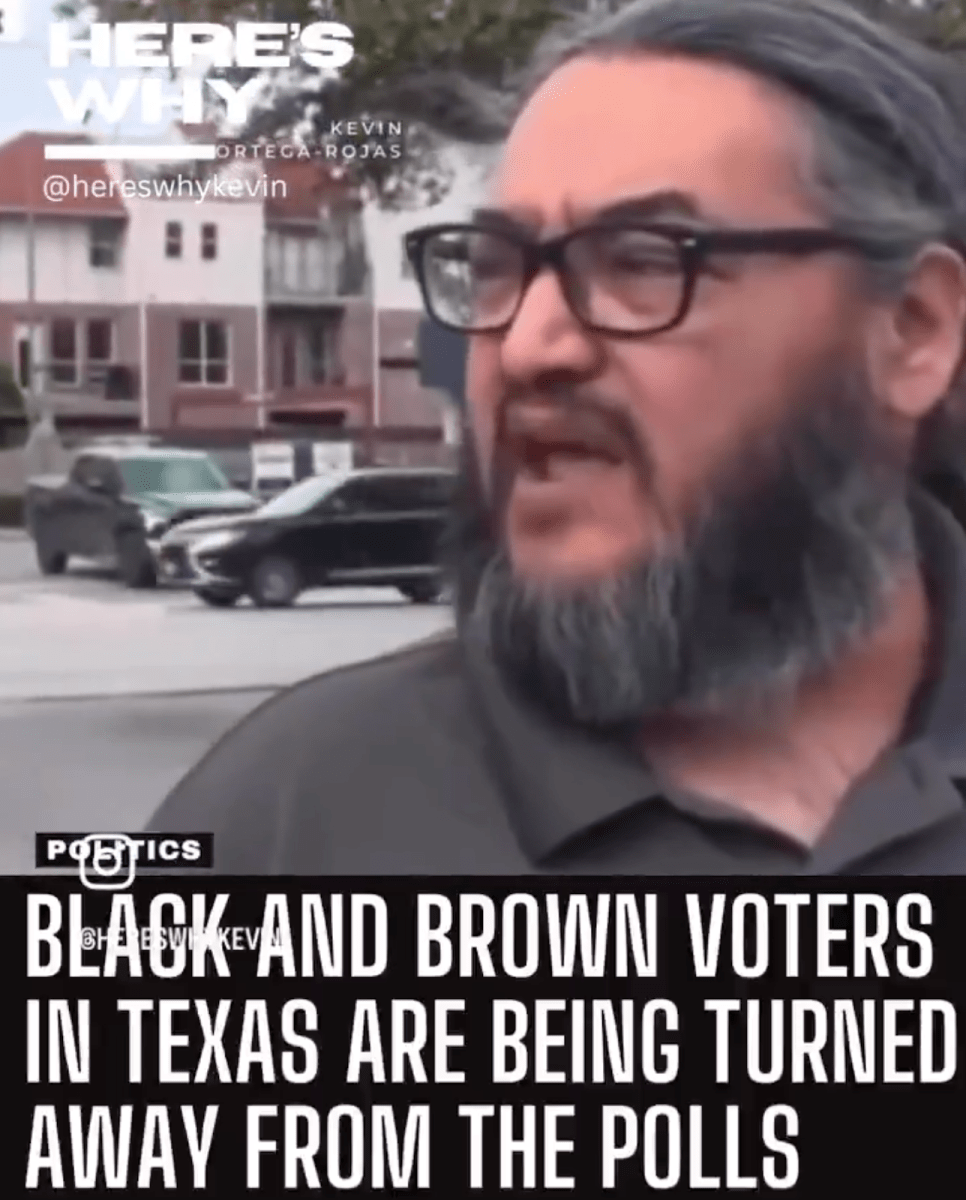
A viral post on X alleged that Black and brown voters were systematically turned away from polling locations across Dallas County during Tuesday’s state primary election. The social media claim, which quickly gained traction online, suggested that minority voters faced deliberate barriers when attempting to cast their ballots, with many being redirected to different polling sites.
“This happened all over Texas today when black and brown voters went to their polling stations. They were told they couldn’t vote anymore and had to go somewhere else,” stated the viral post, which included interviews with frustrated voters outside a polling location in Dallas.
Election officials, however, have attributed the disruption to recent changes in the state’s voting process rather than racially motivated suppression. The confusion stems from a significant shift in how polling locations are organized in Texas counties, creating widespread misunderstanding among voters accustomed to the previous system.
Since 2019, many Texas counties had implemented county-wide voting centers, allowing residents to cast ballots at any polling location within their county boundaries. This flexible system had become familiar to many voters across the state. However, in a significant policy reversal, several county Republican parties opted to abandon the county-wide approach for the 2026 primary elections, returning instead to a precinct-based voting system. Democratic parties in these counties subsequently adopted the same precinct-based approach for consistency.
Under the reverted system, voters must cast their ballots at specific polling locations assigned to the precinct where they reside, rather than at any county location of their choosing. This change, which was not widely publicized or understood by many voters, led to substantial confusion on election day.
One X user with the handle “Gaijin Goombah” described witnessing multiple voters facing redirection issues: “I was in line with twelve. TWELVE people that were given falsified information about where they were supposed to go vote. They were told to go somewhere else across two cities.”
While the viral social media claims framed these redirections as specifically targeting minority communities, election officials maintain that Texas election rules prohibit denying voters based on race or political affiliation. The confusion affected voters across demographic groups, though the impact may have been more visible in some communities than others.
The situation highlights the broader challenges in communicating electoral process changes to voters. In counties with significant Black and Latino populations that were affected by the voting system change, the redirection of voters created optics that fueled claims of targeted suppression when captured on video and shared online.
Voting rights advocates have long scrutinized Texas for its electoral policies, with the state facing multiple lawsuits in recent years over voting restrictions that critics claim disproportionately affect minority communities. This context has created an environment where voting irregularities are quickly viewed through the lens of potential discrimination.
Election officials are urging voters to verify their correct polling locations before the next election cycle and have emphasized the need for better communication regarding changes to voting procedures. Meanwhile, civil rights organizations have called for increased transparency and a return to more accessible voting systems that minimize confusion and potential disenfranchisement.
As Texas continues to be a critical battleground in national politics, the integrity and accessibility of its voting systems remain under intense scrutiny from all sides of the political spectrum.
Fact Checker
Verify the accuracy of this article using The Disinformation Commission analysis and real-time sources.

6 Comments
I’m glad the report dug into the specifics here rather than just amplifying the social media claims. Voter access is crucial, so it’s important to understand the real reasons behind any disruptions, rather than jumping to conclusions. Sounds like there’s room for improvement, but not necessarily malicious intent.
It’s always concerning to see reports of voter issues, but it’s good that the officials were able to provide an explanation here that doesn’t seem to point to intentional suppression. Hopefully they can learn from this experience and make the process smoother going forward.
Interesting report on the voter confusion in Texas. It sounds like there were legitimate issues with the changes to polling location organization, rather than intentional voter suppression. Hopefully election officials can address these problems before the next election.
Voter access is a sensitive and politically charged topic. I appreciate the balanced approach here to separate fact from fiction and provide context on the operational changes that may have contributed to the confusion. Transparent elections are key for democracy.
It’s important to carefully investigate claims of voter suppression to understand the true cause. While social media posts can spread quickly, the reality is often more nuanced. I’m glad the officials provided an explanation for the disruptions.
Agreed. Voter integrity is critical, so it’s good that the officials are looking into the issues and trying to improve the process for the next election.