


Listen to the article
Chinese Crackdown Linked to Sharp Decline in U.S. Fentanyl Overdose Deaths
A groundbreaking study published in the journal Science reveals that a significant disruption in the illegal fentanyl market, possibly linked to actions by the Chinese government, has contributed to a dramatic reduction in overdose deaths across the United States and Canada.
This “supply shock,” as researchers describe it, appears to have begun in mid-2023 and continued through 2024, making it increasingly difficult for criminal organizations to produce and distribute the synthetic opioid that has devastated communities nationwide.
The impact of this market disruption is reflected in recent mortality data. Fatal overdoses from synthetic opioids, primarily fentanyl, reached a peak of 76,000 in the United States during 2023. However, provisional figures from the Centers for Disease Control and Prevention indicate a striking reversal of this trend, with opioid-related overdose deaths falling to approximately 54,743 in 2024—a reduction of nearly 30 percent.
This decline represents one of the most significant year-over-year improvements in the opioid crisis in recent memory, offering a glimmer of hope in what has been a relentless public health emergency.
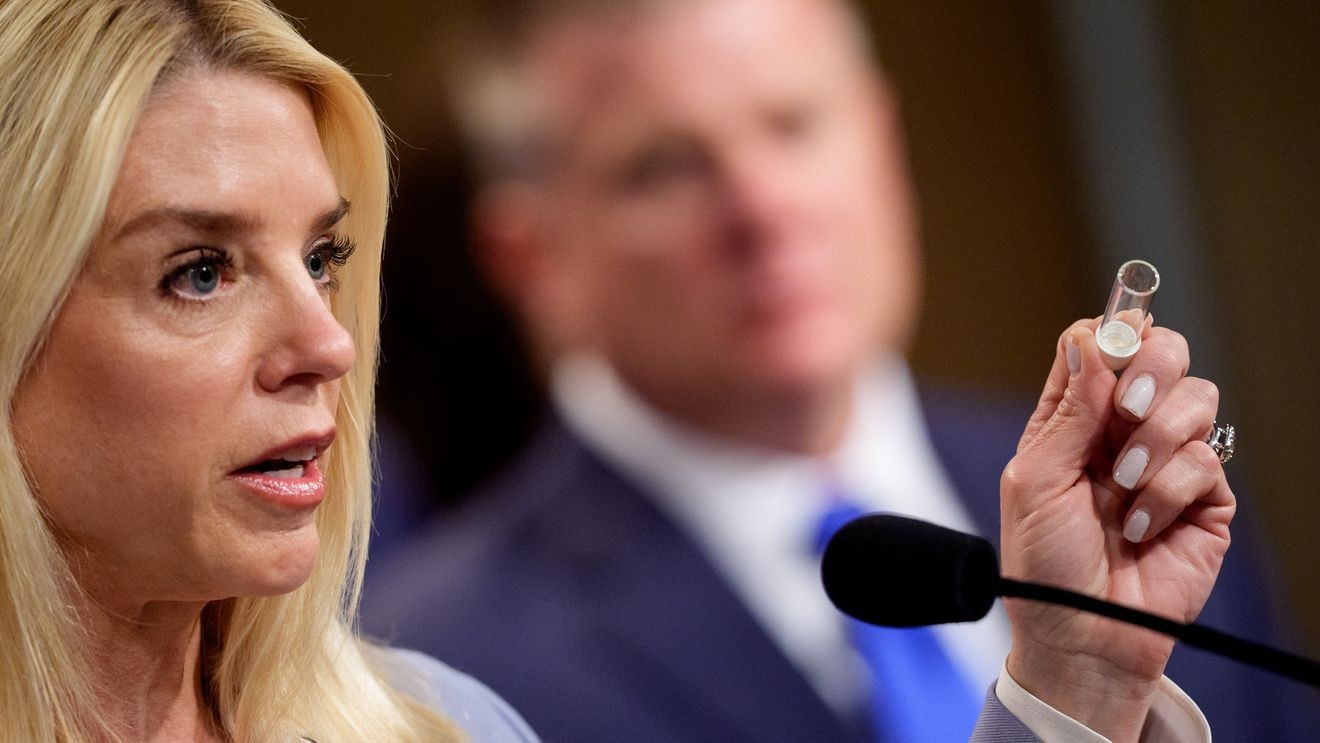
Law enforcement efforts appear to be playing a crucial role in this positive development. The U.S. Drug Enforcement Administration reported seizing 45.2 million fentanyl pills in 2025, containing the equivalent of over 380 million potentially lethal doses. This follows even larger seizures in 2024, when authorities confiscated more than 60 million fentanyl-laced counterfeit pills and nearly 8,000 pounds of fentanyl powder.
The Trump administration has claimed that its border enforcement policies are contributing to the reduction in fentanyl trafficking. According to a House Homeland Security “Border Brief,” fentanyl seizures at the Southwest border decreased by 70 percent in May 2025 compared to the same month in 2024.
However, policy experts caution that measuring the total supply of illegal narcotics remains challenging in real-time. The illicit drug market is notoriously adaptable, with trafficking organizations frequently changing routes and methods in response to enforcement pressures.
The Science study suggests that China’s actions against chemical suppliers may represent a more fundamental disruption to the fentanyl supply chain than border interdiction alone. China has historically been a major source of precursor chemicals used in fentanyl production, which are then typically processed in Mexico before being smuggled across the U.S. border.
“What we’re seeing appears to be more than just improved border security or law enforcement,” said Dr. Helena Farias, a public health researcher not involved in the study. “The data points to a genuine supply chain disruption at the source, which has made it harder for criminal organizations to maintain previous production levels.”
The apparent success in reducing the fentanyl supply comes after years of diplomatic pressure on China to crack down on chemical manufacturers who supply the precursors needed to produce the synthetic opioid. In 2019, China implemented controls on all fentanyl-related substances, though enforcement had been inconsistent until recently.
While the reduction in overdose deaths represents significant progress, public health officials emphasize that the crisis is far from over. Even with the decline, synthetic opioids remain responsible for tens of thousands of annual deaths in the United States.
Treatment specialists also note that as fentanyl becomes less available, those with opioid use disorder may turn to other dangerous substances or experience painful withdrawal without proper medical support.
“Any reduction in overdose deaths is welcome news,” said Dr. Marvin Townsend, an addiction medicine specialist at Johns Hopkins University. “But we need to ensure that those struggling with addiction have access to evidence-based treatment options, including medications for opioid use disorder, regardless of fluctuations in the drug supply.”
As policymakers assess these developments, the research underscores the importance of a comprehensive approach that combines supply reduction strategies with expanded access to treatment, harm reduction services, and prevention efforts.
Fact Checker
Verify the accuracy of this article using The Disinformation Commission analysis and real-time sources.

18 Comments
The potential role of Chinese government actions in disrupting the fentanyl supply chain is intriguing. I wonder if this could serve as a model for international cooperation to combat the global drug trade and save lives.
That’s a good point. If the Chinese crackdown can be replicated and scaled up through coordinated global efforts, it could have a transformative impact on the opioid crisis.
This is certainly a positive development in the ongoing opioid crisis. A 30% drop in overdose deaths is significant, though the overall numbers are still tragically high. Continued vigilance and a comprehensive approach will be needed to sustain this progress.
Agreed. While this is an encouraging sign, the battle is far from over. Policymakers and public health officials will need to build on this momentum to further reduce harm and save lives.
This is an important development, but the work is far from over. The opioid crisis has taken a massive toll, and we need to remain vigilant and committed to comprehensive solutions that address both supply and demand.
Well said. Sustained progress will require a multi-faceted approach targeting all aspects of this complex public health challenge.
The decline in fentanyl overdose deaths is certainly encouraging, but the sheer scale of the crisis means we can’t let our guard down. Continued collaboration between governments, law enforcement, and public health experts will be essential to build on this progress.
Absolutely. This is just one step in the right direction, and we need to see if these trends can be maintained and expanded upon in the long run.
The fentanyl crisis has devastated communities across North America, so any sign of progress is welcome. I’m curious to learn more about the specific factors that contributed to this supply shock and whether they can be replicated or expanded upon in the future.
Absolutely. Understanding the root causes and key interventions that led to this decline will be crucial in developing effective long-term strategies to combat the opioid epidemic.
The dramatic reduction in fentanyl overdose deaths is certainly a positive development, but the work is far from done. We must remain vigilant and continue to pursue a comprehensive, evidence-based approach to addressing this crisis on all fronts.
Well said. Sustaining and building upon this progress will require sustained commitment and collaboration from policymakers, public health experts, and communities affected by the opioid epidemic.
This report highlights the importance of understanding the global dynamics that fuel the opioid crisis. The potential impact of Chinese government actions on the illegal fentanyl trade is an important piece of the puzzle that deserves further investigation.
Agreed. Uncovering the international supply chains and pressure points that drive the opioid epidemic is crucial to developing effective, coordinated strategies to combat it.
Interesting to see the sharp decline in fentanyl overdoses in the US and Canada. Seems like a crackdown in China played a key role. Curious to learn more about the specific actions they took and how they disrupted the illegal supply chain.
Yes, the scale of the reduction is quite remarkable. It will be important to monitor this trend closely and understand the long-term impacts.
While the reduction in overdose deaths is certainly welcome news, the fact that the numbers are still so high underscores the immense challenge we face. Continued investment in prevention, treatment, and harm reduction will be critical to sustaining this progress.
Absolutely. The opioid crisis has been a long-standing and complex issue, and any progress must be met with a renewed commitment to comprehensive, evidence-based solutions.