


Listen to the article
CIA Reports Show No Data on Indonesia’s LGBT Population Ranking
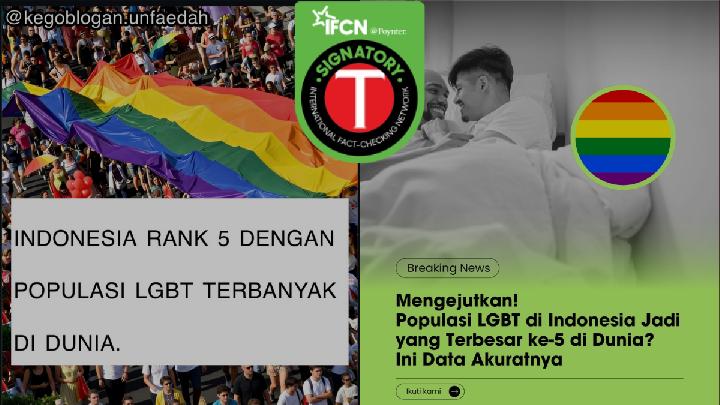
A recent investigation by Tempo has revealed that claims about Indonesia ranking fifth globally for LGBT population size are unfounded, with no supporting evidence in Central Intelligence Agency (CIA) records.
The investigation involved comprehensive keyword searches for “LGBT” and “LGBTQ” on the CIA’s official website, with results analyzed both manually and through AI assistance. Findings showed a complete absence of CIA-published articles or reports mentioning global LGBT population figures, including any specific data about Indonesia.
Instead, CIA-published materials related to LGBT topics primarily focus on three distinct areas: internal personnel policies regarding LGBT employees, historical accounts of the “Lavender Scare” era when homosexual employees faced discrimination within the agency, and security analyses examining potential vulnerabilities involving homosexual individuals in intelligence operations.
In a notable development earlier this year, the CIA withdrew 19 intelligence assessments from the past decade that were deemed politically biased, including one related to LGBT issues. The agency cited failure to meet its standards of impartiality as the reason for this action.
According to World Population Review (WPR), approximately 8 percent of the global population identifies as homosexual, bisexual, or pansexual. Their data, updated through 2021, indicates that heterosexual individuals constitute about 80 percent of the global population, while the remaining 12 percent declined to disclose their sexual identity.
The countries with the largest officially identified LGBTQ+ populations include Brazil, Canada, Sweden, the United States, and Germany—with no mention of Indonesia among top-ranked nations. WPR researchers emphasized that these statistics likely underrepresent actual numbers, as many LGBT individuals worldwide avoid self-identification due to potential consequences.
“In many countries, acknowledging LGBTQ+ orientation can jeopardize employment, social acceptance, eligibility for certain assistance programs, and even personal safety,” the report noted. This reluctance creates significant challenges for accurate data collection, even in countries generally considered more tolerant toward sexual minorities.
The spread of misinformation about LGBT populations has real consequences, particularly in Indonesia. Digital narratives often frame LGBT issues through moral panic, frequently linking them to health concerns like HIV/AIDS, which triggers online harassment against individuals based on their gender expression.
Arisdo Gonzalez, an activist from Indonesian organization Pelangi Nusantara, explained that such narratives intensify what psychologists call “minority stress”—a condition where marginalized groups experience constant scrutiny and are portrayed as social problems.
“Many LGBTIQA+ individuals end up feeling afraid, stressed, and even reluctant to open social media,” Gonzalez told Tempo. He attributes part of the problem to media outlets that prioritize sensational headlines about sexual diversity to drive engagement, while other important social issues receive less attention.
Gonzalez also highlighted concerns about regional regulations in Indonesia that target queer communities under the pretext of maintaining public order or combating vice.
The investigation underscores a broader issue in public discourse: the circulation of unverified statistics that fuel discrimination against vulnerable communities. While accurate data on LGBT populations remains difficult to obtain worldwide due to disclosure concerns, the claim that Indonesia ranks fifth globally appears to be completely unfounded.
Based on its comprehensive investigation, Tempo’s fact-checking team has concluded that assertions about Indonesia having the world’s fifth-largest LGBT community are false and unsupported by credible evidence from intelligence agencies or demographic research organizations.
Fact Checker
Verify the accuracy of this article using The Disinformation Commission analysis and real-time sources.

8 Comments
While the CIA is tasked with collecting sensitive global data, this investigation highlights the need for robust fact-checking and transparency around their methodologies and findings. Reliable demographic information is crucial for policymaking and advocacy.
The withdrawal of politically biased intelligence assessments is a positive step, but it raises questions about what other questionable data may exist in the CIA’s archives. Ongoing scrutiny and fact-checking are clearly necessary.
This investigation highlights the need for reliable, unbiased data when it comes to understanding the size and distribution of minority populations worldwide. Glad to see the Tempo team digging into the CIA’s records to get to the truth.
You’re right, transparency and accuracy are critical, especially for government agencies tasked with collecting and reporting sensitive demographic data.
This report is a good example of the importance of independent media and investigative journalism. Fact-checking the claims of powerful institutions like the CIA is essential for maintaining an informed and accountable public discourse.
Interesting fact check. It’s good to see the CIA being held accountable for any potential biases or misinformation in their reporting. Rigorous fact-checking is so important, especially on sensitive topics like LGBT rights globally.
It’s concerning to see the CIA producing intelligence assessments with potential political biases. Fact-checking initiatives like this one are vital to holding government agencies accountable and ensuring the public has access to reliable information.
This report serves as a good reminder that even authoritative sources like the CIA can sometimes get things wrong or present information with an agenda. Kudos to the investigative journalists for uncovering the truth.