


Listen to the article
Iranian General Suicide Claim Debunked: Video Predates Recent Crisis by Over a Year
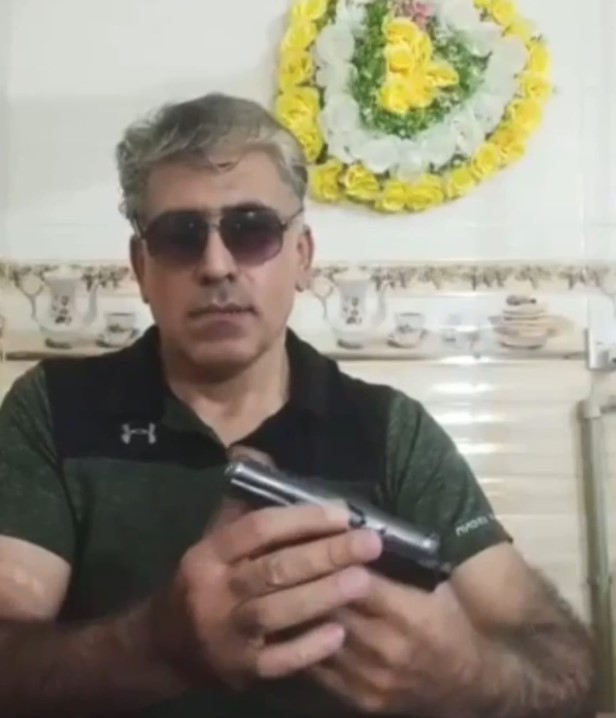
A viral video claiming to show an Iranian military general committing suicide on live television after allegedly betraying Supreme Leader Ayatollah Ali Khamenei has been proven false following a comprehensive fact-check investigation.
The widely circulated footage, which shows a man reciting Islamic testification of faith before shooting himself in the head, gained significant traction in early March 2026 amid heightened tensions following reported U.S.-Israel strikes that allegedly killed senior Iranian officials, including Khamenei.
Accompanying captions claimed: “The general who betrayed the Iranian leader by revealing his exact location has repented. He took his own life on live broadcast.” The video rapidly spread across major social media platforms including X (formerly Twitter), Facebook, TikTok, WhatsApp, and Telegram, particularly within Nigerian social networks.
However, an extensive verification process conducted by fact-checkers revealed the video predates the current Iranian crisis by well over a year. Reverse image searches and keyframe analysis determined that the footage first appeared online between October 15-17, 2024, when it was identified by Kurdish social media accounts as showing Zahir Amini, reportedly a resident of Baneh in eastern Kurdistan living in Erbil, who allegedly took his own life during an Instagram livestream.
Multiple Kurdish accounts on TikTok and other platforms shared the clip in October 2024, conclusively establishing its existence long before the March 2026 events to which it was later linked.
Forensic analysis of the video found no evidence of digital manipulation or AI generation. Experts applied multiple detection tools to examine motion continuity, lighting consistency, edge rendering, and compression artifacts commonly associated with deepfakes. The footage appears authentic but has been deliberately miscontextualized to connect it with current geopolitical tensions.
A comprehensive media audit across international news organizations including Reuters, BBC, Al Jazeera, Associated Press, and Iranian state media outlets revealed no credible reports confirming any Iranian general publicly confessing to betrayal or dying by suicide in connection with recent strikes. Searches yielded only speculative commentary about possible internal leaks or espionage related to the attacks.
The misattribution gained momentum amid widespread emotion following reports of the strikes against Iranian leadership, which triggered global reactions and speculation about potential betrayal within Iranian ranks. Several verified social media accounts, including some with significant followings in Nigeria, amplified the false narrative without verification.
Notably absent from the evidence chain is any official Iranian statement, military record, or credible international reporting identifying a high-ranking officer committing such an act. No major news organization has reported on a televised confession or suicide related to the alleged betrayal of Khamenei.
The chronology of the video’s appearance online conclusively demonstrates it was repurposed to align with unfolding geopolitical events, exploiting heightened public interest in the Iranian situation to drive engagement with recycled content.
This case highlights the continuing challenge of contextual misinformation, where authentic footage is removed from its original setting and presented with false framing to create misleading narratives around current events—a particularly problematic phenomenon during international crises when verification becomes more difficult and audience interest peaks.
Based on all available evidence, fact-checkers have conclusively determined the claim to be false. The tragic video shows neither an Iranian general nor anyone connected to recent events involving Iran’s leadership.
Fact Checker
Verify the accuracy of this article using The Disinformation Commission analysis and real-time sources.

10 Comments
Fact-checking is vital to maintaining trust in the media and public discourse. This case demonstrates the importance of verifying claims, especially those with significant political implications. Well done.
This is a good reminder to be cautious about unverified claims, especially those that seem sensational or politically charged. Fact-checking is crucial to prevent the spread of misinformation.
Interesting fact-check. It’s important to verify claims, especially those involving high-profile figures and sensitive geopolitical events. Glad the investigation uncovered the truth behind this viral video.
It’s concerning how quickly unverified claims can gain traction online. This case highlights the importance of thorough fact-checking to prevent the proliferation of false narratives, especially around high-stakes issues.
Solid fact-checking work. Identifying and debunking misinformation is crucial for maintaining trust in news sources and public discourse. Kudos to the team for their diligent investigation.
This fact-check is a valuable contribution to the ongoing effort to combat the spread of misinformation. Rigorous verification processes like this help ensure the public has access to accurate, reliable information.
It’s concerning how quickly misinformation can spread online these days. This case highlights the need for robust fact-checking processes to ensure the public has access to accurate, reliable information.
This fact-check highlights the importance of critical thinking when consuming news and information, particularly around sensitive geopolitical issues. Well-done investigation to uncover the truth behind this viral claim.
Impressive work uncovering the true origins of this viral video. It’s a good lesson in the need for caution and critical analysis when evaluating claims, especially around sensitive geopolitical events.
Glad to see this claim was thoroughly debunked. In today’s digital age, it’s essential that news sources and the public work together to combat the spread of false information. Kudos to the fact-checkers.