


Listen to the article
Six Arrested in Bahrain for Filming Iranian Aggression, False Claims Circulate About Indian National
Bahraini authorities have detained six Asian nationals for allegedly recording and disseminating videos of Iranian military actions, according to a statement released by the country’s Interior Ministry. The arrests come amid heightened tensions in the region, with Bahrain expressing concerns about potential threats to national security.
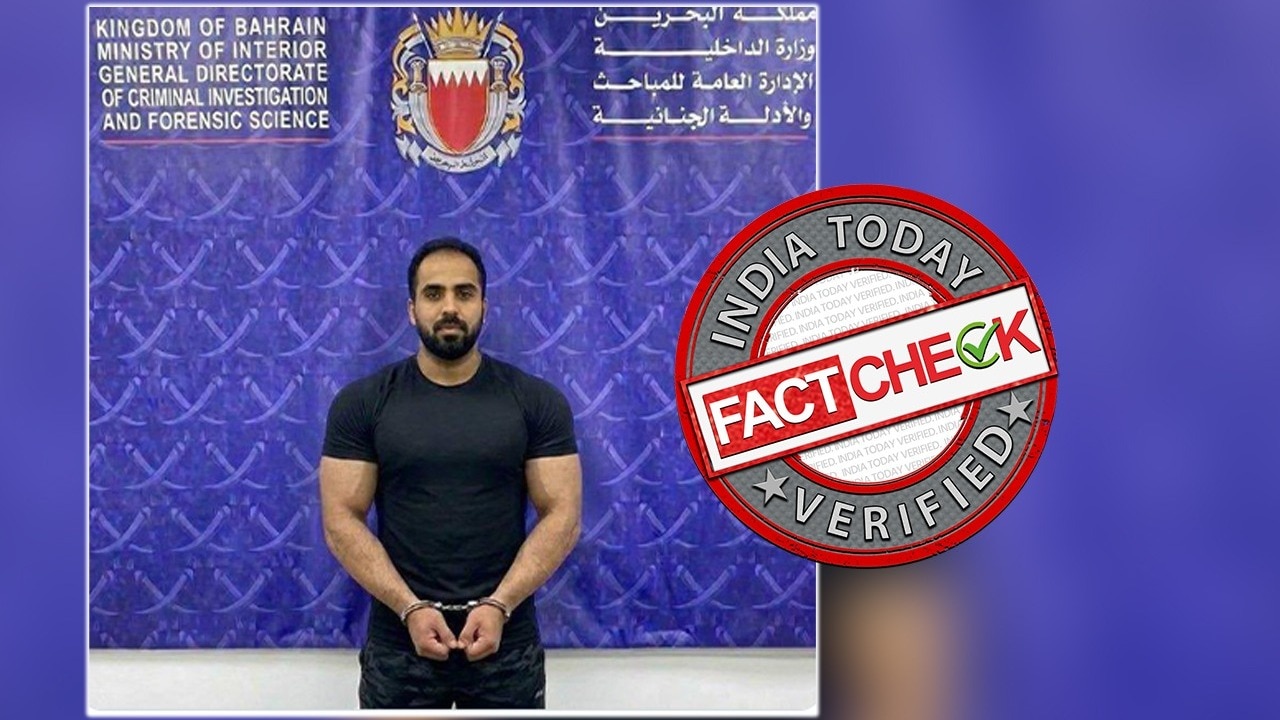
The incident has gained international attention after misleading information began circulating on social media platforms. Several Pakistani news outlets and social media accounts incorrectly reported that an Indian telecommunications engineer named Nitin Mohan was among those arrested on espionage charges. These reports falsely claimed Mohan had been collecting sensitive geospatial data and transferring it to Israel’s intelligence agency, Mossad.
An investigation by fact-checkers has determined these claims are baseless. The widely shared image purporting to show Mohan in custody displays several technical inconsistencies that suggest it was artificially generated. Digital analysis revealed unnatural elements including misaligned eye reflections, blurred hand features, and unrealistic handcuff links.
Official records from Bahrain’s Police Media Centre confirm that the six individuals arrested on March 9 included five Pakistani nationals—identified as Afzal Khan, Muhammad Muaz Akbar, Ahmad Mumtaz, Arsalan Sajid, and Abdul Rahman Abdul Sattar—and one Bangladeshi citizen, Muhammad Israfil Mir. No Indian nationals were among those detained.
According to Gulf Daily News, a prominent Bahraini news outlet, the arrests were carried out by the anti-cybercrime department of the General Directorate of Anti-Corruption and Economic and Electronic Security. The suspects were specifically charged with “filming and sharing videos of Iranian aggression and glorifying hostile acts that could disturb security and public order,” reflecting Bahrain’s strict policies on content deemed potentially destabilizing.
The spread of misinformation prompted India’s Ministry of External Affairs to issue a statement on March 10, categorically denying the claims as “false and baseless.” This diplomatic clarification underscores the potential for regional tensions to be inflamed by misinformation in today’s digital landscape.
The incident highlights ongoing geopolitical sensitivities in the Gulf region, where Bahrain—a close ally of Saudi Arabia and home to the U.S. Navy’s Fifth Fleet—frequently expresses concerns about Iranian influence. The kingdom has previously accused Iran of supporting opposition groups within its borders, allegations Tehran consistently denies.
Media analysts note this case demonstrates the increasing sophistication of digitally manipulated content and its potential to create diplomatic tensions. The rapid spread of the false narrative across multiple news outlets before verification illustrates the challenges faced by governments and media organizations in combating misinformation.
This is not the first time fabricated news involving alleged espionage has circulated in the region. Similar incidents have occurred in recent years, often exploiting existing geopolitical tensions between nations with historically complex relationships.
The Bahraini government continues to monitor online activity closely, particularly content related to national security matters. The country’s cybersecurity laws permit authorities to take action against individuals they perceive to be sharing sensitive information or materials that could undermine public order.
As regional tensions persist, officials from multiple countries have called for responsible reporting and verification of claims before publication, particularly on matters related to national security and international relations.
Fact Checker
Verify the accuracy of this article using The Disinformation Commission analysis and real-time sources.

12 Comments
This incident underscores the need for robust fact-checking and media literacy, particularly in an age of rapidly evolving technologies like AI. Vigilance is required to combat the spread of misinformation.
Well said. Fact-checking and media literacy are crucial tools in an increasingly complex information landscape. Responsible reporting and verification of claims should be the top priority.
The use of AI-generated imagery to falsely implicate individuals is a concerning development. It highlights the importance of critical thinking and verifying information before drawing conclusions.
Absolutely. In today’s digital age, we must be vigilant and scrutinize the sources and authenticity of information, especially when it comes to sensitive national security matters.
This case highlights the complexities involved in national security and regional geopolitics. Balancing transparency, privacy, and national interests is an ongoing challenge.
You raise a fair point. Maintaining public trust while addressing legitimate security concerns requires a delicate approach from authorities.
The potential implications of this case, if true, would be quite serious. However, it’s reassuring to see the efforts to separate fact from fiction through digital analysis.
I agree. Maintaining transparency and due process is vital, even in matters of national security. Rushing to judgment based on unverified claims can be counterproductive.
The reporting on this incident seems to have been rather murky. I’m glad the fact-checkers were able to identify the image as AI-generated, which should caution us against jumping to conclusions.
Absolutely, verifying the accuracy of information is crucial, especially when it involves sensitive national security matters. Responsible reporting and fact-checking are essential.
Interesting development in the region. While espionage allegations can be concerning, it’s important to verify claims and avoid spreading misinformation. Fact-checking the details is crucial before jumping to conclusions.
Agreed, the use of AI-generated imagery to falsely implicate individuals is quite troubling. Rigorous investigation is needed to uncover the truth and prevent the spread of disinformation.