


Listen to the article
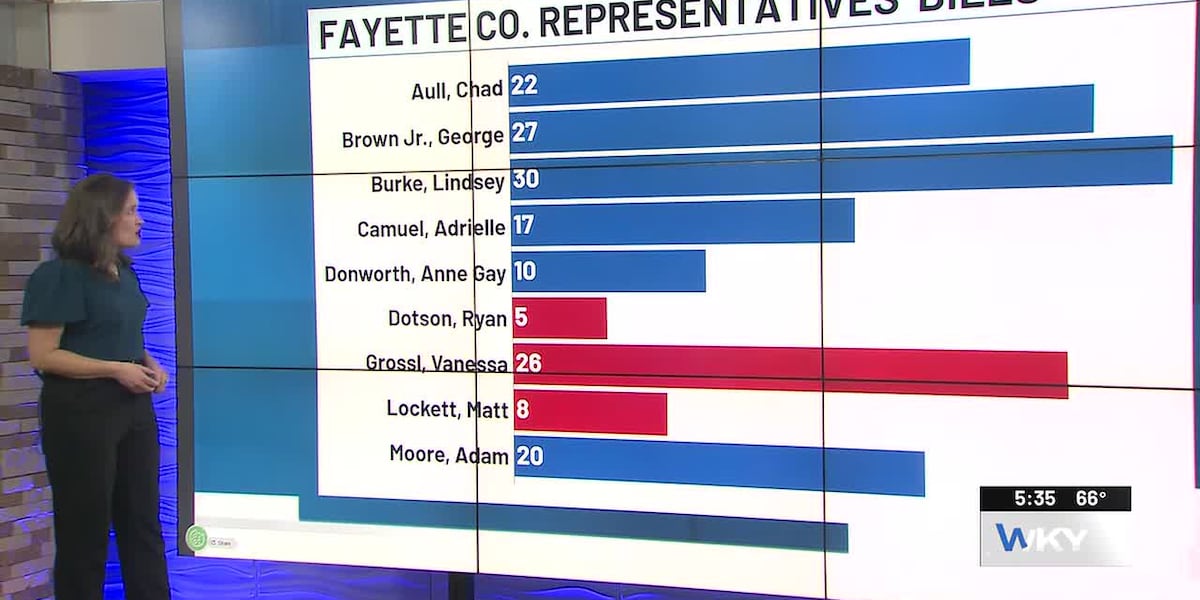
Kentucky lawmakers in Fayette County have put forward an unprecedented volume of legislative proposals this session, with House representatives alone filing more than 160 bills aimed at addressing a wide range of issues affecting the state.
The flurry of activity from Fayette County’s delegation reflects the increasingly complex challenges facing Kentucky’s second-largest county and its seat, Lexington, which serves as a major economic and cultural hub for the Commonwealth.
Representative George Brown Jr., a veteran Democratic lawmaker representing Lexington’s urban core, has been particularly active, focusing on bills addressing affordable housing, criminal justice reform, and education funding. “Our community faces unique challenges that require thoughtful legislative solutions,” Brown said in a recent committee hearing. “Many of these bills are direct responses to constituent concerns we’ve heard over the past year.”
The legislative package from Fayette County representatives spans partisan lines, with Republican members like Representative Daniel Fister championing measures on economic development, tax reform, and infrastructure improvements crucial to the region’s growing population.
Notably, several bills address Lexington’s pressing urban issues, including a proposal to expand rental assistance programs and another that would create tax incentives for developers to build more affordable housing units – a critical need as the city’s real estate market continues to see rising prices that outpace wage growth.
Education has emerged as another priority area, with multiple bills focusing on funding for the University of Kentucky and the Kentucky Community and Technical College System, both of which have significant presences in Fayette County and contribute substantially to the local economy. One proposal would increase state appropriations for research initiatives at UK’s medical and agricultural programs, potentially bolstering the university’s national standing.
Public safety measures figure prominently in the legislative package as well. Representative Lindsey Burke has introduced bills strengthening domestic violence protections and expanding resources for law enforcement mental health programs. “We need comprehensive approaches to public safety that address root causes while supporting our first responders,” Burke explained during a recent press conference.
The high number of filings from Fayette County representatives marks a significant increase from previous sessions. Political analysts attribute this surge to several factors, including the growing complexity of urban governance, increased constituent engagement following the pandemic, and the county’s evolving demographic and economic profile.
Dr. Stephen Voss, a political science professor at the University of Kentucky, notes this level of activity is unusual. “We’re seeing Fayette County’s delegation asserting itself more forcefully in state politics, reflecting both the county’s growing importance to Kentucky’s economy and the intensifying needs of an increasingly diverse urban center,” Voss explained.
Not all the proposed legislation is expected to advance, particularly in a legislative session where budgetary concerns remain paramount. House leadership has already indicated that bills with significant fiscal implications will face heightened scrutiny in a year when state resources are stretched thin.
Senator Reggie Thomas, who represents portions of Fayette County in the state Senate, welcomed the House members’ ambitious agenda but cautioned about the realities of the legislative process. “The volume of bills reflects our colleagues’ commitment to their constituents, but the challenge will be identifying which proposals can realistically move forward in this budget environment,” Thomas said.
The unprecedented legislative activity comes as Lexington grapples with rapid growth, placing strains on infrastructure, housing, and public services. The city has seen its population increase by nearly 10% over the past decade, creating both economic opportunities and governance challenges.
As the legislative session continues, committee hearings will determine which of the 160-plus bills from Fayette County representatives advance to floor votes. Legislative analysts predict that while many proposals may not become law this session, they establish important policy frameworks that could shape future legislative priorities for Kentucky’s urban centers.
Fact Checker
Verify the accuracy of this article using The Disinformation Commission analysis and real-time sources.

9 Comments
It’s good to see lawmakers responding to constituent concerns. That’s what the democratic process should be all about. Curious to see how these bills fare and what kind of impact they could have on the ground.
Agreed. Grassroots engagement and responsiveness are crucial for effective governance. The devil will be in the details, but the intent seems positive.
Representative Brown’s focus on affordable housing, criminal justice, and education funding is noteworthy. Those are critical issues for any urban area. It will be worth following how those bills progress and what kind of impact they could have.
Agreed. Addressing the needs of an economically and socially diverse community like Lexington requires a multifaceted approach. I hope the representatives can find common ground and pragmatic solutions.
160 bills is an impressive volume. I hope the representatives can maintain focus and avoid getting bogged down in partisan bickering. Addressing the region’s challenges will require pragmatic, solution-oriented policymaking.
Interesting to see such a high volume of bills from Fayette County representatives. Seems like they’re really trying to address a wide range of issues affecting their constituents. I’m curious to learn more about the specific proposals and how they’re being received.
The bipartisan nature of the legislative package is encouraging. Economic development, tax reform, and infrastructure are bread-and-butter issues that affect everyone. It will be interesting to see if this level of cooperation can be maintained.
Absolutely. Bridging the partisan divide to tackle practical concerns is often the key to effective policymaking. Hopefully this sets a positive tone for the rest of the session.
With Fayette County being such an important economic and cultural hub for Kentucky, I’m not surprised to see the representatives so active. The challenges facing the region are multifaceted, so a comprehensive legislative approach makes sense.