


Listen to the article
Fact Check: Trump’s Alleged Anti-Republican Quote Revealed as Fabrication
A widely circulated quote attributed to former U.S. President Donald Trump, in which he purportedly disparaged Republican voters, has been confirmed as fabricated, according to recent fact-checking efforts.
The viral claim suggests Trump told People magazine in 1998: “If I were to run, I’d run as a Republican. They’re the dumbest group of voters in the country. They believe anything on Fox News. I could lie and they’d still eat it up. I bet my numbers would be terrific.”
People magazine has categorically denied the existence of such an interview, stating it “couldn’t find anything remotely like this quote” in its archives. This fabrication represents what media literacy experts call a “zombie claim” – false information that continues to resurface despite being repeatedly debunked.
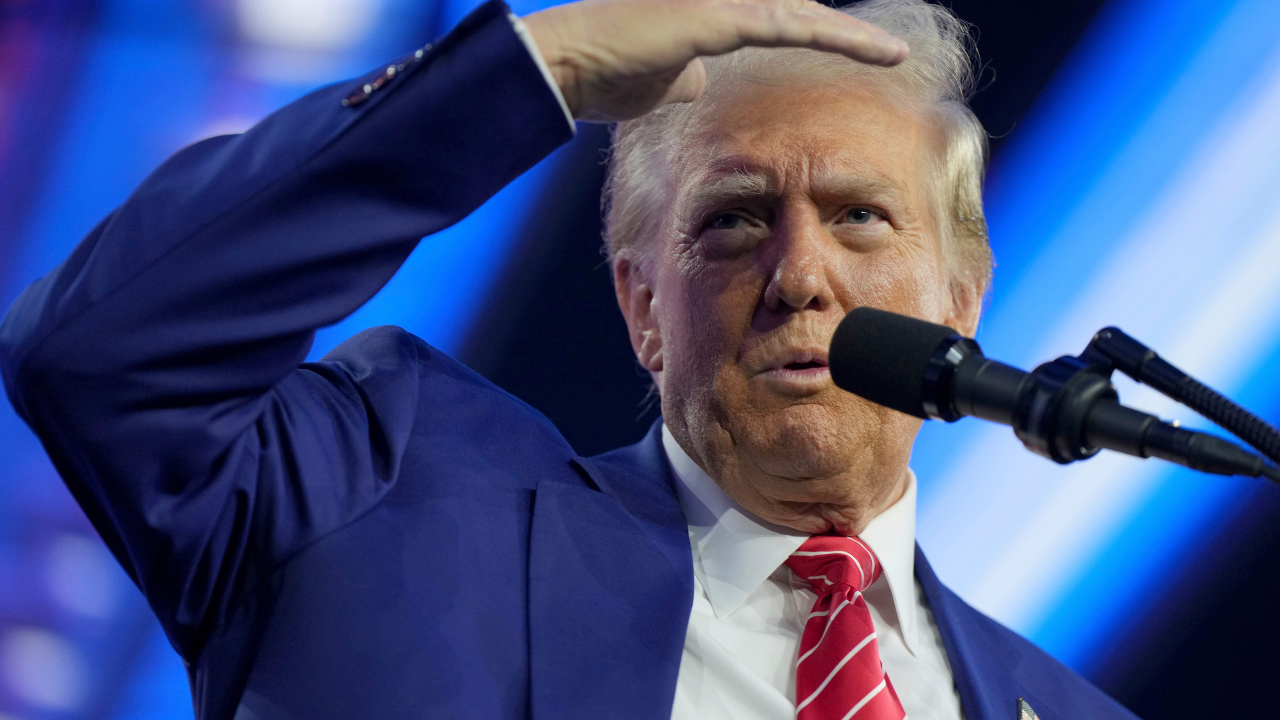
Further undermining the claim’s credibility, the image accompanying many posts featuring the quote is actually from Trump’s 1988 appearance on The Oprah Winfrey Show – a full decade before the alleged People magazine interview. During that actual television appearance, Trump’s comments about potentially running for office were substantially different from the fabricated quote.
When Winfrey asked about presidential ambitions, Trump responded: “Probably not, but I do get tired of seeing the country ripped off… I just don’t really think I really have the inclination to do it. I love what I’m doing, I really like it… I just probably wouldn’t do it, Oprah.”
He continued with remarks that showed uncertainty rather than calculation: “I probably wouldn’t. But I do get tired of seeing what’s happening with this country, and if it got so bad, I would never want to rule it out totally because I really am tired of seeing what’s happening with this country, how we’re really making other people live like kings and we’re not.”
The persistence of this false quote highlights the challenges of information verification in today’s digital landscape. Fabricated quotes often gain traction because they align with preexisting beliefs about public figures, making them particularly potent forms of misinformation.
Political misinformation experts note that such fabrications can be especially damaging during election cycles. Dr. Claire Wardle, co-founder of the Information Futures Lab at Brown University, has previously described how false quotes attributed to political figures can “harden partisan divisions and undermine trust in the political process overall.”
The timing of this recirculated claim coincides with the heightened political atmosphere of the 2024 presidential campaign, in which Trump is seeking to regain the presidency. Such fabrications can quickly spread across social media platforms where verification mechanisms remain inconsistent.
Media literacy advocates emphasize the importance of checking primary sources before sharing political content. In this case, a simple verification with People magazine or reviewing Trump’s actual 1988 Oprah interview would reveal the discrepancy between the authentic record and the fabricated quote.
This incident serves as a reminder of how digital-age misinformation often combines elements of truth – such as using a real image of Trump from a genuine television appearance – with completely fabricated content to create persuasive but false narratives.
As election-related content continues to dominate social media feeds, fact-checkers urge users to approach viral political quotes with skepticism, particularly those that seem designed to provoke strong emotional responses along partisan lines.
Fact Checker
Verify the accuracy of this article using The Disinformation Commission analysis and real-time sources.

8 Comments
I’m glad to see this fabricated quote being debunked. It’s important for the public to have access to accurate information, especially when it comes to statements made by prominent political figures. Fact-checking is an essential part of maintaining media integrity.
This is a good example of why it’s so important to be skeptical of viral claims, even if they seem plausible. It’s all too easy for false information to spread quickly online. Kudos to the fact-checkers for setting the record straight on this one.
Fabricated quotes like this are problematic because they can shape public perception and discourse, even if they’re not true. I’m glad to see this one being corrected, but it highlights the ongoing challenge of combating the spread of misinformation online.
This is a good reminder to always approach viral claims with a critical eye and to verify the source before sharing or believing them. Fact-checking efforts are essential for maintaining the integrity of our information landscape.
This seems like a classic case of misinformation. It’s concerning how easily false narratives can take hold, even when the original source material doesn’t support them. Fact-checking efforts are crucial to combat the spread of disinformation.
Absolutely. Rigorous fact-checking is the best way to combat the proliferation of fake news and misleading claims. It’s encouraging to see media outlets taking the time to thoroughly investigate these issues.
While I’m not surprised to see this quote being debunked, it’s still concerning that it managed to gain so much traction. It just goes to show how quickly misinformation can spread, even when it’s completely fabricated. Fact-checking is crucial for maintaining public trust.
Interesting fact-check. It’s always important to verify quotes and claims, especially with public figures. Fabricated statements can spread quickly online, so it’s good to see the facts being corrected here.