


Listen to the article
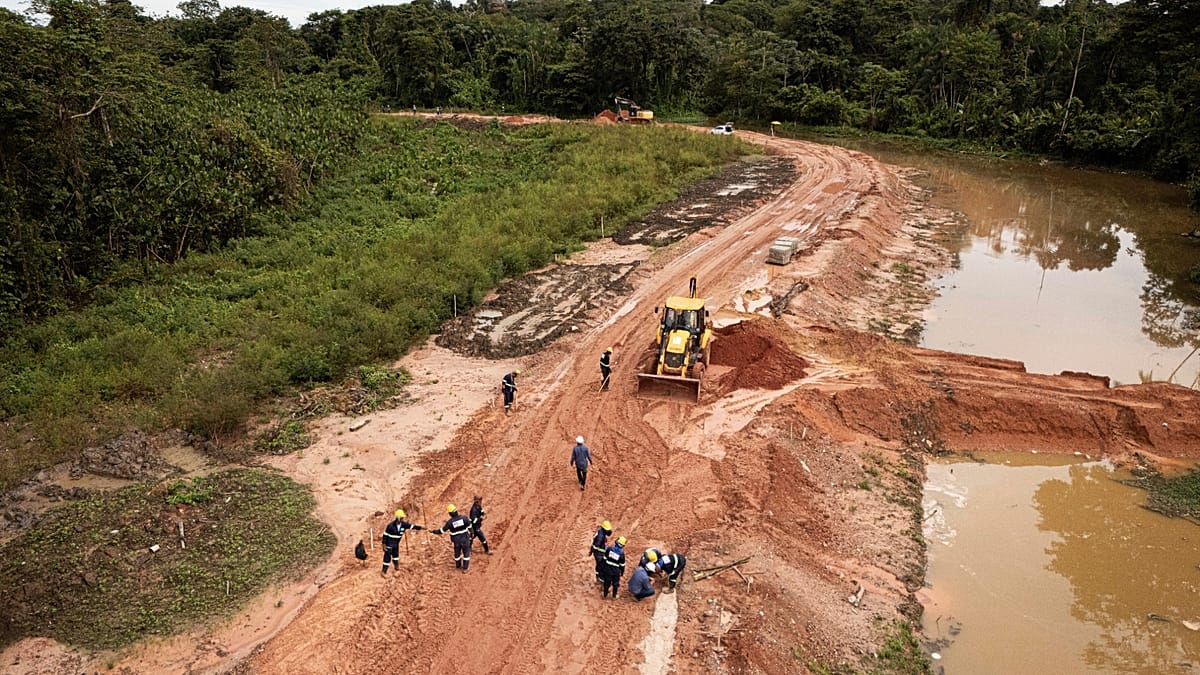
As European leaders gather for the COP30 climate summit, misinformation has begun circulating online regarding infrastructure in the Amazon region. Multiple social media posts and online forums have falsely claimed that the Avenida Liberdade, a 13-kilometer four-lane highway cutting through parts of the Amazon rainforest, was constructed specifically to accommodate the international climate conference.
Environmental experts and local officials have quickly moved to debunk these assertions, clarifying that the highway predates planning for COP30 by several years. The Avenida Liberdade project was initially approved in 2019 as part of a broader regional development plan aimed at connecting isolated communities and improving economic access in Brazil’s northern states.
“These claims represent a fundamental misunderstanding of both the timeline and purpose of this infrastructure,” said Maria Fernandez, a spokesperson for Brazil’s Ministry of Infrastructure. “The Avenida Liberdade was designed and partially constructed well before Brazil was selected as the COP30 host country.”
The controversy highlights the tension between development needs and environmental concerns that has long characterized infrastructure projects in the Amazon region. Brazil, which contains approximately 60% of the Amazon rainforest, has struggled to balance economic growth with preservation efforts in a region often described as “the lungs of the Earth.”
Environmental organizations have criticized the highway since its inception, pointing to research showing that roads through pristine rainforest typically lead to increased deforestation. Studies from the Amazon Environmental Research Institute indicate that up to 95% of Amazon deforestation occurs within 5.5 kilometers of roads or navigable rivers.
“While this highway wasn’t built for COP30, it does represent the kind of development that directly contradicts climate goals being discussed at the summit,” said Paulo Moutinho, a senior researcher at the institute. “The irony isn’t lost on anyone familiar with the region’s challenges.”
The spreading of this misinformation comes at a particularly sensitive moment, as climate negotiators from more than 190 countries work to finalize ambitious new targets for reducing greenhouse gas emissions. Brazil, under its current administration, has positioned itself as a leader in climate action after previous governments were criticized for weakening environmental protections.
Local journalists tracking the false claims note they first appeared on fringe websites before gaining traction through social media accounts with substantial followings. Several posts featuring the misinformation have received millions of views, with engagement peaking as world leaders arrived for the summit’s opening ceremonies.
Tech platforms have implemented measures to flag and reduce the spread of the false information, though critics argue these efforts came too late to prevent widespread circulation of the claims.
The Avenida Liberdade itself remains controversial regardless of its connection to COP30. Supporters point to economic benefits for isolated communities, including access to healthcare, education, and markets for local products. Critics maintain that such infrastructure inevitably accelerates destruction of one of the planet’s most crucial carbon sinks.
Regional governor Carlos Mendes defended the highway in a statement: “We cannot ask people living in the Amazon to forego basic infrastructure that the rest of the world takes for granted. The challenge is finding sustainable development pathways that serve both people and the planet.”
As COP30 continues, the controversy serves as a reminder of the complex realities facing climate negotiators. While global agreements focus on ambitious targets and technological solutions, local communities grapple with immediate needs that sometimes conflict with long-term environmental goals.
Fact-checking organizations have urged media outlets to carefully verify information related to the summit, noting that misinformation can undermine public trust in climate science and policy solutions at a critical moment for global climate action.
Fact Checker
Verify the accuracy of this article using The Disinformation Commission analysis and real-time sources.

13 Comments
The Amazon rainforest is such a vital global resource, so it’s understandable that any infrastructure projects there would be closely scrutinized. Good to see the timeline and rationale for this highway being explained in detail.
This highlights the complexity of balancing development needs with environmental protection in the Amazon region. It’s good that officials were quick to clarify the timeline and purpose of this highway project. Fact-checking is crucial to avoid the spread of misinformation.
Absolutely. Misinformation can really muddy the waters on important environmental issues. Glad to see the facts being laid out clearly here.
This is a good example of why it’s important to fact-check claims, especially around sensitive environmental issues like the Amazon. Glad the ministry was able to provide the proper context and timeline for this infrastructure project.
Appreciate the efforts to clear up the facts around this highway project in the Amazon. It’s easy for misinformation to spread, so it’s good to see the timeline and purpose being explained clearly.
It’s encouraging to see officials addressing misinformation head-on and providing the facts around this highway project in the Amazon. Maintaining open communication on these complex issues is so important.
Interesting to see the facts behind the claims around the Avenida Liberdade highway in the Amazon. Sounds like it was a pre-existing infrastructure project, not built specifically for COP30. Important to get the details right when discussing environmental issues.
The Amazon is such a complex, contentious issue. It’s encouraging to see officials addressing misinformation head-on and providing the facts. Maintaining open communication on these matters is crucial.
Absolutely. Transparency and fact-based dialogue are key when it comes to navigating the challenges around development and environmental protection in the Amazon.
This highlights the importance of verifying claims, especially when it comes to high-profile environmental issues like the Amazon. Glad the ministry was able to provide the proper context around this infrastructure project.
Agreed. Fact-checking is so crucial, especially on topics that are often politicized. Good to see the details being laid out transparently here.
Curious to learn more about this regional development plan and how it aims to improve economic access while protecting the rainforest. Finding that balance is crucial. Glad the facts are being laid out here to counter the misinformation.
Agreed, it’s a delicate balance that requires careful planning and transparency. Appreciate the effort to clarify the details around this highway project.