


Listen to the article
In a flurry of misinformation surrounding recent military conflicts, footage claiming to show U.S. strikes on Iranian jets during a March 2026 campaign has been debunked as misdated and potentially misrepresented.
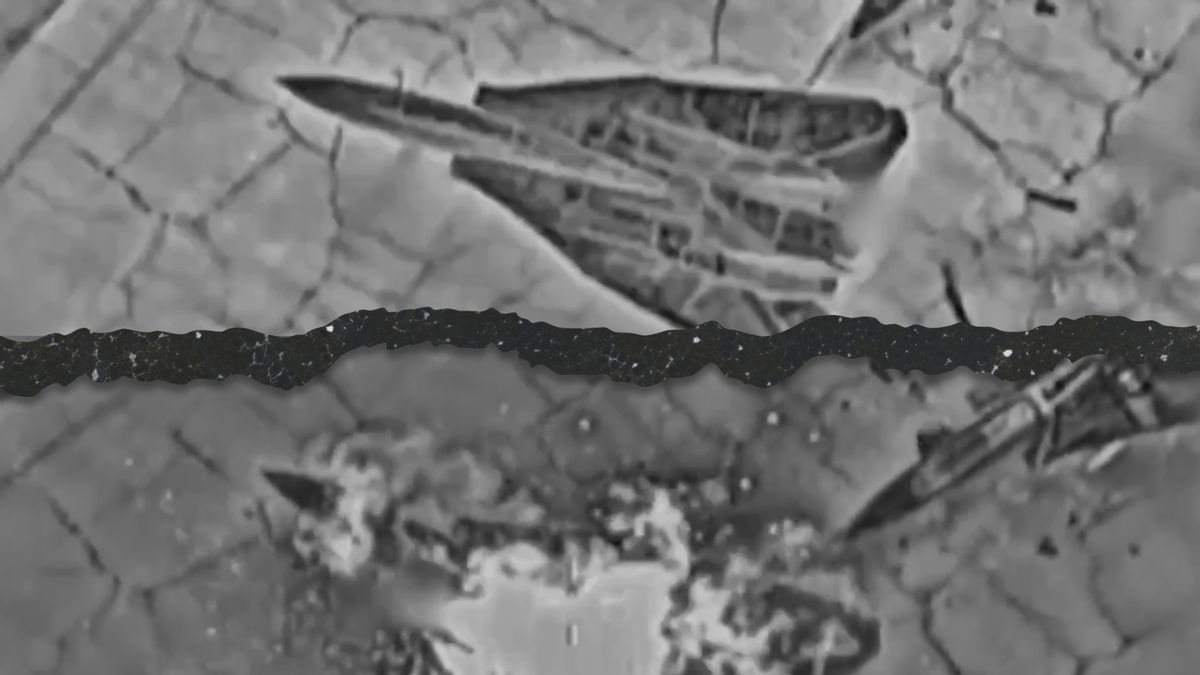
The viral video, which amassed over 10 million views on X (formerly Twitter), purportedly showed American forces targeting Iranian F-14 fighter jets in Tehran. Many social media users claimed these were merely decoy drawings rather than actual aircraft, with one popular post declaring: “The US has been bombing drawings of F-14s this entire time… The Iranians put their jets underground before the war began.”
However, fact-checking reveals the footage was actually released by the Israeli military in June 2025, nearly nine months before the claimed date. The Israeli Defense Forces (IDF) originally shared the video as part of their operations over Tehran, specifically describing it as a “strike on two F-14 fighter jets that were located at an airport in Tehran.”
The IDF’s original post detailed that the targeted jets “were intended to intercept Israeli aircraft” and claimed their forces had also “thwarted a UAV launch attempt toward Israel” and “eliminated a launch cell minutes before launch.”
The false dating of the video highlights the ongoing challenge of verifying military footage in an era of rapid information sharing across social platforms including Facebook, YouTube, and X. The original content was repurposed and presented with an entirely new context, misleading millions of viewers about both the timing and participants in the strike.
Adding to the confusion, X’s artificial intelligence chatbot, Grok, responded to user queries by asserting the video showed “US/Israeli strikes on painted 2D decoy F-14 silhouettes (static mock-ups) at Tehran’s Mehrabad Airport—not real jets.” This claim received thousands of likes, further amplifying the narrative about decoy targets, though independent verification of whether the aircraft were indeed decoys remains elusive.
The misleading information circulated against the backdrop of significant military operations. According to Admiral Brad Cooper, commander of U.S. Central Command, American forces had struck nearly 200 targets in Iran over a 72-hour period in early March 2026, as reported in a joint news conference with Secretary of Defense Pete Hegseth.
This case illustrates the complex media landscape surrounding modern military conflicts, where authentic footage can be repurposed with false contexts to create misleading narratives. The rapid spread of such content across multiple platforms demonstrates the challenges facing both users and platforms in verifying the authenticity and context of military footage.
Military analysts note that the use of decoys has historically been a common tactic in warfare, with countries often deploying dummy targets to confuse enemy intelligence. However, without additional verification from independent sources, claims about the nature of the targets in this specific footage remain speculative.
The incident also highlights the increasing role of artificial intelligence in both spreading and analyzing claims about military operations, with Grok’s unverified assessment receiving significant attention despite the absence of confirmed evidence.
As tensions continue in the region, the ability to accurately identify and contextualize military footage remains crucial for public understanding of ongoing conflicts and their implications for international relations.
Fact Checker
Verify the accuracy of this article using The Disinformation Commission analysis and real-time sources.
