


Listen to the article
EU-Ukraine Support Loan Faces Hurdles Amid Hungary Veto
A recent post on social media by European Parliament President Roberta Metsola has sparked confusion and misinformation regarding the European Union’s €90 billion support loan to Ukraine, a package designed to bolster Kyiv’s budget and defense capabilities during Russia’s ongoing invasion.
The confusion arose after Hungary announced it would block both the loan—which EU leaders had agreed upon in December—and a new sanctions package against Russia, citing a dispute over oil supplies. Shortly after Hungary’s announcement, Metsola shared on X (formerly Twitter) that she had signed the Ukraine support loan on behalf of the European Parliament.
Her announcement triggered widespread misinterpretation, with many observers incorrectly concluding that Hungary’s veto had been bypassed or ignored. In reality, Metsola’s signature represents just one step in the EU’s complex legislative process and does not indicate that the loan has been fully approved or implemented.
The EU’s legislative procedure requires that such financial packages receive approval from both the European Parliament and the European Council. Because the Ukraine support loan necessitates amendments to EU budgetary rules, it ultimately requires unanimous approval from all 27 member states—meaning any single country, including Hungary, can effectively veto the proposal.
The loan package itself emerged after EU leaders failed to reach consensus in December on a plan to use frozen Russian assets to fund Ukraine’s defense efforts. Instead, they pivoted to creating a substantial financial aid package to help Kyiv meet its immediate budgetary and military needs over the coming two years.
On January 14, the European Commission formally introduced legislative proposals to ensure continued financial support for Ukraine through 2026 and 2027. These proposals included establishing the €90 billion Ukraine support loan, amendments to the Ukraine Facility (the EU’s instrument for delivering budgetary assistance), and changes to the EU’s multiannual financial framework to secure the loan with unused budgetary “headroom.”
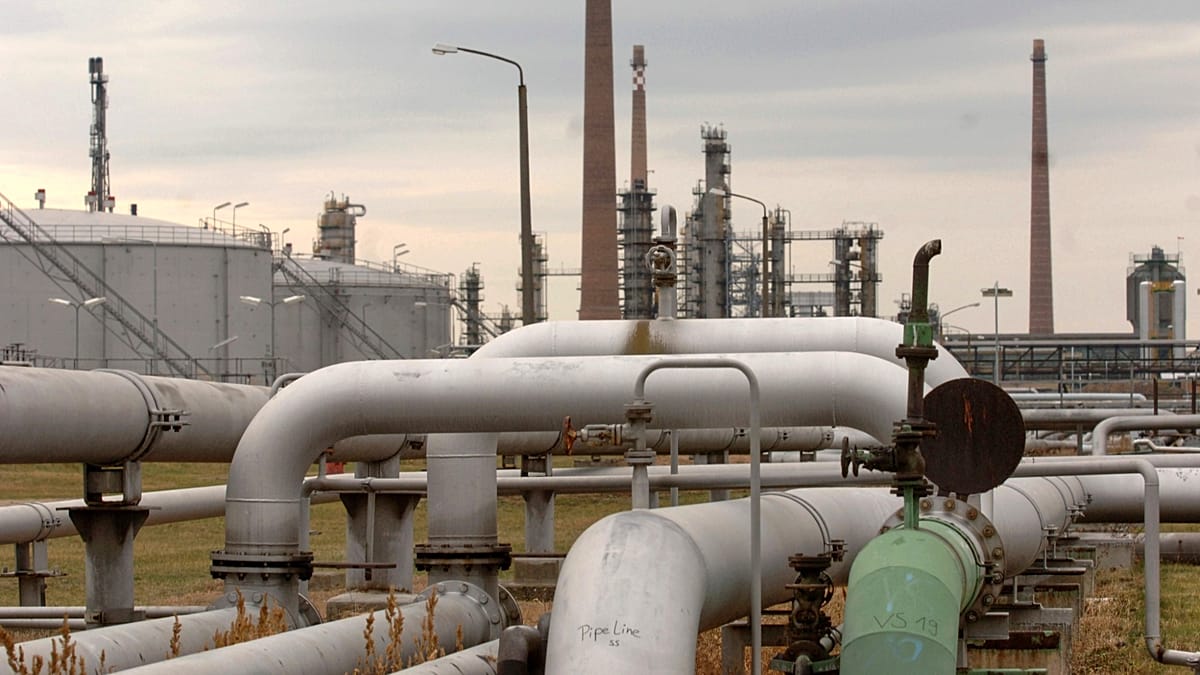
Hungary’s opposition to the loan stems from an ongoing dispute over the Druzhba pipeline, a Soviet-era oil route that carries Russian crude through Ukraine to Hungary and Slovakia. According to the Centre for Research on Energy and Clean Air (CREA), Hungary and Slovakia imported approximately €137 million worth of Russian crude through this pipeline in January alone, operating under a temporary EU exemption from sanctions on Russian oil.
The dispute intensified in late January when oil flows reportedly stopped following what Ukraine described as a Russian air strike that damaged the pipeline’s southern branch in western Ukraine. Hungary has contested this explanation, with Prime Minister Viktor Orbán accusing Ukraine of deliberately blocking the pipeline’s use.
Ukrainian President Volodymyr Zelenskyy, speaking alongside European Commission President Ursula von der Leyen and European Council President António Costa in Kyiv, maintained that Russian attacks had indeed damaged the pipeline. He added that repairs would be dangerous and could not be executed quickly without putting Ukrainian military personnel at risk.
The situation escalated further after reports emerged of Ukraine striking a Russian pumping station serving the pipeline. In response, Orbán ordered heightened security at Hungary’s critical infrastructure sites, claiming Kyiv was attempting to disrupt Hungary’s energy supply system.
This standoff illustrates the complex interplay between energy security, military aid, and regional politics that continues to shape Europe’s response to Russia’s invasion of Ukraine, now entering its third year with no immediate resolution in sight.
Fact Checker
Verify the accuracy of this article using The Disinformation Commission analysis and real-time sources.

9 Comments
Bypassing Hungary’s veto would be a bold move by the EU, but the need for Ukraine’s support is critical. I’m curious to learn more about the legalities and precedents around such a maneuver.
Agreed, the EU will have to tread carefully here to ensure any action on the Ukraine loan is legally sound and doesn’t set a problematic precedent.
It’s good to see the European Parliament taking steps to advance this aid package for Ukraine, even as Hungary’s veto poses a challenge. Ukraine needs all the support it can get.
The €90 billion support loan for Ukraine’s budget and defense seems like a critical piece of assistance amid the ongoing Russian invasion. I hope the EU can work through the approval process despite Hungary’s opposition.
Agreed, Ukraine needs all the support it can get right now. Hopefully the EU can find a way to get this loan approved and delivered to Kyiv soon.
The details around the EU’s legislative process for approving this Ukraine support loan are quite complex. I’ll be following this story closely to see how it unfolds.
Interesting to see how the EU is navigating this tricky situation with Hungary’s veto. Curious to learn more about the legislative process and whether they can find a way to provide the much-needed aid to Ukraine.
This is a delicate political situation with Hungary blocking the EU’s aid package for Ukraine. I’m curious to see if the EU can navigate around the veto or if they’ll need to find another solution.
Overcoming Hungary’s opposition will be tricky, but the EU can’t let that stop them from providing vital financial support to Ukraine during this crisis.