


Listen to the article
False Video Claim Circulates Amid Tensions in Middle East
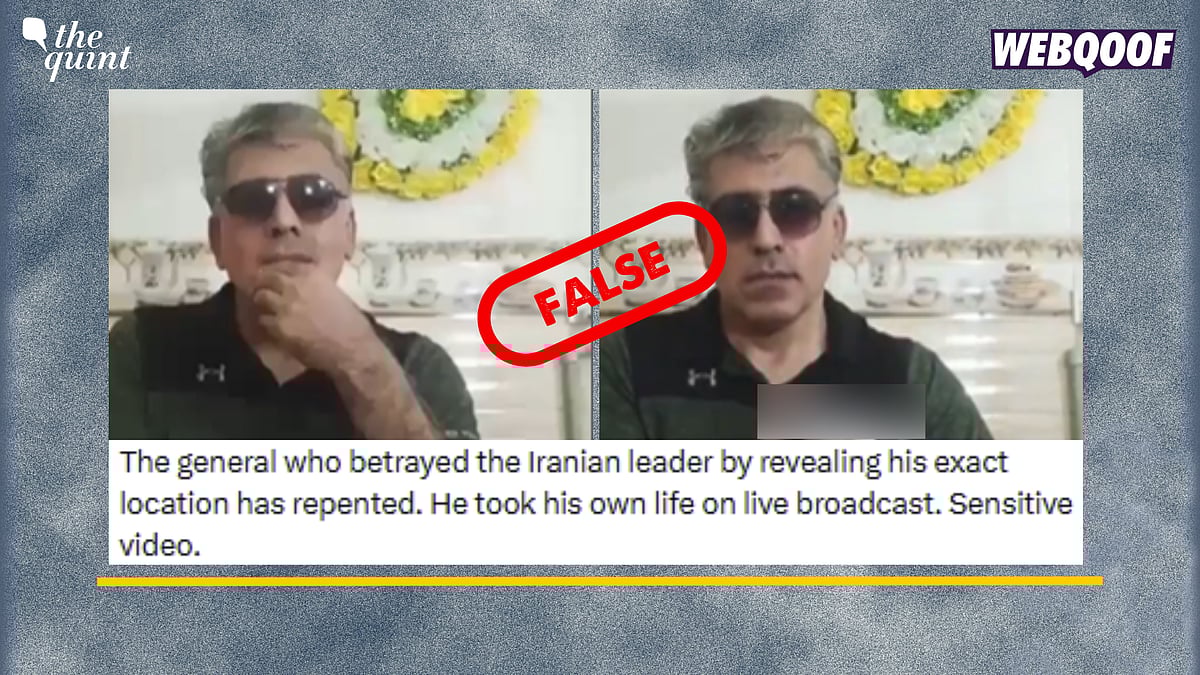
A disturbing video depicting a man’s suicide is being falsely shared across social media platforms with fabricated claims connecting it to recent geopolitical events in the Middle East. The video, which shows a man fatally shooting himself, has been misleadingly presented as footage of an Iranian general who supposedly betrayed Supreme Leader Ayatollah Ali Khamenei.
Social media users sharing the graphic content have attached a false narrative suggesting the man was a military official who disclosed Khamenei’s location, allegedly leading to the Supreme Leader’s death in strikes attributed to Israel and the United States. However, fact-checking reveals this narrative is entirely fabricated.
The video in question has been traced back to October 15, 2024, and has no connection to Iranian military or political figures. According to regional news reports, the footage actually shows Zahir Aminian, a resident of Baneh in southern Kurdistan, who tragically took his own life during an Instagram Live broadcast.
This false claim emerges amid heightened tensions across the Middle East, where misinformation often spreads rapidly during periods of conflict or political instability. The fabricated narrative appears designed to exploit existing anxieties about regional security and ongoing power struggles.
Misinformation of this nature is particularly dangerous as it combines graphic content with fabricated geopolitical implications. Social media platforms have struggled to contain the spread of such content, which often circulates before content moderation systems can respond effectively.
The incident highlights the persistent challenge of digital misinformation during international crises. False narratives can shape public perception and potentially influence diplomatic relations, especially when they involve major regional powers like Iran and alleged actions by countries such as Israel and the United States.
Mental health experts warn that the sharing of suicide videos, regardless of the attached narrative, can be harmful to vulnerable viewers and disrespectful to the deceased and their families. Most major social media platforms prohibit such content, but enforcement remains challenging, particularly when videos are rapidly shared across multiple platforms and private channels.
Digital literacy experts emphasize the importance of critical assessment before sharing emotionally charged content, particularly during periods of international tension when misinformation is prevalent. They recommend verifying information through multiple credible sources before accepting or sharing claims, especially those involving graphic content or major geopolitical developments.
The circulation of this false narrative also underscores how real tragedies can be exploited and repurposed to serve political narratives. The real story—a personal tragedy in Kurdistan—has been erased and replaced with a fictional account involving international espionage and military strikes.
Regional experts note that the fabrication plays into existing conspiracy theories about leadership dynamics in Iran and external threats to the country’s sovereignty, making it particularly likely to gain traction among certain audiences despite its lack of factual basis.
As tensions continue across the Middle East, media consumers are encouraged to exercise heightened vigilance regarding unverified claims, particularly those involving graphic content or assertions about high-profile political figures and military actions.
Fact Checker
Verify the accuracy of this article using The Disinformation Commission analysis and real-time sources.
