


Listen to the article
A diplomatic incident in New Delhi has sparked outrage among journalists after women reporters were barred from attending a press briefing with a Taliban official, raising serious questions about media freedom and gender equality in international relations.
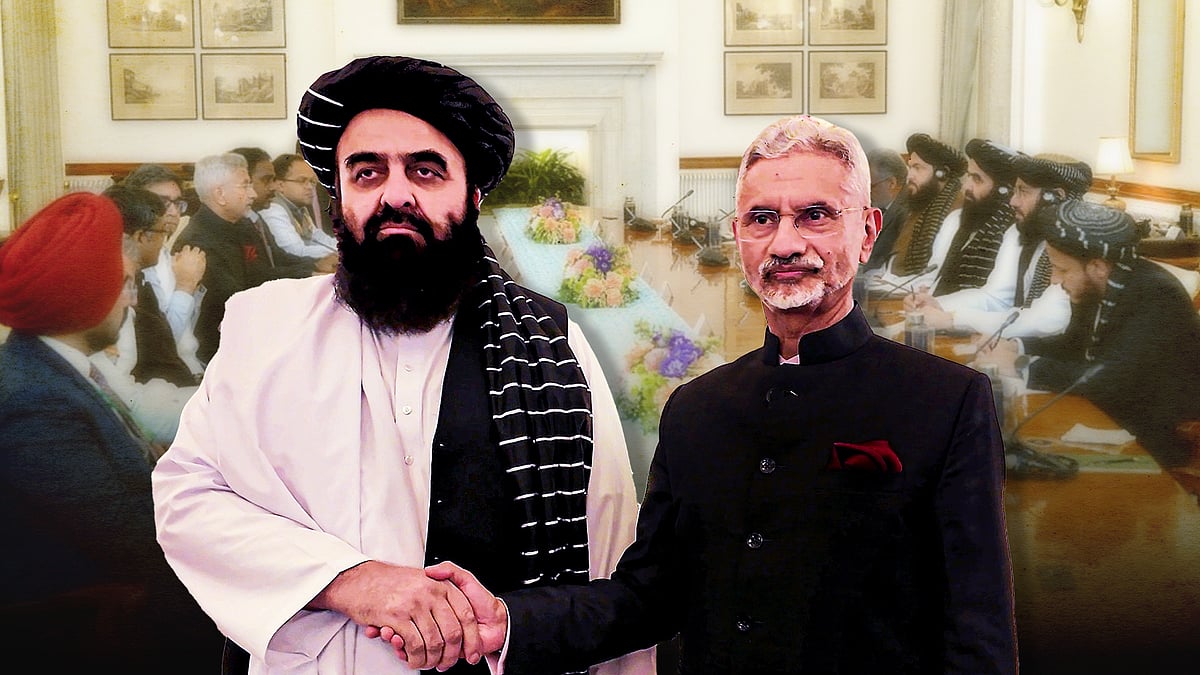
The controversy erupted when Afghan Taliban leader Amir Khan Muttaqi visited India’s capital for talks, but female journalists were explicitly excluded from covering the event. The decision has drawn sharp criticism from media professionals and rights advocates who view it as a troubling concession to the Taliban’s restrictive gender policies.
Women journalists have made significant strides in Indian media over recent decades, becoming prominent as presenters, reporters, and analysts in fields once dominated by men. They now regularly cover foreign affairs, defense, business, and finance—areas that were largely inaccessible to women reporters of previous generations. This progress came not through concessions from media leadership but through the journalists proving their professional capabilities.
As journalist Aishwarya Khosla noted about the exclusion, “For women in journalism, the moment struck deeper than diplomacy. It touched a familiar bruise. We have covered wars, elections, and insurgencies. We have been silenced, sidelined, and still stayed in the room. But to be kept out by decree, in the national capital of all places, felt like a definitive punctuation.”
Perhaps most troubling was the complicity of male colleagues who attended the briefing without protest. Not one male journalist objected to their female counterparts being barred, nor did media organizations officially challenge the discriminatory practice. This silence speaks volumes about the current state of media solidarity in India, particularly when compared to international standards of journalistic unity.
In contrast, numerous American news outlets recently surrendered their press credentials rather than sign agreements limiting their freedom to report at certain events. Such principled stands highlight the difference in approaches to protecting journalistic integrity and rights.
The incident also underscores a broader issue in international news coverage—the focus on diplomatic events and tensions rather than the lived realities of ordinary citizens. Since the Taliban’s return to power in August 2021, coverage of Afghanistan has diminished considerably, particularly regarding the devastating impact of Taliban policies on women’s rights and freedoms.
The situation for female journalists in Afghanistan itself has deteriorated dramatically. Before the Taliban takeover, approximately 700 women worked in various media capacities throughout the country. Today, fewer than 100 remain, with only about 7 percent able to function effectively as journalists. Most have been forced to seek asylum abroad or remain hidden at home to avoid repercussions for reporting to foreign news platforms.
Zahra Nader, editor-in-chief of Zan Times, a Canada-based media platform focusing on human rights in Afghanistan, wrote pointedly about the implications of such diplomatic accommodations: “As an Afghan woman journalist, I want to warn you what this message means. When the Indian government receives the Taliban without publicly challenging their record on women’s rights, it crosses the line from diplomacy into complicity.”
The decision to allow gender-based exclusion at an official press event in a democratic nation that constitutionally guarantees equal rights to women has set a dangerous precedent. Critics argue this wasn’t merely a “technical” issue as some officials suggested, but a deliberate policy choice that normalizes discrimination.
Media watchdogs and women’s rights organizations are calling for clearer protocols to ensure such incidents are not repeated in future diplomatic engagements. They emphasize that engaging with regimes like the Taliban doesn’t necessitate accepting their restrictions on press freedom or gender equality.
As India navigates complex diplomatic relationships in its neighborhood, this incident serves as a reminder that the principles of equality and press freedom should remain non-negotiable, even in the pursuit of strategic regional objectives.
Fact Checker
Verify the accuracy of this article using The Disinformation Commission analysis and real-time sources.

20 Comments
This is a concerning step backwards for gender equality in the media. Female journalists have worked tirelessly to earn their place, and any concessions to the Taliban’s restrictive policies are deeply troubling.
I hope the media community continues to put pressure on both the Indian government and the Taliban to ensure equal access and opportunities for women reporters.
It’s disappointing to see the Taliban’s discriminatory policies being accommodated, even by the Indian government. This sends the wrong message and undermines the hard-won progress of women journalists in the region.
Absolutely. The media has an important role to play in challenging such regressive actions and advocating for fundamental freedoms.
The Taliban’s claims of supporting women’s rights are exposed as hollow by this incident. Excluding female journalists from a press briefing is a blatant act of discrimination that the media must challenge and condemn.
Absolutely. The media has a responsibility to scrutinize such claims and ensure that the Taliban’s actions align with their rhetoric.
This is a troubling development for gender equality and media freedom. The Taliban’s restrictive policies should not be tolerated, even in diplomatic settings. Female journalists have worked hard to earn their place in the industry and this sets a dangerous precedent.
I agree. The media must continue to hold the Taliban accountable and push for equal access and rights for women reporters.
This is a concerning step backwards for gender equality in the media. The Indian government’s decision to accommodate the Taliban’s discriminatory policies is deeply troubling and should be widely criticized.
I agree. The media must continue to hold both the Taliban and the Indian government accountable for this decision and push for the equal rights and representation of women journalists.
The Taliban’s claims of supporting women’s rights are clearly at odds with their actions. Excluding female journalists from this event is a blatant violation of press freedom and gender equality. The media must hold them accountable.
Absolutely. The media has a responsibility to scrutinize such claims and ensure that the Taliban’s rhetoric matches their real-world policies and practices.
It’s disheartening to see the Taliban’s restrictive gender policies being accepted, even in a diplomatic setting. The exclusion of female journalists is a clear violation of media freedom and gender equality. The media must hold the Taliban accountable.
Well said. This incident underscores the importance of the media remaining vigilant and continuing to push for the rights and representation of women journalists.
While diplomacy is important, it should never come at the expense of basic human rights and media freedom. The exclusion of women journalists is unacceptable and the Taliban’s claims of supporting women’s rights ring hollow.
Well said. The Taliban’s actions need to be scrutinized and their rhetoric challenged through rigorous reporting and commentary.
The exclusion of female journalists from this event is a clear violation of media freedom and gender equality. The Taliban’s claims of supporting women’s rights are clearly at odds with their actions, and the media must challenge this hypocrisy.
Absolutely. The media has a responsibility to scrutinize such claims and ensure that the Taliban’s policies and practices align with their rhetoric.
This incident is a setback for the progress made by women journalists in the region. The Indian government’s decision to accommodate the Taliban’s discriminatory policies is deeply concerning and should be widely condemned.
Agreed. The media must continue to challenge these regressive actions and advocate for the equal rights and representation of women in the industry.