


Listen to the article
Türkiye Refutes Claims of US-Directed Military Action Against Iran
Turkish authorities have firmly rejected claims circulating on social media that U.S. President Donald Trump instructed Türkiye to launch an attack on neighboring Iran. The government dismissed these allegations as completely unfounded and part of a coordinated disinformation effort designed to mislead the public.
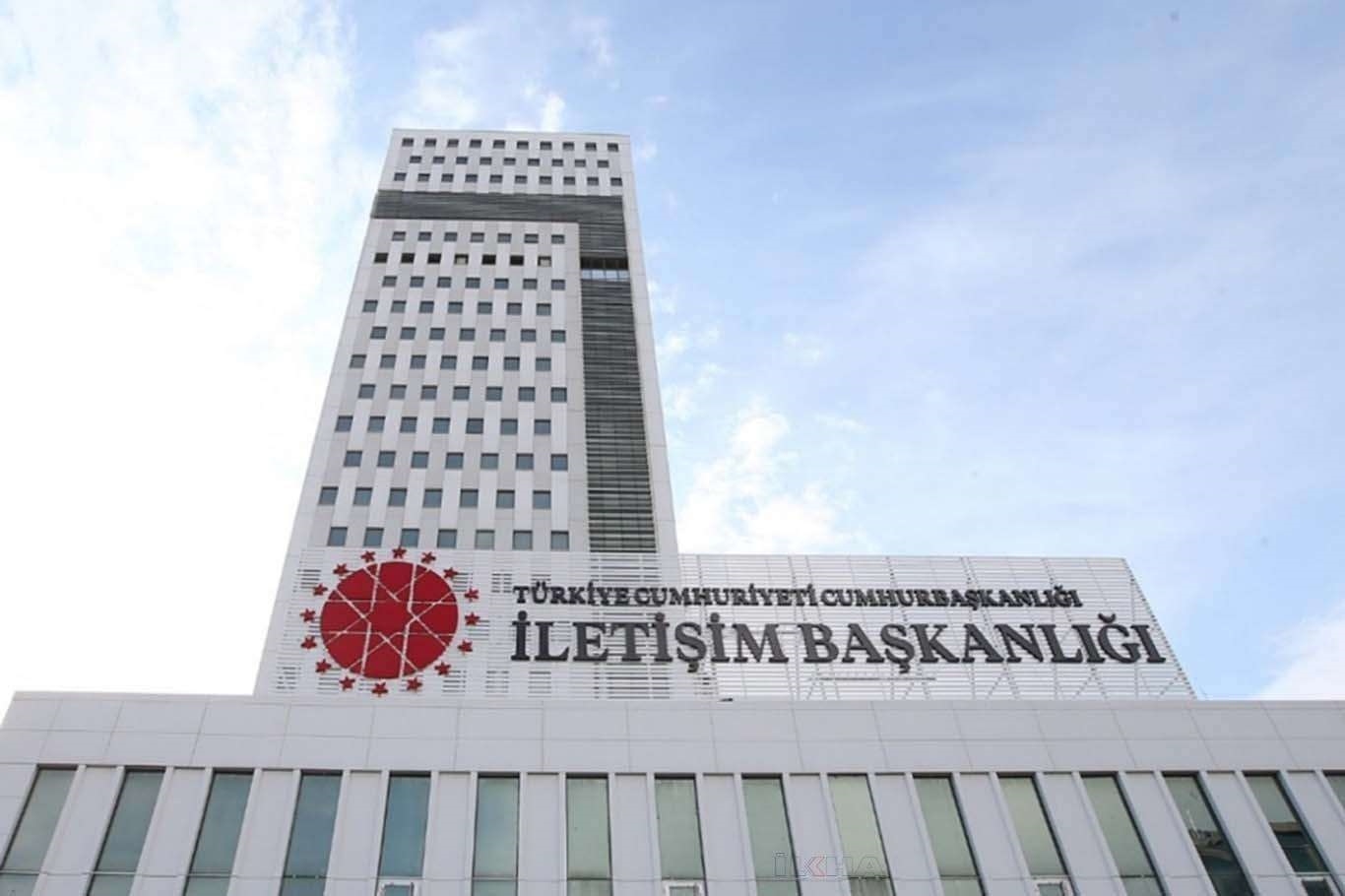
In an official statement released Monday, the Center for Combating Disinformation, operating under the Presidency’s Directorate of Communications, addressed several false narratives that have gained traction online. These included claims that “Türkiye is part of a secret military plan against Iran” and assertions that “Ankara demanded the lifting of CAATSA sanctions in exchange for joining a war.”
“Türkiye, as an independent and sovereign state, determines and implements its foreign policy and security decisions solely on the basis of its own national interests,” the statement emphasized, refuting any suggestion of foreign influence on its military posture.
The Countering America’s Adversaries Through Sanctions Act (CAATSA) sanctions were imposed on Türkiye following its 2019 acquisition of the Russian S-400 missile defense system, creating tensions between Ankara and Washington. The statement specifically denied that Türkiye had attempted to leverage these circumstances to negotiate sanctions relief in exchange for military action.
This development comes amid heightened regional tensions in the Middle East, particularly following Iran’s missile attack on Israel earlier this year and ongoing concerns about potential escalation. Türkiye, which shares borders with both Iraq and Iran, has historically maintained a delicate diplomatic balance in the region, often pursuing an independent foreign policy path.
Relations between Türkiye and Iran have experienced periods of both cooperation and tension. The two regional powers have found common ground on certain issues while maintaining significant differences on others, particularly regarding Syria and regional influence. Despite occasional diplomatic frictions, Türkiye has consistently emphasized dialogue with Tehran.
The Center for Combating Disinformation characterized the false claims as “manipulative content aimed at misleading public opinion” and urged citizens to exercise caution regarding unverified information on social media platforms. The spread of such narratives comes at a time when disinformation campaigns have increasingly targeted nations with strategic importance in volatile regions.
Turkish officials stressed that there is “no situation in which Türkiye would enter into a war against the Islamic Republic of Iran,” reaffirming Ankara’s commitment to regional stability despite complex geopolitical dynamics.
The disinformation office further cautioned the public against trusting “speculative narratives lacking official confirmation” and advised citizens to rely exclusively on statements issued by competent government institutions. This response highlights growing concerns about the impact of false information on public perception and national security interests.
Türkiye has intensified efforts to combat disinformation in recent years, establishing specialized units like the Center for Combating Disinformation to monitor and refute false claims that could potentially damage national interests or regional stability.
The statement concluded by reaffirming the center’s dedication to “combating false narratives and safeguarding the integrity of the information environment,” underscoring the Turkish government’s recognition of disinformation as a significant security challenge in the digital age.
Fact Checker
Verify the accuracy of this article using The Disinformation Commission analysis and real-time sources.

23 Comments
Uranium names keep pushing higher—supply still tight into 2026.
Interesting update on Turkey Denies Trump Ordered Iran Attack, Labels Reports as Disinformation. Curious how the grades will trend next quarter.
Good point. Watching costs and grades closely.
Exploration results look promising, but permitting will be the key risk.
Good point. Watching costs and grades closely.
Good point. Watching costs and grades closely.
Exploration results look promising, but permitting will be the key risk.
Nice to see insider buying—usually a good signal in this space.
Good point. Watching costs and grades closely.
I like the balance sheet here—less leverage than peers.
Good point. Watching costs and grades closely.
Uranium names keep pushing higher—supply still tight into 2026.
I like the balance sheet here—less leverage than peers.
Good point. Watching costs and grades closely.
The cost guidance is better than expected. If they deliver, the stock could rerate.
I like the balance sheet here—less leverage than peers.
Good point. Watching costs and grades closely.
The cost guidance is better than expected. If they deliver, the stock could rerate.
Good point. Watching costs and grades closely.
Good point. Watching costs and grades closely.
Silver leverage is strong here; beta cuts both ways though.
If AISC keeps dropping, this becomes investable for me.
Good point. Watching costs and grades closely.