


Listen to the article
A federal judge has temporarily halted the Trump administration’s attempt to detain Imran Ahmed, a British anti-disinformation campaigner and U.S. permanent resident, delivering a significant setback to the administration’s efforts to bar him from the United States.
Ahmed filed a lawsuit challenging an entry ban and potential deportation related to his work combating online misinformation. The administration contends that Ahmed and several European figures have engaged in activities they characterize as censorship and unfair targeting of American technology companies.
The court action comes amid escalating tensions between the Trump administration and advocates for stronger regulation of online platforms, particularly those based in Europe. On Thursday, U.S. District Judge Vernon Broderick issued a temporary restraining order preventing authorities from arresting, detaining, or transferring Ahmed until the court reviews the case more thoroughly.
Earlier this week, Washington imposed visa restrictions on Ahmed and four Europeans, including former European Union Digital Policy Commissioner Thierry Breton. The administration justified these measures by claiming their work undermined free expression and placed excessive regulatory burdens on U.S. technology companies.
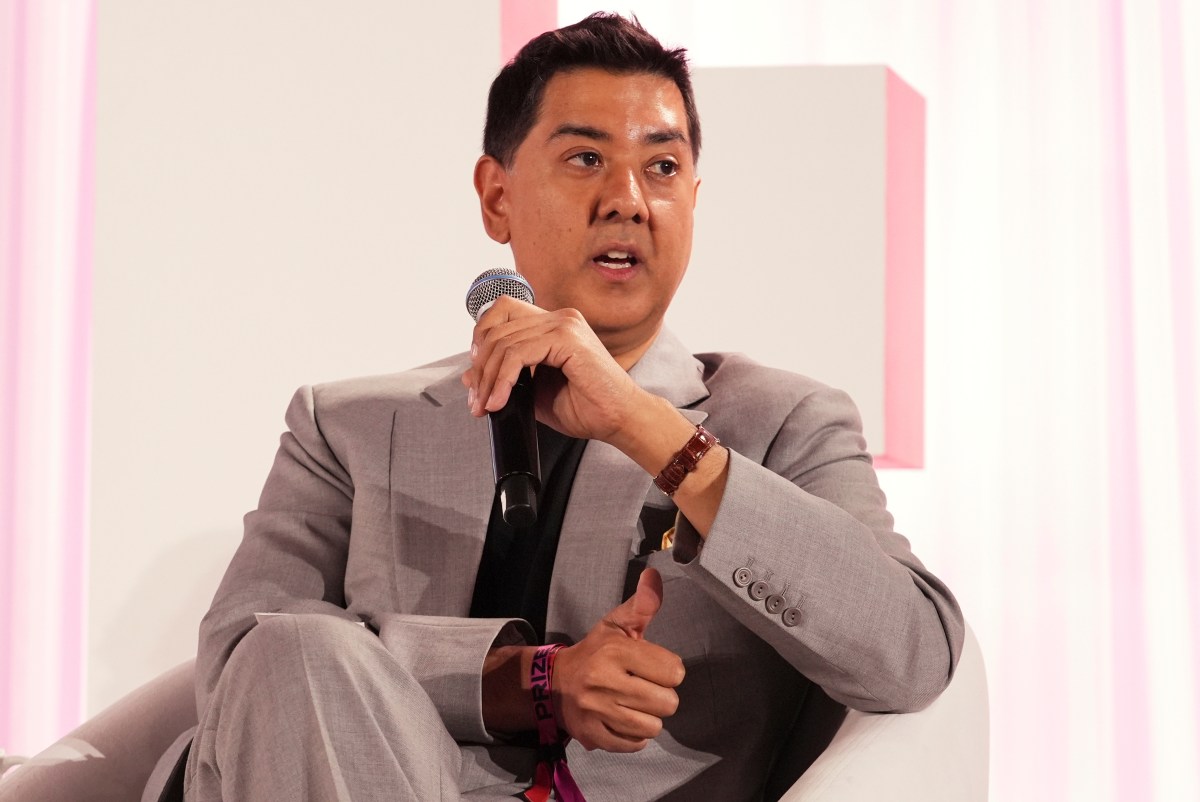
Ahmed serves as chief executive of the U.S.-based Center for Countering Digital Hate and resides in New York. He appears to be the only one of the five targeted individuals currently in the United States. The others named were Josephine Ballon and Anna-Lena von Hodenberg of the German organization HateAid, and Clare Melford, who leads the Global Disinformation Index.
In court filings submitted Wednesday, Ahmed argued the visa restrictions created an immediate risk of deportation that would separate him from his wife and child, both U.S. citizens. His lawsuit named Secretary of State Marco Rubio, Homeland Security Secretary Kristi Noem, and other senior administration officials, claiming the threatened deportation violates his rights to free speech and due process.
This case highlights the growing divide between American and European approaches to regulating digital content. European governments and civil society groups have increasingly urged technology companies to take greater responsibility for harmful and misleading content on their platforms. These efforts aim to safeguard democratic processes and protect vulnerable communities from online harm.
Critics in Washington, however, view such regulatory measures as potential censorship that threatens free speech principles. The Trump administration has positioned itself firmly against what it characterizes as foreign interference in American technology companies’ operations.
In a statement following the court order, Ahmed remained defiant: “I will not be bullied away from my life’s work of fighting to keep children safe from social media’s harm and stopping antisemitism online.”
Secretary Rubio defended the administration’s position in a post on X, writing: “For far too long, ideologues in Europe have led organized efforts to coerce American platforms to punish American viewpoints they oppose. The Trump Administration will no longer tolerate these egregious acts of extraterritorial censorship.”
A State Department spokesperson reinforced the administration’s stance, stating: “The Supreme Court and Congress have repeatedly made clear: the United States is under no obligation to allow foreign aliens to come to our country or reside here.”
The dispute represents a new front in the ongoing debate over content moderation, platform accountability, and the limits of free expression online. It also signals a potentially significant shift in how the United States approaches international cooperation on digital governance and content regulation.
Digital rights experts note this case could have chilling effects on international collaboration to address harmful content online, particularly as governments worldwide grapple with disinformation campaigns, online extremism, and algorithmic harms.
The judge has scheduled a conference between the parties for December 29, where further arguments will be presented regarding Ahmed’s status and the legality of the administration’s actions against him and the other targeted individuals.
Fact Checker
Verify the accuracy of this article using The Disinformation Commission analysis and real-time sources.

12 Comments
This is a concerning development in the ongoing fight against misinformation. I hope the courts will continue to stand up for the rights of activists like Imran Ahmed to do their important work.
Agreed, the administration’s attempts to restrict these efforts are deeply worrying and undermine the principles of free speech and a free press.
The administration’s attempts to target anti-disinformation activists like Imran Ahmed are deeply concerning. We need more, not less, efforts to combat the spread of misinformation online.
I agree, the court’s temporary restraining order is a positive step, but we need to remain vigilant to ensure the rights of these activists are protected.
The battle against online misinformation is crucial, and I’m glad to see the courts standing up for the rights of activists like Imran Ahmed. This administration’s attempts to suppress this important work are deeply troubling.
I agree, the administration’s justifications for these measures are very concerning. Activists should be free to do their work without fear of retaliation.
This is a concerning development, as it seems the Trump administration is trying to stifle anti-disinformation efforts. I hope the courts continue to protect the rights of activists like Imran Ahmed to combat online misinformation.
It’s good to see the judge issue a temporary restraining order. Efforts to silence those who expose disinformation should be strongly condemned.
It’s troubling to see the administration trying to silence those who are working to expose and combat online disinformation. Imran Ahmed and others like him play a crucial role in protecting the integrity of information online.
This is a worrying development in the ongoing battle against online disinformation. I hope the courts continue to protect the rights of activists like Imran Ahmed to do their important work.
While I understand the administration’s concerns about potential censorship, restricting the work of anti-disinformation activists like Ahmed is not the right approach. We need more transparency and accountability, not less, when it comes to online misinformation.
Exactly, the administration should be working to support, not suppress, efforts to combat the spread of false and misleading information online.