


Listen to the article
Fact-Checkers Report 30% Surge in Misinformation During 2025
Fact-checkers documented an alarming 30 percent increase in false or misleading content in 2025 compared to the previous year, according to a comprehensive analysis by Dismislab, a leading fact-checking organization. The surge represents not only a growth in volume but also in the sophistication of disinformation tactics.
The analysis, which examined more than 4,000 distinct fact-check reports published throughout the year, revealed a significant shift in the nature of disinformation. Political narratives dominated the landscape, accounting for two-thirds of all fact-checks. Half of all false information spread through video content, while one in ten cases involved artificial intelligence-generated material.
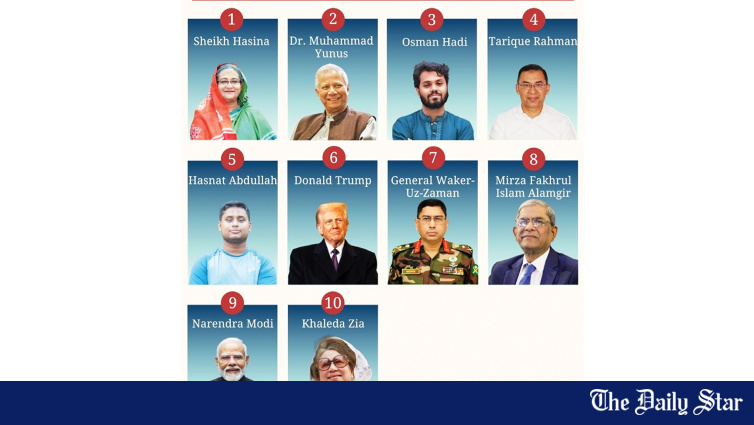
Former Prime Minister Sheikh Hasina emerged as the most frequent target of misinformation, with her name appearing in 274 fact-check headlines. Much of this involved the circulation of old videos, photographs, and statements presented as recent developments, along with persistent rumors about her potential return to power following her ousting.
Interim government Chief Adviser Dr. Muhammad Yunus ranked second, featuring in 150 fact-check headlines. The false narratives primarily aimed to portray his administration as unstable and illegitimate, with recurring claims about his resignation or supposed deadlines imposed by the military.
Other political figures heavily targeted by misinformation included slain Inqilab Moncho leader Sharif Osman Bin Hadi, BNP Chairman Tarique Rahman, and National Citizen Party leader Hasnat Abdullah. International figures such as U.S. President Donald Trump and Indian Prime Minister Narendra Modi also appeared frequently in fact-checked content.
The integration of artificial intelligence in creating deceptive content marked a concerning trend in 2025’s disinformation landscape. Approximately 10 percent of all fact-checked misinformation—417 distinct cases—involved AI-generated content spanning politics, disasters, and international conflicts.
Political misinformation particularly leveraged AI technology to create compelling false narratives. For example, multiple AI-generated images circulated in late December claiming to show Tarique Rahman returning to Bangladesh, depicting him at an airport with family or stepping off planes. Similarly, AI-generated videos falsely portrayed Sheikh Hasina delivering speeches in the Indian parliament, while fabricated images showed students supporting her return to power.
The volume of political misinformation remained consistently high throughout the year but peaked dramatically between September and December as elections approached. While fact-checkers typically identified around 200 instances of political misinformation monthly, December saw that number more than double to 408 cases.
University student union elections in September contributed significantly to this surge, followed by false information about the timing and process of parliamentary elections and party nominations. The December killing of opposition figure Osman Hadi and the illness and subsequent death of former Prime Minister Khaleda Zia further fueled the spread of political disinformation.
Following the announcement of parliamentary election and referendum dates, at least 55 instances of election-related misinformation emerged within just one month, primarily focused on political alliances and fabricated survey results.
The analysis also identified a persistent pattern of content designed to spread fear about the country’s law and order situation. At least 90 fact-check reports addressed false claims related to rape, more than 100 focused on murders or killings, and 45 involved allegations of abuse or torture.
Religious misinformation remained prevalent throughout the year, with numerous false claims about attacks on or persecution of Hindu and other minority communities in Bangladesh.
Video emerged as the preferred medium for spreading falsehoods, accounting for nearly 52 percent of all misinformation, while graphic cards represented 21 percent. A concerning trend involved the spread of fabricated quotations attributed to political leaders, government officials, and law enforcement personnel, with 74 percent of these cases involving impersonation of established media outlets.
As Bangladesh approaches crucial elections, the findings highlight the evolving challenges of combating increasingly sophisticated disinformation techniques in the digital age.
Fact Checker
Verify the accuracy of this article using The Disinformation Commission analysis and real-time sources.

10 Comments
This is a sobering report on the state of misinformation. The growth in video-based disinformation is particularly alarming, as it can be more persuasive and difficult to verify. Strengthening digital literacy and media education will be crucial to empower the public to identify and resist such tactics.
The use of AI-generated content to spread misinformation is a concerning development. I hope that researchers and tech companies can work to develop effective detection and mitigation strategies to address this emerging threat.
This report highlights the need for ongoing vigilance and collaboration to combat the spread of misinformation. Fact-checkers and media organizations play a vital role, but the public also has a responsibility to be critical consumers of information and to fact-check claims before sharing.
Absolutely. Promoting media literacy and critical thinking skills is crucial to empower people to identify and resist the manipulation of information. It’s a shared responsibility to maintain the integrity of our information ecosystem.
The surge in political misinformation is troubling. I hope the authorities and tech platforms can work together to implement effective measures to curb the proliferation of false and misleading content, especially around sensitive political issues.
Yes, the targeting of public figures with old or fabricated information is a concerning tactic. Fact-checkers play a vital role in debunking these narratives and holding perpetrators accountable.
This is concerning news about the rise in misinformation. It’s crucial that fact-checkers and media organizations remain vigilant in combating the spread of false narratives, especially those targeting political figures. We need to promote media literacy and critical thinking to help the public distinguish truth from fiction.
I agree, the use of AI-generated content to spread misinformation is particularly worrying. Robust fact-checking and media transparency will be key to addressing this challenge.
This report underscores the ongoing challenge of misinformation and the need for a multifaceted approach to address it. Strengthening fact-checking, media transparency, and public education will all be essential in the fight against the spread of false and misleading narratives.
The 30% increase in misinformation is a significant and worrying trend. I hope that policymakers, tech companies, and civil society can work together to find effective solutions to address this challenge and protect the integrity of information.