


Listen to the article
The assassination of Mexico’s most influential drug lord triggered a wave of digital disinformation that rapidly spread panic throughout northern Mexico, forcing businesses to close and sending residents into lockdown amid fears of cartel violence that largely failed to materialize.
Security experts and government officials point to this incident as a stark example of how social media can dramatically amplify fear during crisis situations, creating real-world consequences even when the underlying threats prove exaggerated. The phenomenon highlights the growing challenge of separating fact from fiction in the digital age, particularly in regions already tense from cartel activity.
In the aftermath of the kingpin’s death, rumors of impending violence flooded platforms like WhatsApp, Facebook, and X (formerly Twitter). Messages warned of imminent attacks, roadblocks, and confrontations between rival criminal organizations vying to fill the power vacuum. Many messages contained identical text but claimed to originate from different locations, a telltale sign of coordinated disinformation.
“What we witnessed was a perfect storm of legitimate security concerns mixed with deliberate fearmongering,” said Miguel Ramírez, a security analyst specializing in Mexican cartel operations. “Criminal groups understand that fear itself can be a powerful weapon, often more effective than actual violence.”
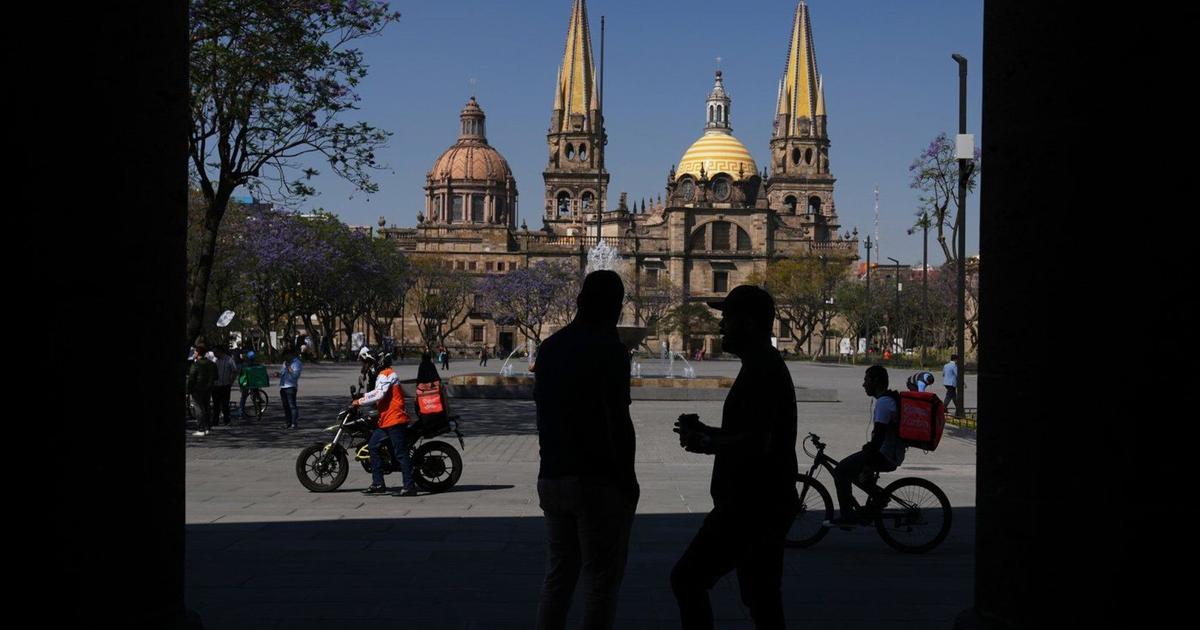
The panic was particularly acute in border states where the cartel maintained its strongest presence. In Ciudad Juárez, across from El Paso, Texas, shopping centers emptied within hours as businesses hastily closed. Public transportation services were suspended, and streets that would normally be bustling with activity became deserted.
Mexican authorities, attempting to counter the spreading misinformation, issued statements urging calm and deployed additional security forces to visible locations. However, many residents remained skeptical of official reassurances, choosing instead to believe warnings shared by friends and family members.
“The government has lost credibility when it comes to security issues,” explained Dr. Elena Vázquez, who researches digital media at Universidad Nacional Autónoma de México. “When people receive alarming messages from trusted contacts, they’re much more likely to believe those than official statements denying problems.”
The economic impact of the one-day virtual shutdown was significant. The border region’s chamber of commerce estimated losses in the millions of dollars as restaurants, retail stores, and service providers closed during what would normally be peak business hours. Manufacturing facilities, crucial to the region’s export economy, reported employee absences of up to 40 percent.
This incident represents a growing trend in how criminal organizations leverage digital platforms to achieve strategic objectives. Security analysts note that cartels have become increasingly sophisticated in their social media operations, employing techniques similar to those used in political influence campaigns.
“These groups now maintain digital operations that rival corporate marketing departments,” said Roberto Sánchez, a former intelligence official who now consults on security matters. “They understand how information spreads online and how to exploit existing fears and tensions.”
Technology companies have faced mounting criticism for their role in allowing such misinformation to proliferate. While platforms have implemented measures to combat political disinformation, critics argue that less attention has been paid to criminal exploitation of social networks, particularly in non-English contexts.
For residents of affected areas, the incident has left lingering concerns about distinguishing genuine threats from manipulation. Community organizations have begun developing local verification networks to help authenticate warnings before they spread widely.
“We need to be vigilant about real dangers without falling victim to those who benefit from chaos,” said Carolina Mendoza, who leads a neighborhood safety group in Monterrey. “When everyone panics, the criminals win regardless of whether violence actually occurs.”
The episode serves as a cautionary tale about the intersection of organized crime, social media, and public perception in vulnerable regions. As criminal organizations continue to evolve their tactics, governments and communities face the dual challenge of maintaining security while preventing the weaponization of fear through digital channels.
Mexican federal officials have announced plans to establish a dedicated task force focused on monitoring and countering cartel-related disinformation, though skeptics question whether such efforts can effectively combat the viral spread of rumors during moments of crisis.
Fact Checker
Verify the accuracy of this article using The Disinformation Commission analysis and real-time sources.

16 Comments
Interesting how social media can amplify fear and disinformation during crisis situations, even when the actual threat is exaggerated. Highlights the challenges of separating fact from fiction in the digital age, especially in regions already dealing with cartel activity.
You’re right, the spread of coordinated misinformation on platforms like WhatsApp and X can have very real consequences, even if the underlying threat is overblown. Security experts and officials will need to find ways to counter this.
The use of coordinated disinformation tactics to spread panic following a high-profile assassination is a disturbing development. This is a wake-up call for governments and platforms to invest more resources into combating the malicious spread of false information online.
Exactly. Tackling this challenge will require a multi-pronged approach, including stronger detection and removal of coordinated disinformation campaigns, as well as improved public education on media literacy and fact-checking.
This incident highlights the urgent need for more effective methods to counter the malicious spread of disinformation on social media platforms, especially in regions already grappling with security challenges and cartel violence. The amplification of fear and panic is a serious concern.
Agreed. Governments, platforms, and civil society will need to work together to develop comprehensive strategies to quickly identify and debunk coordinated disinformation campaigns, while also improving public education on media literacy and fact-checking.
Unfortunate to see how social media can be weaponized to amplify fear and disrupt communities, even when the underlying threats are not as severe as the online narratives suggest. This is a complex issue that deserves serious attention and solutions.
Agreed. Platforms, governments, and civil society will need to work together to develop effective strategies to counter the malicious spread of disinformation, especially in regions already facing instability and security challenges.
The wave of digital disinformation that followed the assassination of the Mexican drug lord is a concerning example of how social media can be weaponized to create panic and disrupt communities. Fact-checking and digital literacy will be key to addressing this growing challenge.
Absolutely. Governments and platforms will need to work together to quickly identify and counter coordinated disinformation campaigns, especially in regions already dealing with cartel violence and instability.
The rapid spread of coordinated disinformation following the assassination of the Mexican drug lord is a stark reminder of the power of social media to manipulate and mislead, even in crisis situations. Tackling this problem will require a multi-faceted approach.
Absolutely. Improving digital literacy, implementing robust fact-checking measures, and cracking down on coordinated disinformation campaigns will all be crucial to mitigating the real-world impacts of online misinformation.
The wave of online disinformation that followed the assassination of the Mexican drug lord is a concerning example of how social media can be weaponized to create panic and disrupt communities, even when the underlying threats are exaggerated. Addressing this challenge will require a multi-faceted approach.
Absolutely. Improved digital literacy, robust fact-checking measures, and stronger efforts to counter coordinated disinformation campaigns will all be crucial to mitigating the real-world impacts of misleading information spreading rapidly online.
This incident highlights the urgent need for better methods to separate truth from fiction online, particularly in crisis situations. The amplification of fear and panic through social media platforms is a serious problem that requires thoughtful solutions.
Agreed. Improving digital literacy and implementing robust fact-checking measures will be critical to mitigating the real-world impacts of online disinformation, even when the underlying threats are exaggerated.