


Listen to the article
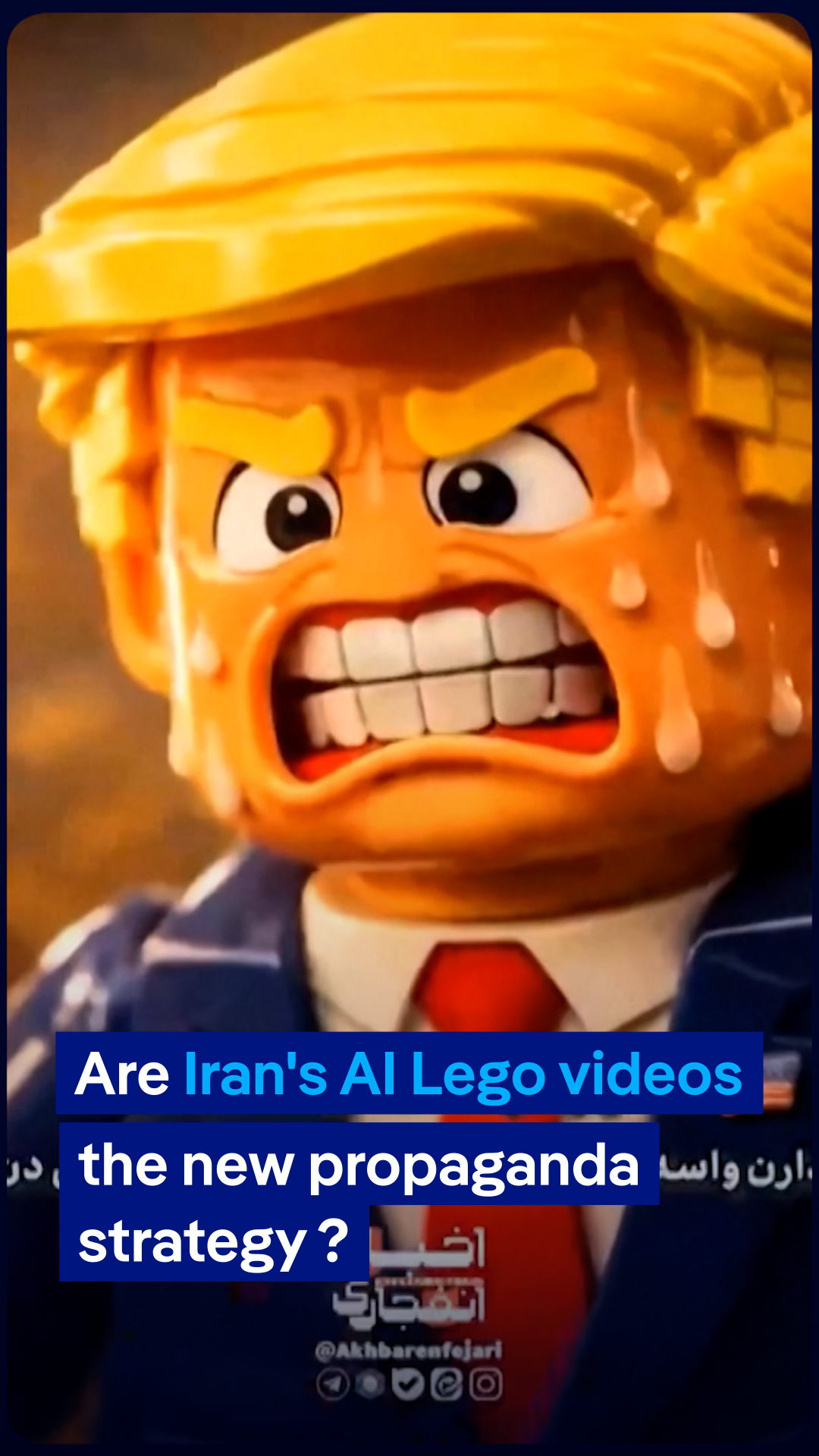
Social media platforms have been inundated with AI-generated Lego-themed videos promoting pro-Iranian messaging, according to WIRED Magazine reporter David Gilbert, who specializes in covering online disinformation and extremism.
The sophisticated campaign appears designed to shape public perception of tensions between Iran and the U.S.-Israel alliance, utilizing popular Lego imagery to potentially reach broader audiences, including younger viewers.
“These videos represent a concerning evolution in state-backed influence operations,” Gilbert told DW News in a recent interview. “By adopting the universally recognized Lego aesthetic, these campaigns can bypass some of the traditional red flags that might otherwise alert viewers to propaganda.”
The videos employ advanced AI technology to create realistic Lego-style animations that depict complex geopolitical scenarios in simplified, visually appealing formats. According to digital forensics experts, the production quality has improved significantly from earlier Iranian influence campaigns, suggesting increased investment in this approach.
Social media analysts have identified dozens of such videos across multiple platforms including TikTok, Instagram, and Twitter/X, with some garnering hundreds of thousands of views before content moderators intervened. The precise origin of the videos remains unconfirmed, though technical indicators point to coordinated activity consistent with previous Iranian influence operations.
“What makes these particularly effective is how they blend entertainment with political messaging,” explained Dr. Sarah Kendzior, an expert on authoritarian information tactics at the Atlantic Council’s Digital Forensic Research Lab. “Many viewers might not even realize they’re consuming propaganda, especially when it’s packaged in what appears to be harmless toy-based content.”
The narratives pushed in these videos consistently frame Iran’s regional activities in a positive light while portraying U.S. and Israeli actions negatively. Common themes include allegations of Western hypocrisy, glorification of Iran’s missile capabilities, and sympathetic portrayals of Iran-backed militant groups.
Platform responses have varied. Meta (parent company of Facebook and Instagram) has removed several of the identified videos for violating its foreign interference policies, while Twitter/X and TikTok have faced criticism for slower response times in content moderation.
This campaign emerges amid heightened regional tensions following Israel’s operations in Gaza and Lebanon, and Iran’s direct missile attack on Israel in April. Intelligence officials suggest the timing is not coincidental, as Iran seeks to influence international public opinion during this volatile period.
“Iran has been steadily expanding its digital influence capabilities for years,” noted Gilbert. “What we’re seeing now represents a more sophisticated understanding of how to penetrate Western social media ecosystems by appropriating beloved cultural symbols like Lego.”
The targeting appears strategic, with videos often appearing in feeds of users who have shown interest in Middle East news but haven’t necessarily engaged with overtly political content. This suggests the use of sophisticated audience segmentation techniques to reach potentially persuadable viewers.
Media literacy experts emphasize that this case highlights the growing challenge of identifying manipulative content in an era when AI-generated media can closely mimic trusted formats and brands. They recommend increased scrutiny of unexpected political messaging in entertainment contexts, particularly when complex geopolitical situations are presented in oversimplified terms.
“The line between entertainment, information, and propaganda continues to blur,” said Gilbert. “These videos demonstrate how advanced technologies can be weaponized to shape narratives in ways that may not be immediately obvious to casual viewers.”
Platform companies face mounting pressure to develop more effective detection methods for such coordinated influence campaigns, particularly as AI-generated content becomes increasingly sophisticated and difficult to distinguish from authentic user-created material.
As the situation continues to evolve, intelligence agencies and disinformation researchers remain vigilant for new iterations of this tactic, which may expand beyond Lego themes to incorporate other popular cultural touchpoints.
Fact Checker
Verify the accuracy of this article using The Disinformation Commission analysis and real-time sources.

12 Comments
This is a concerning evolution in disinformation tactics, leveraging AI and popular media to create realistic-looking content that could sway public opinion on complex geopolitical issues. Vigilance and fact-checking will be crucial to combat these types of sophisticated influence operations.
The use of Lego imagery to create these AI-generated videos is a shrewd move to potentially appeal to younger audiences. It underscores the need for greater media literacy education to help people, especially youth, identify and resist such manipulative tactics.
This highlights the challenge of combating disinformation in the digital age. Using AI to create hyper-realistic Lego animations is a clever tactic to bypass traditional red flags and potentially influence younger viewers.
I agree, the use of AI to generate this type of content is quite concerning. It underscores the need for increased digital literacy and fact-checking efforts to help the public spot these types of coordinated influence operations.
The WIRED reporter’s insights on this latest disinformation campaign highlight the continued efforts by state actors to exploit new tools and tactics to spread misleading narratives. Staying informed and maintaining a critical eye when consuming online content is crucial to combating these threats.
Adopting the Lego aesthetic to bypass traditional red flags for propaganda is a clever but concerning tactic. It highlights the importance of developing robust frameworks to identify and counter state-backed disinformation campaigns, regardless of the creative methods used.
Interesting to see how state actors are leveraging AI and popular media like Lego to spread propaganda. It’s concerning how sophisticated these campaigns have become in terms of production quality and ability to reach broader audiences.
While creative, these Lego-themed AI videos seem like a troubling development in the ongoing battle against state-sponsored disinformation campaigns. It’s critical that social media platforms and governments stay vigilant in identifying and addressing such sophisticated tactics.
Absolutely. The ability to leverage popular imagery and production values to spread misleading narratives is worrying. Staying informed and maintaining a critical eye when consuming online content is key.
Utilizing AI to generate Lego-themed videos as a vehicle for pro-Iranian messaging is a concerning development that demonstrates the growing sophistication of state-backed disinformation campaigns. This emphasizes the need for robust strategies to identify and counter such manipulative tactics.
This is a troubling example of how state actors are leveraging emerging technologies like AI to create highly polished, visually appealing content designed to shape public perception. It underscores the critical importance of maintaining vigilance and strengthening our collective defenses against such sophisticated influence operations.
The use of AI-generated Lego videos to spread pro-Iranian messaging is a worrying development in the ongoing battle against online disinformation. It emphasizes the need for increased media literacy and fact-checking efforts to help the public navigate this evolving landscape.