


Listen to the article
Japanese Prime Minister’s Taiwan Remarks Reveal Generational Shift in Nationalist Sentiment
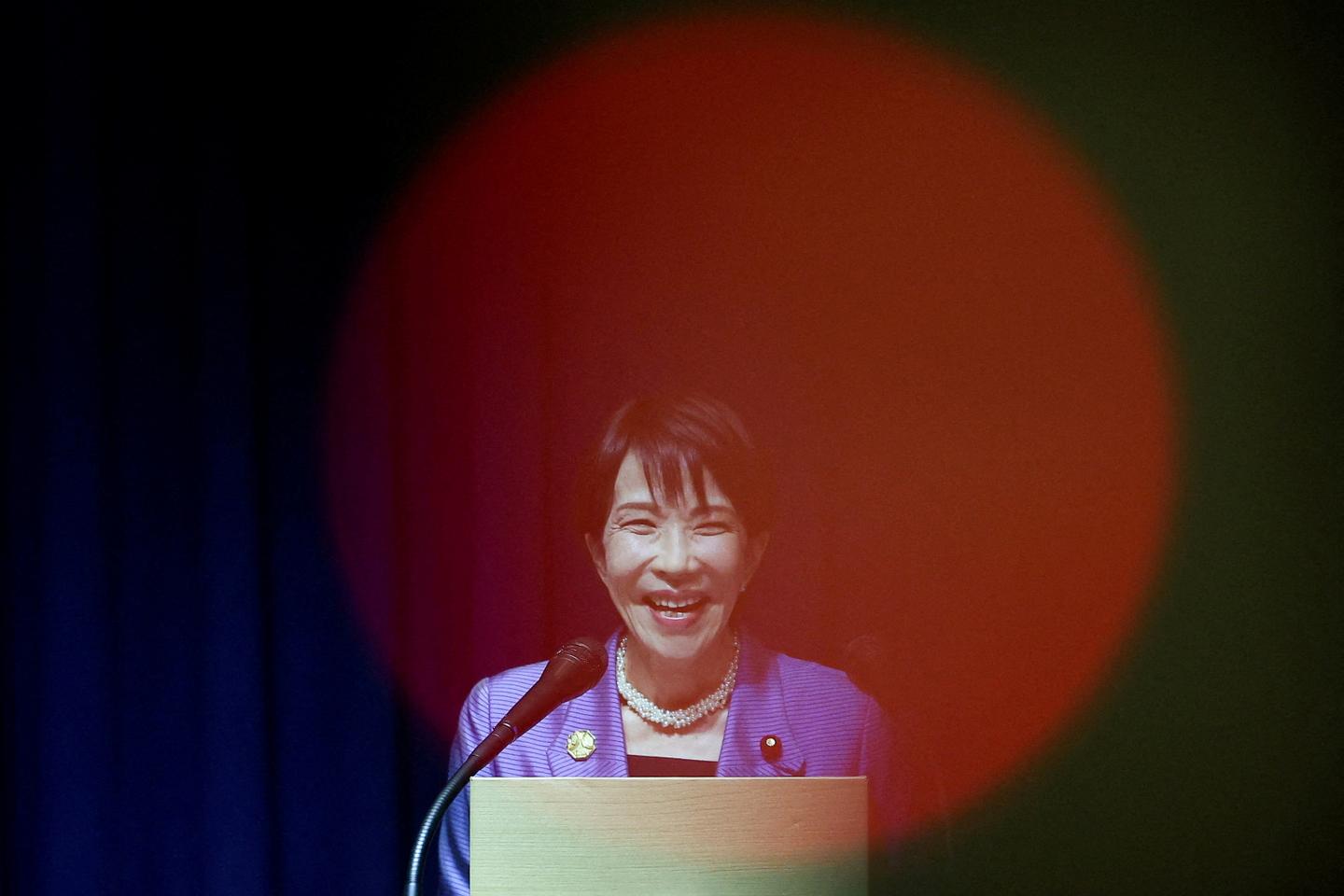
A diplomatic crisis between China and Japan has exposed a significant rightward shift among Japan’s younger population, following controversial remarks by Prime Minister Sanae Takaichi about potential military intervention if China were to attack Taiwan.
On November 7, Takaichi’s statement regarding Japanese military support for Taiwan in the event of Chinese aggression sparked immediate tension with Beijing. The declaration represents a notable departure from Japan’s traditionally cautious diplomatic approach toward China-Taiwan relations, a sensitive regional flashpoint.
According to polling data published by the influential Yomiuri newspaper, 64% of Japanese citizens aged 18 to 39 expressed approval of Takaichi’s assertive stance. The survey reveals a striking generational divide in attitudes toward national security and Japan’s military posture in the region.
Political analysts suggest Takaichi’s “straight talk” approach and openly nationalist rhetoric have resonated with a Japanese public increasingly frustrated by years of political indecision and scandals. This frustration has manifested in a surge of support on social media platforms, where many younger Japanese have voiced backing for more assertive policies.
The prime minister’s comments come at a precarious moment in East Asian geopolitics. China has intensified military exercises near Taiwan in recent years, while the United States and its allies, including Japan, have strengthened their security partnerships in response to Beijing’s growing assertiveness.
Japan’s domestic political landscape has undergone significant transformation in recent years. The long-dominant Liberal Democratic Party (LDP), which has governed Japan almost continuously since 1955, has faced mounting challenges to its authority. Following electoral setbacks in both parliamentary chambers—losing its absolute majority in the lower house in 2024 and then suffering the same fate in the Senate this past July—the party has struggled to maintain its political dominance.
This weakening position prompted the LDP to seek renewed momentum through a rightward shift in its leadership. Takaichi, known for her hawkish foreign policy views and conservative domestic agenda, was appointed as party president in a strategic move to energize the party’s base. She subsequently secured the prime ministership with crucial backing from centrist factions, creating a delicate political balance.
The Taiwan crisis remarks reflect broader changes in Japan’s strategic thinking. After decades of maintaining a strictly defensive military posture under its post-war constitution, Japan has gradually expanded its security role under successive administrations. However, Takaichi’s comments represent a significant acceleration of this trend, suggesting potential Japanese involvement in regional conflicts beyond its immediate territory.
Economic implications also loom large. Japan and China maintain extensive trade relationships valued at over $300 billion annually, with complex supply chains connecting the two economies. Diplomatic tensions risk disrupting these economic ties at a time when Japan continues to face challenges with slow growth and demographic decline.
For younger Japanese, the prime minister’s nationalist rhetoric appears to address anxieties about Japan’s place in an increasingly uncertain regional security environment. The generational gap in public opinion likely reflects differing historical perspectives, with younger citizens less connected to memories of Japan’s militaristic past and more concerned with contemporary security threats.
As the diplomatic fallout continues, observers note that Takaichi’s government must balance its tougher stance toward China with the practical necessities of regional economic cooperation and the maintenance of stability in East Asia. Whether this rightward shift represents a temporary political strategy or a more fundamental realignment in Japanese foreign policy remains to be seen.
What is clear, however, is that Japan’s political landscape is evolving in response to both domestic pressures and changing regional dynamics, with potential long-term implications for security architecture throughout East Asia.
Fact Checker
Verify the accuracy of this article using The Disinformation Commission analysis and real-time sources.

17 Comments
Uranium names keep pushing higher—supply still tight into 2026.
Good point. Watching costs and grades closely.
Good point. Watching costs and grades closely.
I like the balance sheet here—less leverage than peers.
Good point. Watching costs and grades closely.
Good point. Watching costs and grades closely.
Nice to see insider buying—usually a good signal in this space.
Good point. Watching costs and grades closely.
Production mix shifting toward Disinformation might help margins if metals stay firm.
Good point. Watching costs and grades closely.
Good point. Watching costs and grades closely.
Production mix shifting toward Disinformation might help margins if metals stay firm.
The cost guidance is better than expected. If they deliver, the stock could rerate.
Good point. Watching costs and grades closely.
Exploration results look promising, but permitting will be the key risk.
Good point. Watching costs and grades closely.
Good point. Watching costs and grades closely.