


Listen to the article
Britain ‘Complacent’ in Face of Global Disinformation Threats, Warns Senior MP
Britain faces growing threats from foreign disinformation campaigns aimed at undermining democratic institutions, according to a stark warning from Dame Emily Thornberry, who chairs the influential Foreign Affairs Committee.
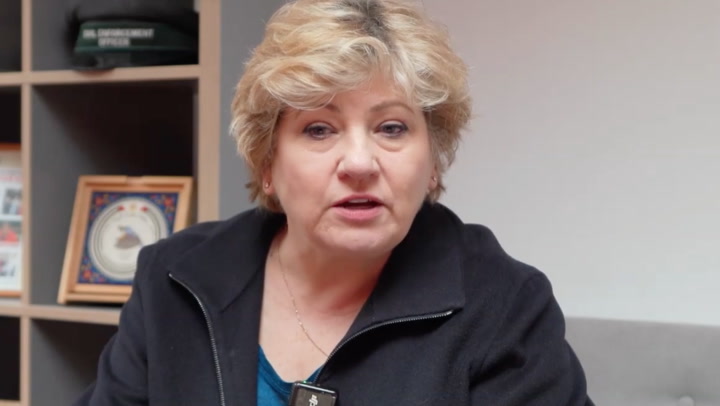
“We are complacent in a war on disinformation as countries try to undermine our democracies,” Dame Emily told The Independent, highlighting what she describes as a dual conflict facing Europe – Russia’s physical invasion of Ukraine and a simultaneous information warfare campaign targeting Western nations.
The committee has published a comprehensive report analyzing disinformation threats by region, with particular focus on activities linked to Russia, China, and Iran. The findings paint a concerning picture of coordinated efforts to manipulate public opinion and political processes in the UK and across Europe.
“These patterns of behaviour are actually things that we recognise as happening in the UK too. We think that it’s only something that affects Eastern Europe. It doesn’t,” Dame Emily emphasized, pointing to what she sees as a dangerous misconception that such threats primarily concern countries on Russia’s periphery.
Among the report’s key recommendations is a call for the British government to establish a centralized National Disinformation Centre, which would coordinate countermeasures and develop expertise in identifying and responding to foreign information operations. The committee believes the current approach lacks cohesion and sufficient resources to address the scale of the challenge.
The timing of the report comes amid heightened concerns about election interference and social media manipulation worldwide. Intelligence agencies have repeatedly warned about sophisticated influence operations targeting democratic processes, from elections to public health responses and international relations.
Russia’s approach to disinformation has evolved significantly since its 2014 annexation of Crimea and subsequent full-scale invasion of Ukraine in 2022. The Kremlin has developed increasingly sophisticated methods of spreading false narratives through state-backed media outlets, social media networks, and covert influence operations.
Meanwhile, China has expanded its global information influence through a combination of diplomatic pressure, economic leverage, and digital propaganda. The report details Beijing’s efforts to shape international narratives about sensitive issues including human rights, Taiwan, and its Belt and Road Initiative.
Iran, though operating with fewer resources than Russia or China, has also been identified as increasingly active in targeting Western information environments, particularly around regional conflicts and nuclear negotiations.
Security experts consulted during the committee’s investigation emphasized that disinformation campaigns rarely operate in isolation. They typically form part of broader “hybrid warfare” strategies that combine cyber attacks, economic pressure, political subversion, and sometimes military threats.
The UK government has made some efforts to counter foreign disinformation, including through the Counter Disinformation Unit in the Department for Digital, Culture, Media and Sport and various intelligence agency initiatives. However, the committee found these measures insufficient given the scale and sophistication of the threat.
Dame Emily’s warnings echo concerns raised by other European leaders about the vulnerability of democratic institutions to information manipulation. The European Union has implemented a range of measures under its Action Plan Against Disinformation, while NATO has established specialized units to counter hostile information activities.
The report urges closer international cooperation with allies and greater public awareness about disinformation techniques. It also calls for more transparent engagement with social media companies, which often serve as primary vectors for misleading content.
Critics may question whether additional government intervention in information spaces could raise concerns about freedom of speech. However, the committee emphasizes that its recommendations focus on foreign state-sponsored disinformation rather than legitimate domestic political debate.
As digital technologies continue to evolve, including the rise of artificial intelligence-generated content and deepfakes, the challenge of maintaining information integrity is likely to become increasingly complex – making the committee’s call for a more coordinated approach all the more urgent.
Fact Checker
Verify the accuracy of this article using The Disinformation Commission analysis and real-time sources.

9 Comments
This is a sobering assessment of the disinformation landscape facing the UK. Complacency is dangerous, and the government must act decisively to shore up defenses and build societal resilience. Kudos to the committee for sounding the alarm.
Complacency in the face of disinformation threats is dangerous. Kudos to Dame Emily Thornberry for sounding the alarm. The UK must stay vigilant and invest in robust fact-checking, media literacy, and resilience against manipulation efforts.
Absolutely. This is a complex, evolving challenge that requires sustained, proactive efforts to get ahead of adversaries.
Disinformation is a serious threat to democracies worldwide. It’s concerning to hear that the UK may be complacent in addressing this growing challenge. Maintaining vigilance and proactive countermeasures is crucial to protect our institutions and public discourse.
Agreed. Raising awareness and taking a coordinated, multi-stakeholder approach will be key to combating foreign disinformation campaigns. This can’t be taken lightly.
Disinformation campaigns targeting the West are a serious concern. The UK must take this threat seriously and work with allies to develop effective countermeasures. Staying vigilant and investing in media literacy are crucial steps.
Agreed. International cooperation will be key to combat these complex, cross-border threats to our democracies.
It’s troubling to hear that the UK may be underestimating the severity of disinformation threats. Protecting democratic integrity should be a top priority. This report highlights the need for a comprehensive, whole-of-society response.
This report sounds like an important wake-up call for the UK. Disinformation from adversaries like Russia and China poses real risks to the integrity of democratic processes. It’s wise to take a hard look at vulnerabilities and strengthen defenses.