


Listen to the article
Britain “Complacent” in Face of Growing Disinformation Threat, Warns Parliamentary Committee
Britain’s approach to combating foreign disinformation has been criticized as “complacent” by Dame Emily Thornberry, as a new parliamentary report calls for urgent action to counter efforts by hostile states to undermine democratic institutions.
The report, released this week by the Foreign Affairs Committee, highlights growing concerns about coordinated disinformation campaigns targeting the UK and other Western democracies. It calls on the government to establish a centralized National Disinformation Centre and to prioritize counter-disinformation efforts in its foreign policy strategy.
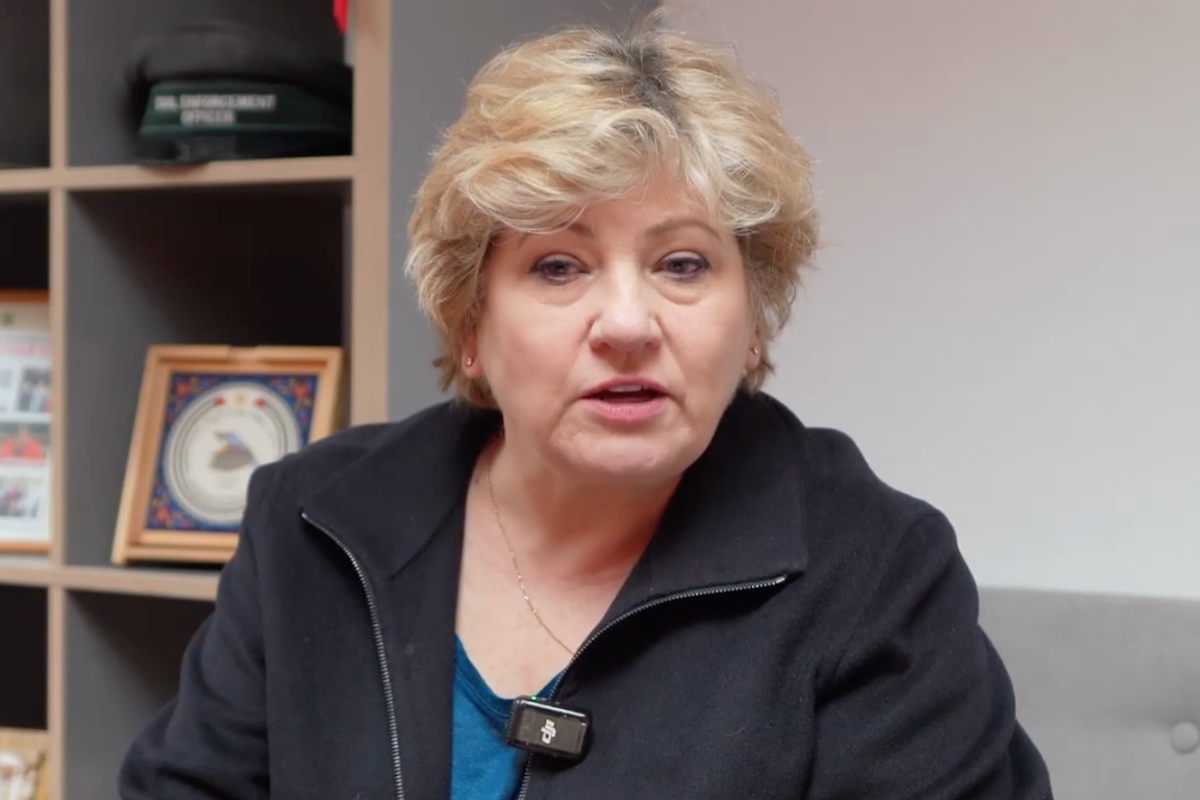
“We have two conflicts to tackle in Europe,” Dame Emily told The Independent. “One is Russia’s invasion of Ukraine, and the other is countries trying to undermine our democracies. These patterns of behaviour are actually things that we recognize as happening in the UK too. We think that it’s only something that affects Eastern Europe. It doesn’t.”
The committee’s investigation focused on regional threat analysis, with particular attention given to disinformation activities originating from Russia, China, and Iran. Security experts have long warned that these countries operate sophisticated influence operations designed to sow division, erode trust in institutions, and shape public opinion in Western nations.
Russia’s disinformation efforts have intensified since its full-scale invasion of Ukraine in 2022, often targeting European unity and support for Ukraine. Meanwhile, China has expanded its information operations globally, using social media platforms and state-controlled news outlets to project its narrative on issues ranging from Taiwan to human rights.
Iran has similarly deployed disinformation tactics, particularly around Middle East conflicts and nuclear negotiations, according to intelligence assessments cited in the report.
The proposed National Disinformation Centre would coordinate the UK’s response to these threats, bringing together expertise from across government departments, intelligence agencies, and civil society. This centralized approach aims to address what the committee describes as a fragmented and reactive strategy that has left the UK vulnerable.
Digital rights experts welcomed the report but cautioned that any response must balance security concerns with civil liberties. “Countering disinformation is essential, but we must ensure that efforts don’t inadvertently restrict legitimate free expression or privacy,” said Dr. Helen Ferguson, a cybersecurity researcher at King’s College London.
The threat has evolved significantly in recent years with the advent of artificial intelligence and deep fake technology, making disinformation increasingly sophisticated and difficult to detect. Social media platforms have become primary battlegrounds, with algorithms often amplifying divisive content.
The UK’s intelligence community has previously warned about foreign interference in democratic processes, including elections. In 2020, a report by Parliament’s Intelligence and Security Committee found evidence of Russian attempts to influence the 2016 Brexit referendum, though it stopped short of assessing the impact of these efforts.
Dame Emily’s warning comes as several European nations prepare for elections in the coming year, raising concerns about potential foreign interference. The committee’s report stresses that disinformation campaigns often target electoral processes to undermine public confidence in democratic systems.
The Foreign Office responded to the report by stating that it takes the threat of disinformation “extremely seriously” and is “constantly reviewing and strengthening” its approach. A spokesperson highlighted existing cross-government cooperation but did not directly address the call for a National Disinformation Centre.
Media literacy experts argue that education must form part of any comprehensive strategy. “Technical solutions and government interventions are important, but empowering citizens to critically evaluate information is equally crucial,” said Professor Martin Collins of the Oxford Internet Institute.
As geopolitical tensions continue to rise globally, the battle against disinformation is likely to intensify. The committee’s report represents one of the most comprehensive parliamentary assessments of the threat to date, and puts significant pressure on the government to develop a more robust response to what Dame Emily describes as an ongoing “information war.”
Fact Checker
Verify the accuracy of this article using The Disinformation Commission analysis and real-time sources.

18 Comments
While the UK’s complacency in addressing foreign disinformation is concerning, I’m hopeful that the government will heed the committee’s recommendations and implement a robust, coordinated response.
Me too. Tackling this challenge head-on is crucial for safeguarding the UK’s democratic resilience in the face of evolving threats.
The report’s findings underscore the need for the UK to take a more proactive, comprehensive approach to countering foreign disinformation campaigns. Protecting our democratic institutions should be a top national security priority.
Agreed. Establishing a dedicated National Disinformation Centre is a positive step, but more needs to be done to address this complex, evolving threat.
Disinformation campaigns targeting Western democracies are a serious issue that requires a comprehensive, multi-faceted response. I hope the UK government acts swiftly on the committee’s recommendations.
Absolutely. Establishing a dedicated National Disinformation Centre is a crucial step in the right direction.
The UK’s complacency in addressing foreign disinformation is concerning. We need a coordinated national effort to counter these threats and protect our democratic institutions.
Agreed. The government must take this challenge seriously and implement robust counter-measures without delay.
The report’s findings highlight the urgent need for the UK government to take a more proactive and strategic approach to combating foreign disinformation. Protecting our democratic institutions should be a top priority.
Absolutely. Complacency is unacceptable when the integrity of our democracy is at stake. Decisive action is required.
The UK’s complacency in the face of growing disinformation threats is worrying. I hope the government heeds the committee’s calls for urgent action to counter these malicious efforts.
Me too. Failing to address this challenge head-on could have serious consequences for the UK’s democratic resilience.
It’s concerning to hear that the UK has been overly complacent in dealing with foreign disinformation campaigns. This is a complex, multifaceted issue that requires a comprehensive, coordinated response.
Agreed. Establishing a dedicated National Disinformation Centre is a step in the right direction, but more needs to be done.
It’s troubling to hear that the UK has been complacent in addressing foreign disinformation. Given the growing threat, this needs to be a top priority for the government.
I agree. Coordinating counter-disinformation efforts across various policy areas is essential to effectively combat this challenge.
While the report’s findings are concerning, I’m glad to see the UK government is being urged to take more decisive action against foreign disinformation campaigns. This is a complex issue that requires a comprehensive strategy.
Absolutely. Protecting the integrity of our democratic institutions should be a top national security priority.