


Listen to the article
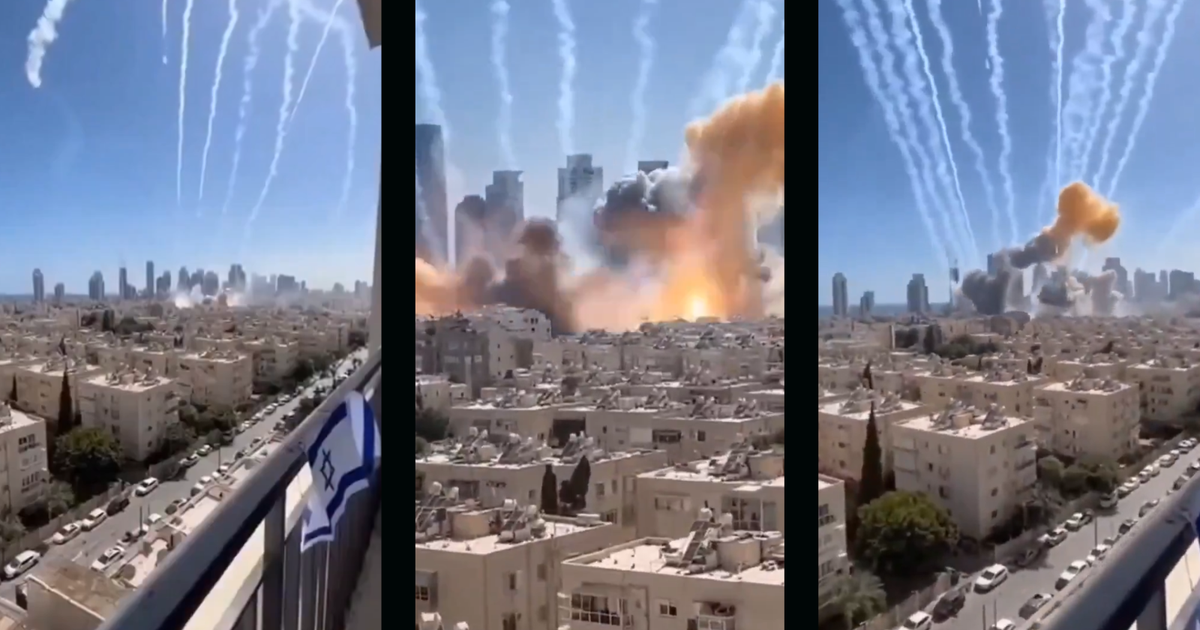
As tensions between Israel and Iran reached a critical point this week, a disturbing video began circulating on social media platforms showing what appeared to be Tel Aviv under attack from Iranian ballistic missiles. The footage, which went viral on Tuesday, depicted rows of low apartment buildings with distinctive solar-powered water heaters being struck by what looked like dozens of incoming missiles.
The video’s audio captured the sound of emergency vehicle sirens wailing in the background while a distressed voice exclaimed in English, “Tel Aviv – I can’t believe this!” The dramatic footage quickly garnered thousands of shares and comments from concerned viewers worldwide who feared they were witnessing a major escalation in the ongoing Middle East conflict.
However, intelligence officials and digital forensics experts quickly identified the video as a sophisticated fake. The footage represents the latest example of misinformation spreading during times of international crisis, a growing problem that security agencies have warned could potentially inflame already volatile situations.
The Israel Defense Forces (IDF) released a statement confirming that no such attack had taken place on Tel Aviv. “We urge the public to rely only on official sources for information about security situations,” the statement read. “Sharing unverified content during sensitive periods can create unnecessary panic and complicate response efforts.”
This incident highlights the increasing sophistication of digital manipulation techniques. According to cybersecurity expert Dr. Sarah Levine from the Center for Digital Media Analysis, “What makes this particular video concerning is the attention to detail. The creators included specific architectural features common in Tel Aviv, like the solar water heaters, which makes the footage more believable to those familiar with the city.”
The timing of the video’s release coincides with heightened tensions between Israel and Iran following weeks of diplomatic brinkmanship and threatening rhetoric from both sides. International observers have expressed concern about potential military escalation after Iran vowed retaliation for recent actions attributed to Israel.
Global markets responded to the viral video before its authenticity could be verified, with oil prices briefly spiking by nearly 3% as traders reacted to the possibility of a wider conflict in the oil-rich region. The price stabilized once officials confirmed the video was fabricated, but the incident demonstrates how quickly misinformation can impact global markets.
Social media platforms including Twitter, Facebook, and TikTok have since implemented measures to flag the video as misleading content, though experts note these actions often come after content has already been widely shared. “The first few hours are critical,” explained Theo Bertram, former policy director at TikTok. “Once something goes viral, containment becomes exponentially more difficult.”
The Israeli Ministry of Communications has urged citizens to exercise caution when consuming and sharing content related to national security matters. “In times of tension, verification before sharing is not just good practice—it’s a civic responsibility,” a ministry spokesperson said.
This incident occurs against the backdrop of increasing concerns about the use of artificial intelligence and deep fake technology to create convincing but false imagery during international conflicts. Intelligence agencies worldwide have identified misinformation as a significant threat to national security, capable of triggering panic, influencing public opinion, or even provoking military responses.
As the situation between Israel and Iran continues to develop, media literacy experts emphasize the importance of critical evaluation of sources, especially during breaking news events. “The rush to be first often comes at the expense of accuracy,” noted Dr. Michael Rothschild of the Media Verification Project. “When it comes to potential conflict situations, that trade-off can have serious consequences.”
Fact Checker
Verify the accuracy of this article using The Disinformation Commission analysis and real-time sources.

8 Comments
Wow, this is really concerning. I’m glad the authorities were able to quickly identify this as a fake video and prevent further escalation. Spreading misinformation during times of crisis is so dangerous and irresponsible.
Agreed. We need to be vigilant about verifying the source and authenticity of videos, especially around sensitive geopolitical issues. Misinformation can have serious real-world consequences.
This is a prime example of why we need to be so cautious about video and audio content online, especially during times of international crisis. The ability to create such convincing deepfakes is alarming and can have dangerous real-world consequences.
Agreed. The rapid evolution of deepfake technology is a serious concern that requires a robust response from governments, tech companies, and the public to combat the spread of malicious misinformation.
I’m relieved the authorities were able to quickly identify and debunk this fake video. In today’s information landscape, it’s crucial that we all remain vigilant and verify the source and authenticity of any video or audio content, especially around sensitive geopolitical issues.
As if the tensions between Israel and Iran weren’t high enough already. Releasing an AI-generated video like this to stoke fears and escalate the conflict is a reckless and irresponsible act. I’m glad the authorities were on top of it.
It’s scary how advanced deepfake technology has become. I hope security agencies and tech platforms can stay ahead of these types of manipulated videos. Fact-checking is crucial to avoid inflaming already tense international situations.
Absolutely. The ability to create such realistic-looking fake footage is alarming. Rigorous verification and debunking efforts are essential to counter the spread of this kind of disinformation.