


Listen to the article
China Denies Missile Deal with Iran, Calls for Reduced Tensions
China has forcefully denied reports of an alleged missile deal with Iran, calling the claims untrue and urging all parties to take actions that help de-escalate tensions in the Middle East.
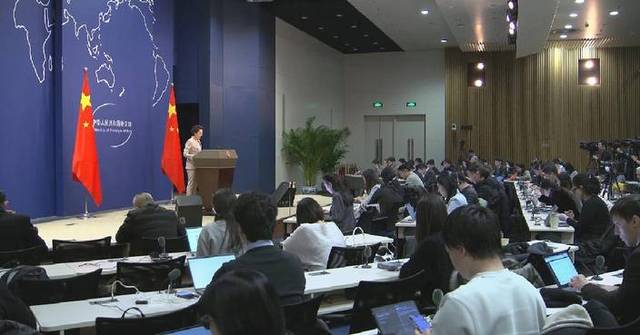
“The relevant report is not true. As a responsible major country, China always abides by its international obligations,” said Foreign Ministry spokeswoman Mao Ning during a regular press briefing in Beijing on Monday.
Mao emphasized that China opposes what she characterized as “ill-intentioned association and the spread of disinformation,” and expressed hope that “relevant sides will choose the course of action conducive to de-escalating the tense situation.”
The spokesperson’s comments come amid heightened tensions in the Middle East, where Israel and Iran have engaged in direct military exchanges in recent months. The region remains on edge following a series of escalatory actions, including attacks on commercial shipping in the Red Sea by Yemen’s Houthi rebels, who claim to be acting in solidarity with Palestinians.
China’s denial is significant as the country has sought to position itself as a neutral mediator in Middle Eastern conflicts. In March last year, Beijing brokered a diplomatic rapprochement between longtime regional rivals Iran and Saudi Arabia, demonstrating its growing diplomatic influence in the region traditionally dominated by U.S. foreign policy.
The missile deal allegations emerge at a sensitive time when Western nations, led by the United States, have repeatedly warned China against providing lethal aid to Russia for its war in Ukraine. Beijing has consistently denied these accusations while maintaining what it calls “normal trade relations” with Moscow.
China’s relationship with Iran has strengthened in recent years, with the two countries signing a 25-year cooperation agreement in 2021 that covers economic, military, and security cooperation. However, Beijing has carefully balanced this relationship against its substantial economic ties with other Middle Eastern nations, including Saudi Arabia and the Gulf states.
International security experts note that any missile transfer between China and Iran would likely trigger significant diplomatic fallout and potential sanctions from Western nations, particularly as Iran remains under various international sanctions related to its nuclear program and support for regional militant groups.
The Chinese statement underscores Beijing’s desire to avoid being drawn into the escalating regional conflicts while maintaining its standing as a responsible global power committed to international peace and stability. As Middle East tensions remain high, China’s posture on arms transfers and diplomatic support will continue to be closely scrutinized by regional and global powers alike.
Fact Checker
Verify the accuracy of this article using The Disinformation Commission analysis and real-time sources.

9 Comments
China’s denial of the missile deal claims and its push for reduced tensions in the Middle East suggest the country is keen to avoid getting entangled in regional conflicts. Maintaining neutrality could be a strategic move to preserve its diplomatic and economic interests.
The spokesperson’s comments underscore China’s desire to be seen as a responsible global player, committed to de-escalating tensions rather than inflaming them. This approach could help China assert its influence in the region more effectively.
It’s interesting to see China pushing back against what it calls ‘ill-intentioned’ claims and disinformation. Maintaining transparency and debunking false narratives is crucial for countries navigating complex geopolitical situations.
I agree. China seems determined to present itself as a responsible global actor, distancing itself from inflammatory rhetoric and urging all sides to pursue de-escalation.
The denial of the alleged missile deal highlights China’s delicate balancing act in the Middle East. As a major economic and political power, China likely wants to avoid being drawn into the region’s conflicts.
You make a good point. China’s neutral position allows it to maintain relations with various parties in the region, which could be valuable for future diplomatic efforts.
China’s strong denial of the alleged missile deal with Iran is noteworthy. As a major global power, China’s stance on de-escalating tensions in the Middle East could play a pivotal role in the region’s stability.
China’s call for reduced tensions in the Middle East is a prudent stance, given the potential for escalation and the region’s geopolitical complexities. Fact-checking and debunking disinformation is an important part of China’s diplomacy.
It’s intriguing to see China so forcefully reject the ‘ill-intentioned’ claims about a missile deal with Iran. This strong stance indicates China’s willingness to challenge narratives that it deems inaccurate or politically motivated.