


Listen to the article
Azerbaijan’s Ambassador-at-Large Warns of Growing Disinformation Threat in Digital Age
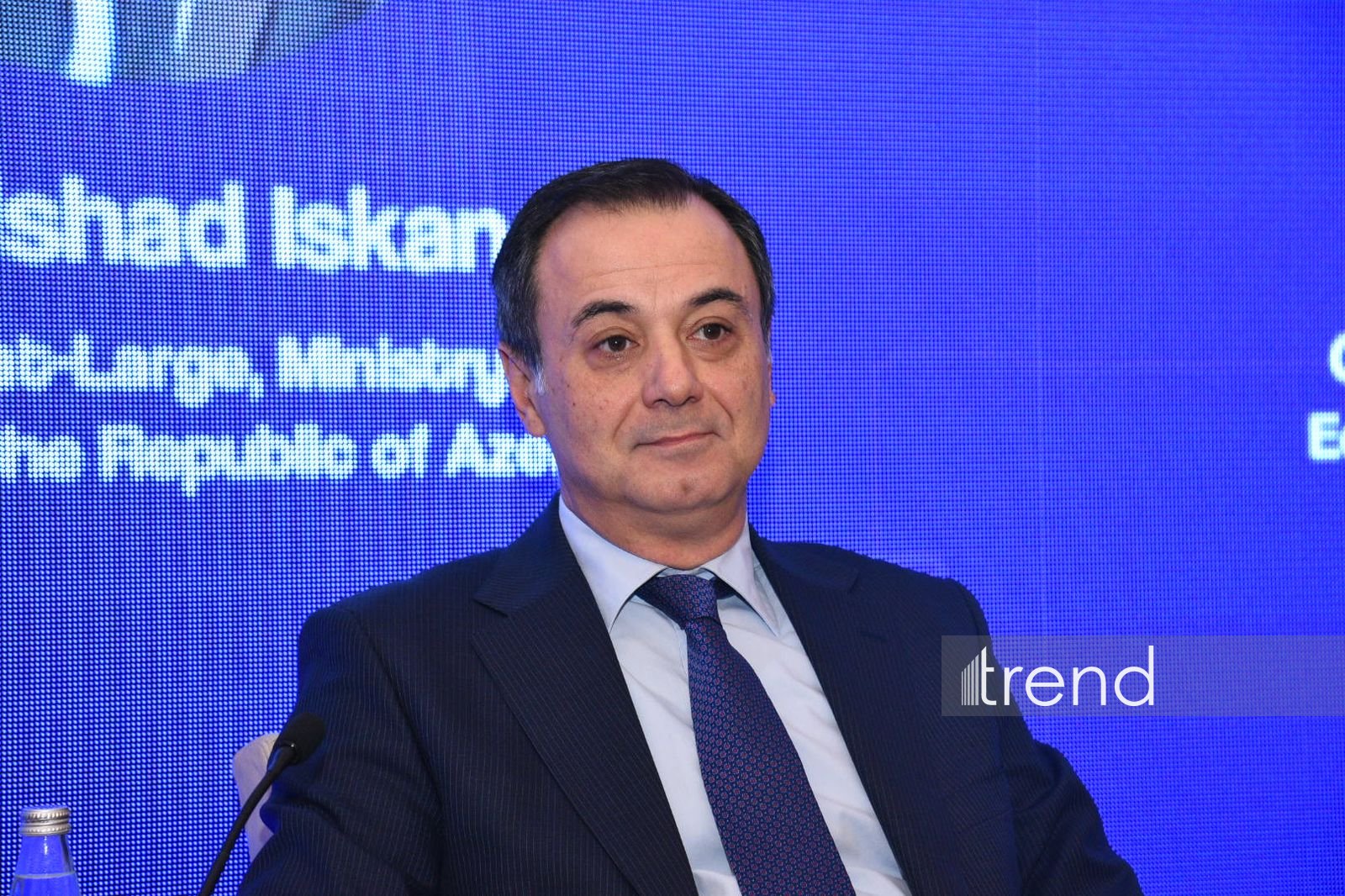
The spread of disinformation has reached alarming levels in modern society, according to Elshad Iskandarov, Ambassador-at-Large at the Ministry of Foreign Affairs of Azerbaijan. Speaking at the “Youth Week of Non-Aligned Movement” event in Baku, Iskandarov highlighted the challenges posed by unchecked information sharing in today’s digital landscape.
“We are currently living in an era characterized by the pervasive spread of misinformation,” Iskandarov told attendees. He noted that this phenomenon becomes particularly apparent in everyday conversations about current events, whether with younger generations or older family members.
The diplomat expressed concern over how easily false information travels through social networks, with many users sharing content without verifying its accuracy. “It is not uncommon for individuals to share content seen on social media without applying any filtering or fact-checking,” he said, adding that people often unwittingly circulate “sensationalized information that ultimately proves to be disinformation, fabricated, or purposefully engineered as a form of informational disruption.”
Iskandarov placed special emphasis on the role of emerging technologies in accelerating this problem. He specifically pointed to artificial intelligence as a prime example of how technological advancements, while beneficial in many ways, can be weaponized to distort reality and spread falsehoods at unprecedented speeds.
The rise of sophisticated AI tools capable of creating convincing fake images, videos, and text has significantly complicated efforts to distinguish between authentic and manipulated content. These technologies have lowered the barrier for creating persuasive disinformation campaigns, making it increasingly difficult for ordinary citizens to identify reliable information sources.
In response to these challenges, Iskandarov called for “continuous and methodical efforts to harness science and technology” for counteracting disinformation rather than enabling it. He advocated for technological solutions that promote critical thinking and fact-based discourse, suggesting that such tools should be integrated into diplomatic frameworks and international cooperation initiatives.
The Non-Aligned Movement, comprising 120 member states not formally aligned with major power blocs, has increasingly focused on information integrity as part of its agenda. Azerbaijan, which has chaired the movement since 2019, has used its leadership position to highlight information security as a crucial element of international stability.
However, Iskandarov acknowledged the delicate balance required when addressing disinformation. “This is an extremely sensitive topic, as the issues of censorship, freedom of information, and freedom of expression come to the fore,” he explained. Finding equilibrium between combating false information while preserving free speech remains one of the most significant challenges for policymakers and international organizations.
The diplomat’s remarks come amid growing global concern about the impact of disinformation on democratic processes, public health initiatives, and international relations. Several countries have implemented or proposed regulatory frameworks to address disinformation, though approaches vary widely based on different political and cultural contexts.
For Azerbaijan, which has experienced its share of information warfare particularly during periods of regional tension, developing resilience against disinformation campaigns represents both a national security priority and a focus of its diplomatic engagement with international partners.
As technologies continue to evolve, Iskandarov’s call for proactive measures underscores the urgency of developing effective strategies to promote information integrity while respecting fundamental freedoms in the digital age.
Fact Checker
Verify the accuracy of this article using The Disinformation Commission analysis and real-time sources.

16 Comments
The ambassador’s warning about the dangers of unchecked information sharing is a valid concern. Disinformation can have far-reaching consequences, so we must all be more discerning consumers of online content. Kudos to Azerbaijan for highlighting this challenge.
Interesting to hear Azerbaijan’s perspective on the disinformation challenge. Sounds like a growing issue worldwide that needs to be addressed through fact-checking and raising awareness. Curious to learn more about their approach.
Yes, it’s a global problem that requires concerted efforts. I’m glad to see Azerbaijan taking it seriously and hope other countries follow suit.
Disinformation is a major challenge that requires a multi-pronged approach. I’m glad to see Azerbaijan taking steps to address this issue. Raising awareness, improving media literacy, and fostering a culture of responsible information sharing are all crucial. This is a global problem that needs global solutions.
Concerning to hear about the growing challenge of disinformation, especially how easily false information can spread online. Fact-checking is so important these days before sharing content. Glad to see the Azerbaijani government is addressing this issue.
Absolutely. Disinformation poses real risks to society, so it’s crucial we all remain vigilant and verify information before passing it along.
I appreciate the Azerbaijani ambassador highlighting this critical problem. In the digital age, it’s so easy for misinformation to circulate rapidly. We need more education on media literacy and responsible information sharing.
Agreed. Promoting critical thinking and verifying sources is the best way to combat the spread of disinformation online.
It’s good to see Azerbaijan taking a proactive stance in addressing the disinformation crisis. Fact-checking and promoting responsible information sharing should be priorities for all governments and social media platforms. This is a critical issue that requires a concerted global effort.
Interesting to hear Azerbaijan’s perspective on the disinformation challenge. The rapid spread of false information through social media is definitely a growing problem globally. More education and awareness around media literacy is key to combating this trend.
The ambassador’s warning about the pervasive spread of misinformation is a concerning yet important message. In the digital age, the ease with which false information can travel is alarming. Fact-checking and promoting media literacy are essential to combating this threat to society.
The Azerbaijani ambassador raises some valid concerns about the dangers of unchecked information sharing in the digital age. Disinformation can have serious implications, so it’s important that we all strive to be more discerning consumers of online content. Kudos to Azerbaijan for highlighting this important issue.
The ambassador makes a fair point. Social media has amplified the spread of misinformation, which can have serious consequences. Improving media literacy, especially among younger generations, is crucial to combating this trend.
Agreed. Educating people on how to identify and avoid sharing false information is key. Responsible social media use is an important life skill these days.
Disinformation is a major challenge in the digital age. I’m glad to see Azerbaijan taking a proactive stance in addressing this issue. More transparency and accountability around online content is needed to combat the spread of fake news.
Well said. Fact-checking and fostering a culture of media literacy are essential to curbing the disinformation crisis. It’s a complex problem, but an important one to tackle.