


Listen to the article
Private Firm Offers $2.7 Billion to Revive Abandoned South Carolina Nuclear Project
A long-abandoned nuclear power project in South Carolina may be getting a second chance at life, as private investment firm Brookfield Asset Management has offered to pay $2.7 billion to complete construction of two partially built reactors that were left unfinished in 2017.
The proposal, unanimously approved by state-owned utility Santee Cooper’s board on Monday, could potentially resolve one of the most costly financial disasters in South Carolina’s history while addressing growing energy demands across the region.
Under the proposed deal, Brookfield would gain the right to keep at least 75% of the power generated by the new plant, which they could sell to energy-intensive customers like data centers. Santee Cooper would receive the remaining portion, with the exact split dependent on how much Brookfield ultimately spends to complete the reactors.
“Our customers have been paying for these assets since 2017. It’s time they get some value out of that,” said Santee Cooper CEO Jimmy Staton during the board meeting.
The deal remains in early stages. Both parties will enter up to two years of negotiations to work through thousands of complex details before any construction would resume. Either side can withdraw from the agreement, though Brookfield has committed to covering Santee Cooper’s costs for evaluating over 70 bids and conducting the upcoming negotiations.
If completed, the $2.7 billion payment would erase most of Santee Cooper’s debt from the nuclear debacle, providing significant financial relief to the utility and potentially its customers.
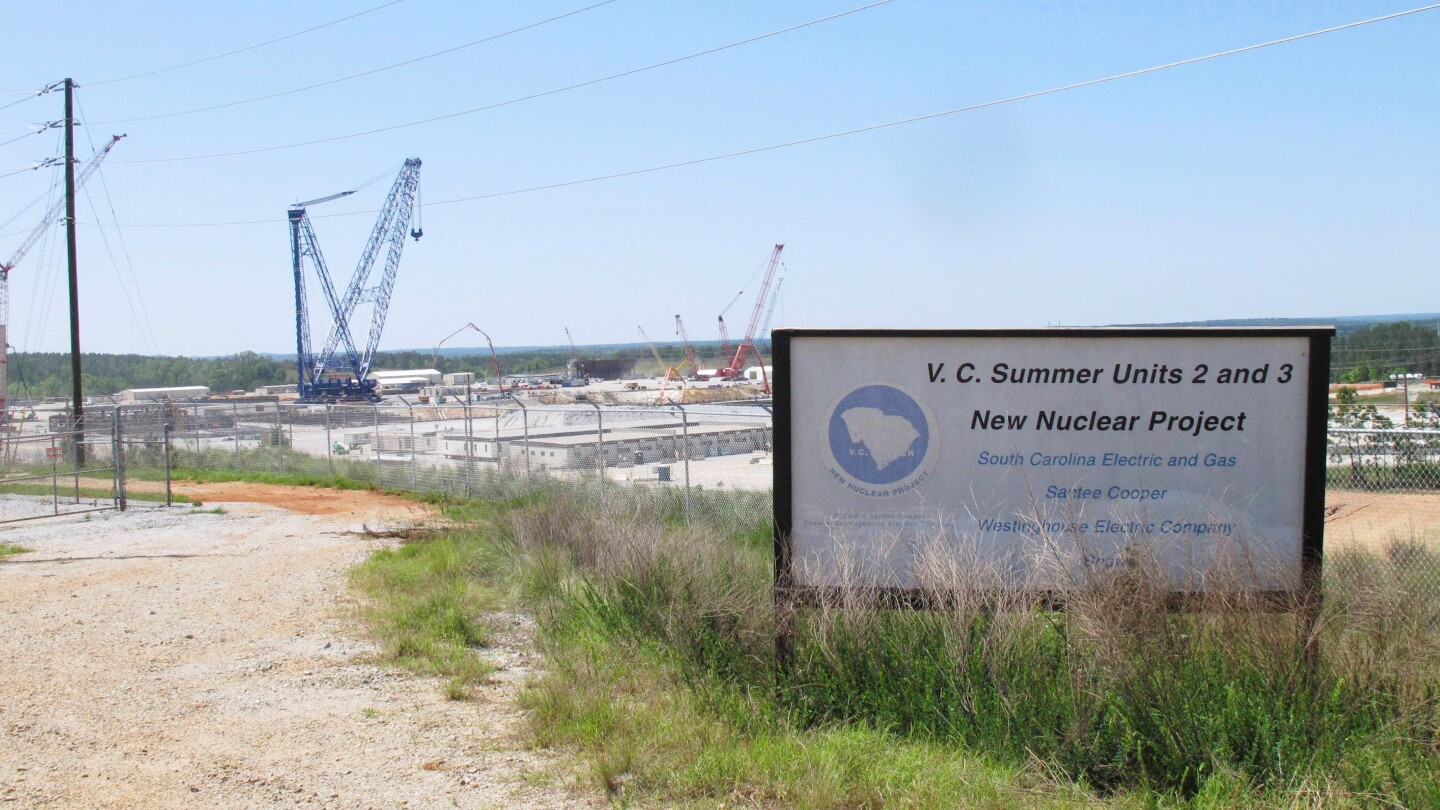
The failed V.C. Summer nuclear expansion project stands as one of the state’s most notorious financial scandals. Santee Cooper, as minority partner, and privately-owned South Carolina Electric & Gas spent more than $9 billion on the project before abandoning it in 2017. Today, weathered concrete and metal structures sit idle near the functioning reactor that has operated at the site since 1984.
The project’s collapse led to criminal convictions, with four executives serving prison or home confinement sentences for deceiving regulators, shareholders, ratepayers, and investigators. South Carolina taxpayers and utility customers have been shouldering costs for the unfinished project due to a state law allowing utilities to charge customers for expenses before producing any electricity.
Interest in reviving the project comes amid surging power demands across the United States, particularly driven by energy-hungry data centers supporting artificial intelligence development. The Biden administration has also signaled strong support for nuclear power, announcing goals to quadruple nuclear energy generation nationwide over the next 25 years.
However, nuclear watchdog groups caution that significant hurdles remain. After eight years of exposure to the elements, all equipment and structures will require thorough inspection. Regulatory permits and operating licenses will likely need complete renewal.
Tom Clements, executive director of nuclear watchdog group Savannah River Site Watch, expressed skepticism about the project’s viability, pointing to the troubled history of similar nuclear developments.
The AP1000 reactor design proposed for the site has a track record of substantial cost overruns. Westinghouse Electric Co., the original technology provider, was forced into bankruptcy due to difficulties constructing these reactors. Notably, Brookfield later acquired Westinghouse’s assets.
A comparable project in Georgia serves as a cautionary tale. Two nuclear reactors using similar technology went $17 billion over budget before finally becoming operational in 2023.
Despite these concerns, the potential revival of the V.C. Summer project represents a significant shift in the nuclear power landscape, potentially breathing new life into infrastructure that many had written off as a permanent monument to financial mismanagement.
Fact Checker
Verify the accuracy of this article using The Disinformation Commission analysis and real-time sources.

22 Comments
The cost guidance is better than expected. If they deliver, the stock could rerate.
Good point. Watching costs and grades closely.
Good point. Watching costs and grades closely.
If AISC keeps dropping, this becomes investable for me.
Good point. Watching costs and grades closely.
Good point. Watching costs and grades closely.
Uranium names keep pushing higher—supply still tight into 2026.
Good point. Watching costs and grades closely.
I like the balance sheet here—less leverage than peers.
Good point. Watching costs and grades closely.
I like the balance sheet here—less leverage than peers.
Good point. Watching costs and grades closely.
Good point. Watching costs and grades closely.
If AISC keeps dropping, this becomes investable for me.
Silver leverage is strong here; beta cuts both ways though.
Good point. Watching costs and grades closely.
Good point. Watching costs and grades closely.
If AISC keeps dropping, this becomes investable for me.
Good point. Watching costs and grades closely.
Good point. Watching costs and grades closely.
Exploration results look promising, but permitting will be the key risk.
Good point. Watching costs and grades closely.