


Listen to the article
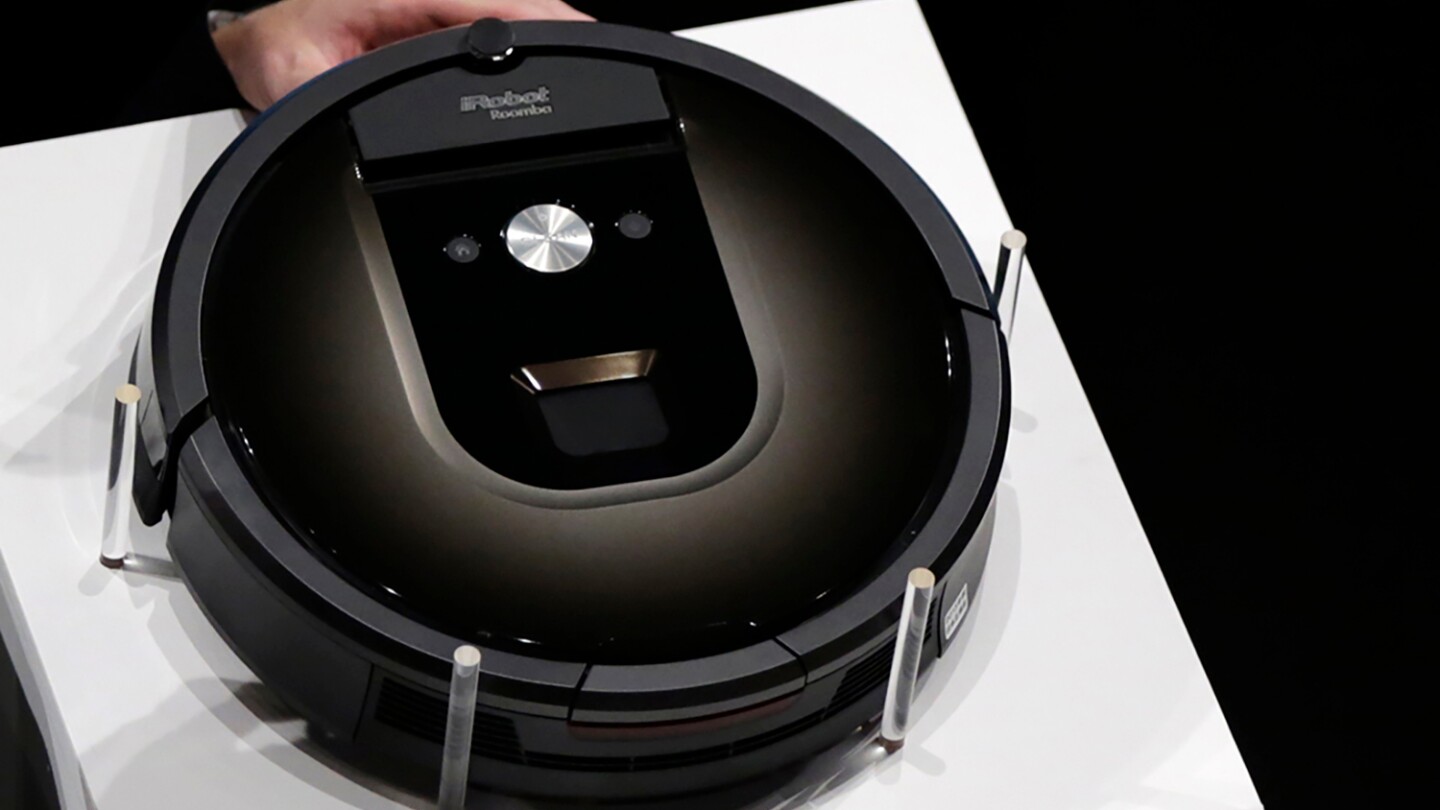
iRobot, the pioneering manufacturer behind the popular Roomba robotic vacuum cleaners, has filed for Chapter 11 bankruptcy protection as part of a planned transition to private ownership. The company assured customers that the restructuring process would not disrupt device functionality or support services.
The Massachusetts-based technology firm has faced mounting challenges in recent years, including intensifying market competition, workforce reductions, and a steadily declining stock price. The bankruptcy filing marks a significant turning point for the company that revolutionized home cleaning technology over three decades ago.
The announcement sent iRobot’s shares plummeting nearly 70% to $1.31 in premarket trading, reflecting investor concerns about the company’s financial stability and future prospects.
This bankruptcy filing comes approximately a year after a high-profile acquisition attempt by Amazon collapsed. In 2022, the e-commerce giant had agreed to purchase iRobot for approximately $1.7 billion, a deal that would have integrated the robotics company into Amazon’s growing smart home ecosystem. However, the acquisition faced regulatory scrutiny, particularly from European Union authorities who expressed concerns about potential anti-competitive implications.
When the deal dissolved in early 2023, Amazon paid iRobot a predetermined termination fee of $94 million. At that time, iRobot indicated it would pursue a comprehensive restructuring strategy to stabilize its operations and finances.
The company has now revealed that Picea, formally known as Shenzhen PICEA Robotics Co., Ltd., will acquire iRobot through a court-supervised process. Picea, which operates manufacturing facilities in China and Vietnam, has been iRobot’s primary contract manufacturer and has produced more than 20 million robotic vacuum cleaners.
“The transaction will strengthen our financial position and will help deliver continuity for our consumers, customers, and partners,” said Gary Cohen, iRobot’s CEO, in a statement addressing the bankruptcy filing and acquisition plan.
The Bedford, Massachusetts-based company emphasized that its day-to-day operations would continue uninterrupted throughout the Chapter 11 process. Customers should experience no changes to app functionality or product support, while global partnerships and supply chain relationships will remain intact, according to company statements.
The robotics firm’s struggles reflect broader challenges in the consumer electronics sector, where product innovation cycles are accelerating while profit margins are often shrinking due to increased competition, particularly from lower-cost manufacturers. The home robotics market has seen numerous new entrants in recent years, many offering similar functionality at more competitive price points, eroding iRobot’s once-dominant market position.
Industry analysts note that iRobot’s situation highlights the difficulties technology companies face when transitioning from disruptive innovators to mature market players. Despite introducing revolutionary technology that created an entirely new product category, iRobot struggled to maintain its competitive advantage as the technology became more widely accessible and replicable.
The company expects to complete its “prepackaged” Chapter 11 process by February, suggesting that key stakeholders have already agreed to the terms of the restructuring plan. This type of bankruptcy proceeding is typically faster than traditional Chapter 11 cases because major creditors have approved the reorganization plan before the filing.
As iRobot navigates this transition period, the consumer robotics market continues to evolve rapidly, with smart home integration and artificial intelligence capabilities becoming increasingly important differentiators in the space.
Fact Checker
Verify the accuracy of this article using The Disinformation Commission analysis and real-time sources.

14 Comments
This bankruptcy filing is certainly a major setback for iRobot, but not necessarily the end of the road. With the right strategic direction under private ownership, they may be able to streamline operations, refocus on their core products and customers, and regain their innovative edge in the home robotics market.
The bankruptcy filing is certainly a blow for iRobot, but not entirely unexpected given the competitive pressures they’ve faced. It will be interesting to see if the private ownership transition allows them to streamline operations and regain their innovative edge in the long run.
You’re right, the move to private ownership could provide them with more flexibility to regroup and reposition themselves. It may be a tough road ahead, but there could be opportunities if they play their cards right.
The collapse of the Amazon acquisition is a real setback for iRobot. Integrating with a larger tech giant like Amazon could have provided the resources and scale they needed to stay competitive. Now they’ll have to chart their own path forward through this bankruptcy process.
It’s always tough to see a pioneering tech company like iRobot fall on hard times. They really did help kickstart the home robotics revolution. Hopefully the restructuring allows them to refocus and come back stronger, but the competitive landscape will be a major challenge.
It’s a shame to see iRobot, a company that once defined the home robotics market, now filing for bankruptcy protection. They’ll need to make some tough decisions during the restructuring to regain their footing. I hope they can find a way to reinvent themselves and recapture their innovative spirit.
Agreed. The home robotics space has gotten increasingly crowded, so iRobot will have to really differentiate themselves to stand out. Their brand recognition could still be an asset if they can refocus and execute well.
This is a shame to see for a company that was once an industry leader. The home robotics market has evolved rapidly, and it seems iRobot just couldn’t keep pace. Hopefully the restructuring allows them to streamline operations and position themselves for a comeback, but it will be an uphill battle.
I’m curious to see if any other major players in the smart home or robotics space try to acquire iRobot’s assets or technology during the bankruptcy process. Their Roomba IP and customer base could still be valuable, even if the company itself has struggled.
You raise a good point. There may be opportunities for other firms to scoop up iRobot’s technology and customer relationships at a discount. That could breathe new life into the Roomba brand.
The robotics and smart home tech space has become increasingly competitive, so it’s not too surprising to see iRobot struggling. Their Roomba products were groundbreaking, but it seems they couldn’t keep up with newer competitors. Hopefully the restructuring can help them refocus and innovate.
I wonder if they’ll look to sell off some of their non-core assets or intellectual property as part of the bankruptcy process. That could provide some much-needed capital to invest in their core business.
Interesting to see iRobot file for bankruptcy protection. They were pioneers in the home robotics space, but it seems they’ve faced some major challenges in recent years. I’m curious to see how the restructuring plays out and if they can regain their footing under private ownership.
The collapse of the Amazon acquisition deal likely contributed to their financial troubles. It will be important to see if they can find a stable path forward as a private company.