


Listen to the article
U.S. retail sales rose a better-than-expected 0.6% in November as holiday shopping season gained momentum, according to delayed Commerce Department data released Wednesday. The increase followed a revised 0.1% decline in October, offering a positive signal for consumer spending amid economic uncertainties.
The long-awaited report, delayed over a month due to the 43-day government shutdown, showed American shoppers concentrated their spending on gift-related categories while pulling back from home-related purchases. This pattern suggests consumers prioritized holiday shopping while remaining cautious about larger household investments.
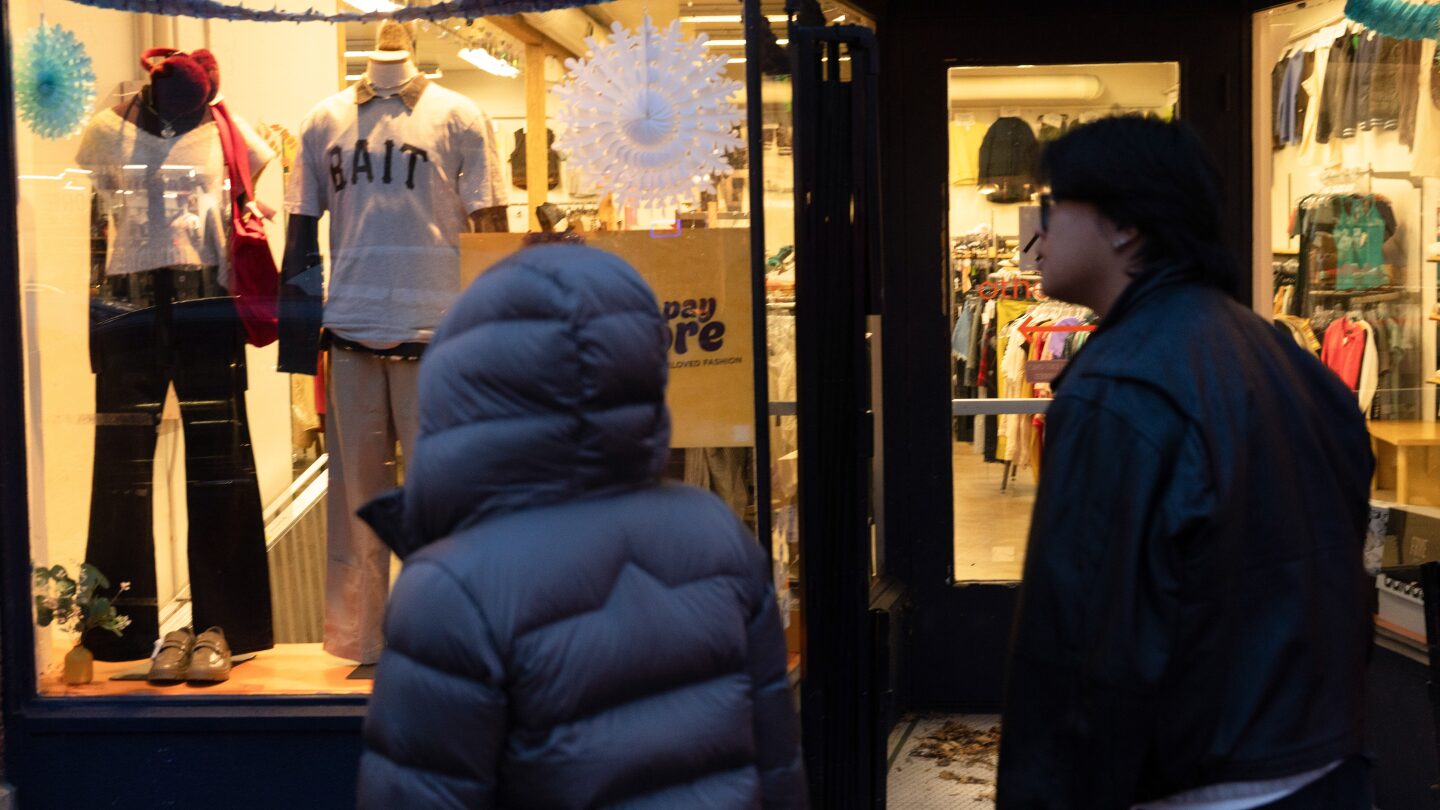
Clothing and accessories stores saw a 0.9% sales increase, while online retailers experienced a modest 0.4% rise. Sporting goods and hobby stores performed particularly well with a 1.9% increase, indicating strong consumer interest in recreational gifts. Meanwhile, furniture and home furnishing stores registered a slight 0.1% decline, and electronics and appliance stores saw flat sales.
The restaurant sector, the only service category included in the retail report, posted a healthy 0.6% increase. A closely watched category that excludes volatile sectors like gasoline, automobiles and restaurants rose by 0.4%, suggesting underlying strength in consumer discretionary spending.
“Consumers are gloomy, but they are still spending,” explained Heather Long, chief economist at Navy Federal Credit Union. “The only areas they are pulling back in are home improvement, home furnishings and some electronics and appliances. Outside of those areas, consumers continue to spend and they are likely to keep that up in early 2026 as they receive larger-than-normal tax refunds.”
The report emerged as a focal point during the annual National Retail Federation convention, which drew 41,000 attendees from across the retail ecosystem. Industry leaders gathered amid concerns about consumer anxiety regarding high prices, the impact of President Donald Trump’s tariffs, and a deteriorating job market.
Despite these challenges, preliminary data suggest retailers experienced a solid holiday shopping season overall. The National Retail Federation projects that November-December sales grew between 3.7% and 4.2% over 2024 levels, potentially reaching $1.02 trillion compared to $976.1 billion the previous year. Final figures for the holiday period will be released next month when December retail data becomes available.
Some retailers are already reporting positive holiday results. Lululemon Athletica announced that fourth-quarter profit and revenue are expected to reach the high end of its previously released outlook, while Abercrombie & Fitch Co. reported strong holiday performance for both its Hollister and Abercrombie brands. A more comprehensive picture will emerge when major retailers like Walmart and Macy’s report their fourth-quarter results.
The retail sales report coincides with encouraging inflation data. Consumer prices rose 0.3% in December, matching November’s increase, while core prices (excluding food and energy) increased 0.2%. These moderate increases suggest inflation pressures may be gradually easing. Notably, manufactured goods prices remained flat in December, potentially indicating that tariff impacts are beginning to subside.
However, economic challenges persist. Hiring trends have been weak, raising concerns about future consumer spending capacity and broader economic growth for 2026. Lower-income households remain particularly financially strained despite the overall positive retail performance.
The federal government continues to catch up on economic reports postponed by the shutdown, with this retail data offering important insights into consumer behavior during a crucial period for retailers. While the holiday spending appears to have met expectations, underlying economic concerns suggest retailers may face a more challenging environment in the months ahead.
Fact Checker
Verify the accuracy of this article using The Disinformation Commission analysis and real-time sources.

9 Comments
The shift away from home-related purchases is notable – could indicate consumers are being more selective with bigger-ticket items. But the solid gains in gift-focused categories are encouraging for the overall retail landscape.
Good point. The strength in gift-buying could provide a boost for certain metals and minerals used in consumer electronics, jewelry, and other holiday products. Will be interesting to see if that flow-through materializes.
The flat performance for electronics and appliances is a bit surprising given the prominence of tech gifts during the holidays. Could be a sign of consumer caution in that category or increased competition from online retailers.
Good observation. The electronics sector is heavily dependent on materials like copper, rare earths, and lithium. If sales remain muted, it could impact demand outlook for those critical mining commodities.
Interesting to see the retail sales data show strength in holiday shopping categories like clothing, accessories, and sporting goods. Suggests consumers are still feeling confident to spend despite economic uncertainties.
You’re right, the resilience in consumer spending is a positive sign heading into the holiday season. It’ll be worth watching how that translates to performance for retailers and related commodities like copper.
The resilience in the restaurant sector is encouraging, as it suggests consumers are still willing to spend on experiences and services beyond just retail goods. That could bode well for energy demand and related industries.
The delayed data release due to the government shutdown is a reminder of how political disruptions can impact economic reporting. Hopefully we see smoother reporting going forward as government operations normalize.
Absolutely. Timely and reliable economic data is crucial for businesses and investors to make informed decisions. Delays like this can create unnecessary uncertainty in the markets.