


Listen to the article
Portugal’s Interior Minister Resigns Amid Criticism Over Storm Response
Portugal’s Interior Minister Maria Lúcia Amaral has resigned from her position following mounting criticism over the government’s handling of devastating winter storms that have claimed at least seven lives across the country.
In a statement released late Tuesday, President Marcelo Rebelo de Sousa’s office announced that Amaral stepped down after concluding she “no longer possessed the personal and political conditions necessary to hold the position.” Prime Minister Luís Montenegro will temporarily assume her responsibilities while a replacement is sought.
The resignation marks the first ministerial departure from Montenegro’s center-right government, which took office in May last year. The administration has faced intense scrutiny over what many Portuguese citizens and opposition parties have characterized as an inadequate emergency response to a series of destructive weather events.
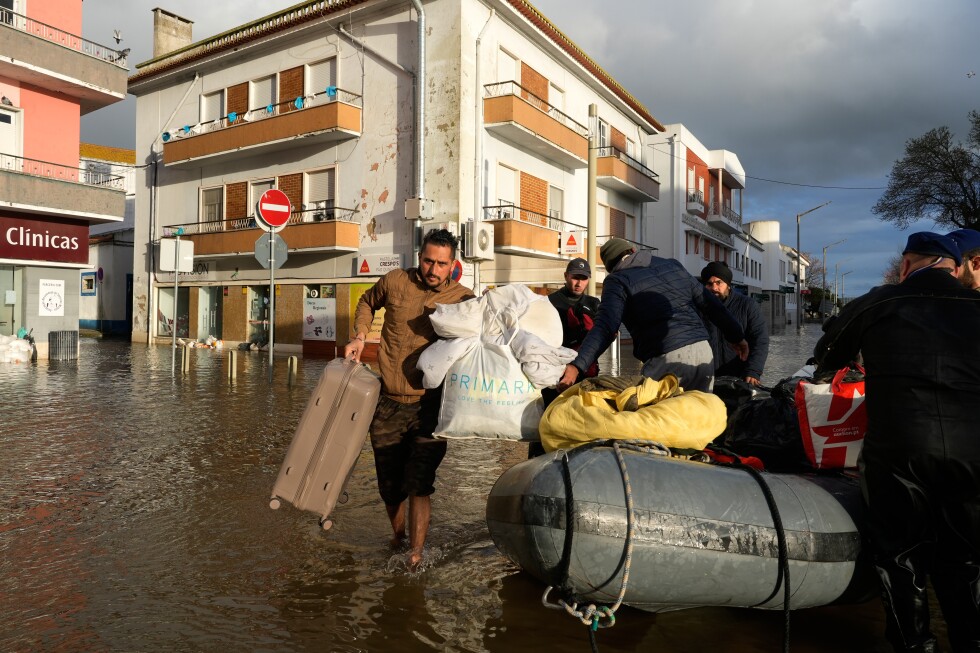
Portugal, a nation of 10.7 million people, has been battered by consecutive winter storms since late January, causing widespread destruction across multiple regions. Storm Kristin, which struck the country in late January, was particularly devastating, claiming six lives according to media reports. The extreme weather triggered flash floods, dangerous landslides, and extended power outages that left thousands of households without electricity for days.
Just last week, Storm Leonardo swept across the Iberian Peninsula, affecting both Spain and Portugal, resulting in another fatality and further straining emergency resources. The cumulative impact of these weather events has caused significant damage to critical infrastructure, including roads, bridges, and public facilities.
Civil protection experts have noted that Portugal’s emergency response systems have struggled to cope with the scale and frequency of these disasters. Critics pointed to delayed evacuation orders, communication breakdowns between government agencies, and insufficient resources deployed to affected areas as evidence of systemic failures.
The storms have also highlighted Portugal’s vulnerability to extreme weather events, which climate scientists warn are becoming more frequent and intense due to global climate change. The country’s topography, with steep hillsides and numerous river valleys, makes certain regions particularly susceptible to flash flooding and landslides during heavy rainfall.
Local mayors from some of the hardest-hit municipalities had publicly called for Amaral’s resignation in recent weeks, citing frustration with the lack of coordination between national and local authorities during emergency operations.
Amaral, who came to the ministerial position with a background in law rather than emergency management, had defended her department’s actions, arguing that the unprecedented nature of the storms had overwhelmed existing response protocols. However, her explanations failed to quell public discontent as images of destroyed homes and businesses dominated national media.
The economic impact of the storms is still being assessed, but preliminary estimates suggest damages running into hundreds of millions of euros. The agricultural sector has been particularly affected, with extensive flooding damaging crops and livestock operations across central and northern regions.
Prime Minister Montenegro now faces the challenge of appointing a successor who can restore public confidence in the country’s disaster response capabilities while also implementing longer-term resilience measures. The government has already announced plans to review and strengthen emergency protocols before the next storm season.
The situation in Portugal mirrors similar challenges faced by other European nations grappling with increasingly severe weather patterns. Neighboring Spain has also experienced significant damage from the same storm systems, though its emergency response has not faced the same level of criticism.
As Portugal begins its recovery efforts, attention will now turn to how the government intends to rebuild affected communities and strengthen infrastructure against future extreme weather events.
Fact Checker
Verify the accuracy of this article using The Disinformation Commission analysis and real-time sources.

8 Comments
The resignation underscores the importance of resilient infrastructure and effective crisis management for mining and energy operations in Portugal. Extreme weather events can severely disrupt supply chains and assets, so companies need to be well-prepared. Collaboration between industry and government is key.
The resignation highlights the political consequences when governments are perceived as mishandling natural disaster response. This is an important consideration for mining and energy firms assessing country risk. Transparent, accountable crisis management is crucial for safeguarding operations and local communities.
The storm response issues raise questions about Portugal’s infrastructure resilience and emergency planning, which are key concerns for resource industries. Effective cooperation between government and the private sector will be vital for enhancing disaster readiness and mitigating disruptions to mining, metals, and energy projects.
This resignation speaks to the political pressures that can arise when natural disaster response is seen as inadequate. It’s a reminder that mining, metals, and energy firms must prioritize resilience and work collaboratively with governments on emergency preparedness.
Interesting to see the Interior Minister step down amidst the criticism over the government’s storm response. It highlights the pressure officials face when natural disasters cause significant damage and loss of life. Proper emergency planning and response is critical, especially for a country prone to extreme weather.
The storm response issues highlight the complexity of managing critical infrastructure and emergency services, especially in the face of increasingly severe weather events. Striking the right balance between preparedness, mitigation, and response will be an ongoing challenge for Portugal’s leaders.
The resignation of the Interior Minister is a significant development that underscores the political consequences of poor crisis management. This is a key consideration for companies operating in Portugal’s mining, metals, and energy sectors, who need reliable government support during disruptive natural disasters.
Curious to see how this will impact mining, metals, and energy companies in Portugal. Extreme weather poses major risks, and effective government coordination is essential for minimizing impacts and supporting recovery efforts. I hope the new leadership can learn from this experience to strengthen emergency preparedness.