


Listen to the article
The American Dream of homeownership continues to slip further away for young adults like 27-year-old Brian Torres Suazo of Las Vegas. Despite having a secure job with union wages and access to down payment assistance, Torres Suazo expects to continue living with roommates for the foreseeable future.
“I would be paying more — a lot more — in mortgage than I am for rent right now,” said Torres Suazo, who works as a food runner on the Las Vegas Strip. “It’d be nice if more people that knew what it’s like to work for a living could be in those rooms to make decisions.”
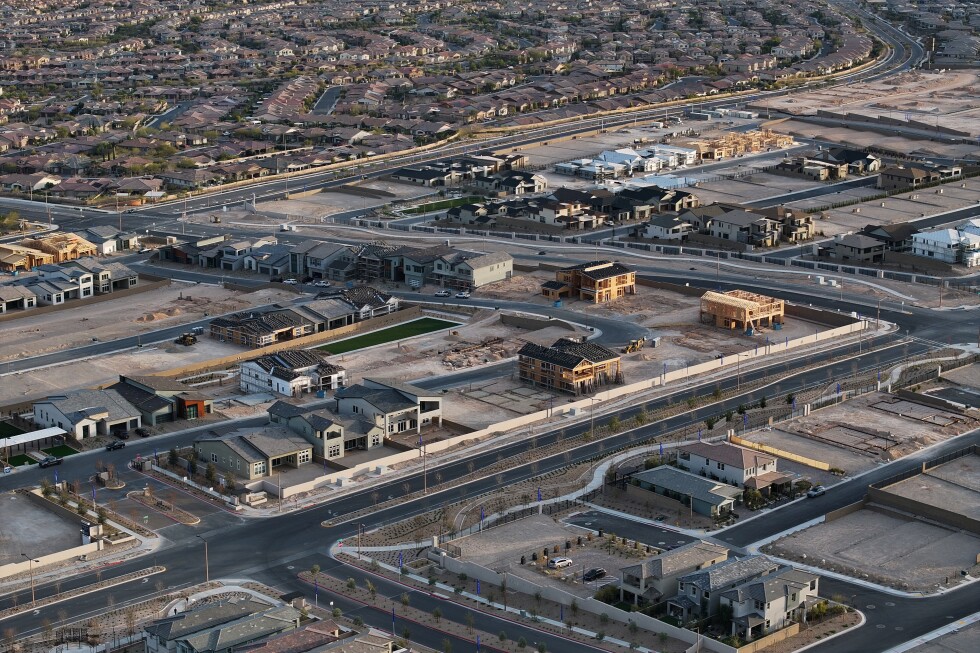
His experience reflects a growing nationwide crisis that has transformed housing affordability from a coastal issue into a nationwide concern. The problem has become particularly acute in previously affordable cities like Las Vegas, where home prices have surged dramatically in recent years.
In Las Vegas, resale home prices rose 53% between December 2019 and the same month last year, according to the Case-Shiller index. The median home sale price jumped 65% between early 2020 and early 2023, reaching $393,000, Federal Reserve data shows. Although prices have slightly decreased to $379,000 in late 2023, the combination of elevated prices and higher mortgage rates has placed homeownership out of reach for many.
The pandemic fundamentally altered housing markets nationwide. Remote workers from high-cost coastal regions relocated to Sun Belt cities like Las Vegas, Phoenix, Dallas, and Charlotte, driving up prices in these previously affordable markets. Simultaneously, near-zero interest rates enabled existing homeowners to lock in historically low mortgage payments through refinancing.
When these favorable conditions ended, the market shock was severe. Mortgage rates skyrocketed from a pandemic low of 2.65% in 2021 to nearly 8% in 2023, before settling around 6% this quarter. The impact on affordability has been staggering: the median resale house in Las Vegas with a 20% down payment now costs approximately $2,300 monthly – double the payment required in December 2019.
Clark County, which includes Las Vegas, has experienced population growth of 17% over the past decade, reaching 2.4 million residents – far outpacing the national growth rate of 6%. This influx has intensified housing pressure in a city already defined by its tourism and entertainment economy, which attracted nearly 40 million visitors and generated $14 billion in casino wagers last year.
“If you ask locals who grew up here, some of them feel that housing is out of reach for them,” explained Las Vegas real estate agent Tony Clifford. “You talk to somebody from out of state – Northwest, West, California – we’re still so cheap compared to them.”
The housing crisis has been exacerbated by corporate investors, who now own approximately 11% of single-family home rentals in Las Vegas – significantly higher than the national average of 3%. This trend has sparked bipartisan calls for action. Former President Donald Trump proposed banning institutional investors from buying houses, while Nevada Attorney General Aaron Ford, a Democrat running for governor, has called for prohibiting algorithmic pricing of rents and removing regulatory barriers to new construction.
Republican Governor Joe Lombardo recently approved $64 million to boost housing development projects in Las Vegas and Reno, along with assistance programs for homebuyers. However, Nevada’s unique land ownership pattern – with 84% of the state under federal control – creates additional challenges for expansion.
For many Las Vegas residents, the crisis has left them feeling trapped. Michele Niemeyer, who purchased a condo near the Strip for over $500,000, now faces rising homeowners association fees that have reached $686 monthly. Her unit’s value has declined, yet the neighborhoods that were once in her budget when she purchased the condo have become unaffordable.
“I want to move,” Niemeyer said. “I just don’t know where.”
The housing affordability crisis has emerged as a central issue in the upcoming midterm elections, with Democrats focusing their campaign on economic concerns despite international events competing for attention. They argue that Trump’s administration hasn’t delivered on campaign promises to reduce costs, pointing to polls showing Americans believe the former president has neglected domestic economic issues.
Democratic strategist Paul Begala, who helped craft Bill Clinton’s 1992 campaign strategy that prioritized economic concerns during international turmoil, believes housing affordability will remain a decisive electoral issue even as foreign policy concerns rise.
“Trump’s refusal to lower the cost of living, and his willingness to raise the cost of health care, electricity, hamburger, and now gas, is a two-edged sword that will cut down a large number of congressional Republicans,” Begala said.
Housing presents a particularly complex political challenge. Existing homeowners generally benefit from price appreciation that increases their net worth on paper – a reality Trump has acknowledged by promising to keep property values high. However, these same high prices prevent homeowners from upgrading to better homes or neighborhoods, creating a market-wide stagnation that particularly impacts first-time buyers like Torres Suazo.
Fact Checker
Verify the accuracy of this article using The Disinformation Commission analysis and real-time sources.

14 Comments
The housing affordability crisis in Las Vegas is a sobering reminder of the challenges facing many young adults who are trying to achieve the American Dream of homeownership. With home prices rising much faster than incomes, it’s becoming increasingly difficult for these individuals to save up for a down payment and secure their own property.
Policymakers will need to carefully examine the underlying factors driving up housing costs in Las Vegas and other previously affordable cities. Finding effective solutions to address this issue should be a top priority to ensure that homeownership remains attainable for working-class individuals.
Housing affordability is a growing nationwide challenge, as exemplified by the dramatic price surge in previously affordable cities like Las Vegas. This situation reflects the broader struggle many young adults face in achieving the American Dream of homeownership.
It’s concerning to see home prices outpacing wage growth, making it increasingly difficult for working-class individuals to afford their own homes. Policymakers will need to address this issue to ensure housing remains accessible.
The Las Vegas housing market has become a symbol of the affordability crisis sweeping across the country. A 65% jump in median home prices over the past few years is pricing many residents out of the market, especially young adults just starting their careers.
It’s troubling to see housing costs rise so rapidly in a city that was once known for its relatively affordable homes. This trend highlights the need for innovative solutions to address the underlying factors driving up prices.
The rapid escalation of home prices in Las Vegas is a troubling sign of the broader housing affordability crisis sweeping across the country. This situation is pricing out many young adults and working-class families, making it increasingly difficult for them to achieve the dream of homeownership.
It’s concerning to see that even cities known for their relatively affordable housing are now struggling with skyrocketing prices. Addressing this challenge will require a multifaceted approach, including policy interventions and community-based initiatives to ensure that housing remains accessible to a diverse range of residents.
The soaring housing costs in Las Vegas are a stark reminder of the challenges facing the American Dream of homeownership. With home prices rising much faster than wages, it’s becoming increasingly difficult for young adults to save up for a down payment and secure their own property.
Policymakers will need to carefully examine the factors driving up housing prices in Las Vegas and other previously affordable cities. Addressing the root causes of this affordability crisis should be a top priority.
The surge in Las Vegas home prices is symptomatic of a broader nationwide trend, as housing affordability becomes a growing concern for many Americans. This situation underscores the need for innovative solutions to ensure that homeownership remains within reach for hardworking individuals.
It’s concerning to see that even cities known for their relatively affordable housing are now struggling with skyrocketing prices. Addressing this challenge will require a multi-faceted approach from policymakers and community stakeholders.
The housing affordability crisis in Las Vegas is a sobering reminder of the challenges facing many Americans who are striving to achieve the dream of homeownership. With home prices rising much faster than incomes, it’s becoming increasingly difficult for young adults and working-class families to save up for a down payment and secure their own property.
Policymakers and community stakeholders will need to work together to address the underlying factors driving up housing costs in Las Vegas and other previously affordable cities. Finding effective solutions to this issue should be a top priority to ensure that homeownership remains attainable for a wide range of residents.