


Listen to the article
The Jeffrey Epstein scandal that has long dominated American headlines is now sending shockwaves across Europe’s political establishment, royal families, and diplomatic corps. Following the U.S. Justice Department’s release of over 3 million pages of Epstein-related documents, high-profile European figures are facing severe consequences for their associations with the convicted sex offender who died in prison in 2019.
Unlike in the United States, where the fallout continues to unfold gradually, European parliamentary democracies have responded with swift and decisive action against those implicated in the files. While most of these individuals do not face allegations of sexual misconduct themselves, they are being held accountable for maintaining friendly relationships with Epstein after his conviction.
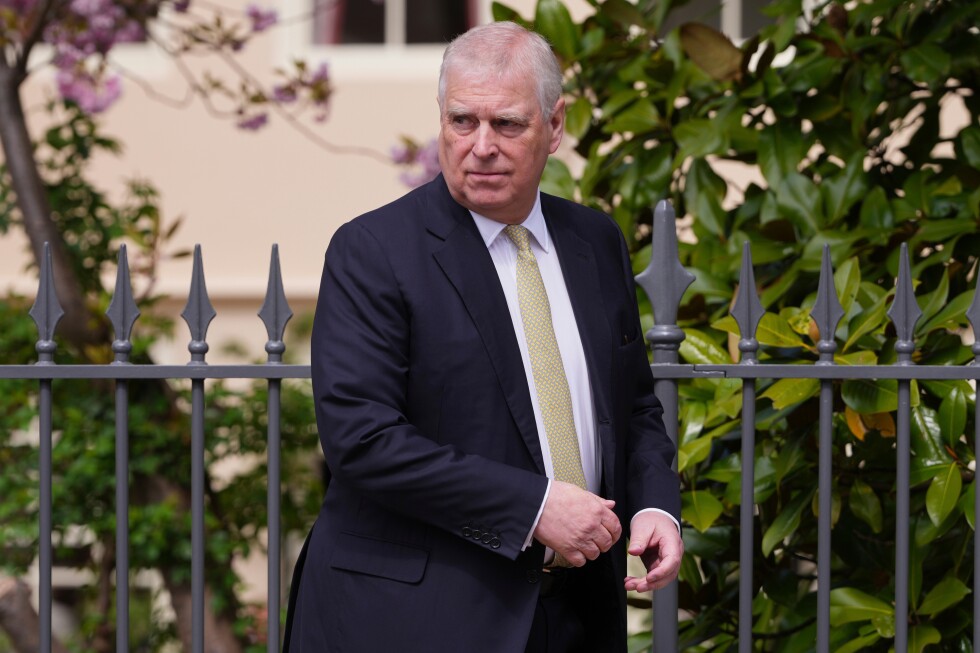
Among the most prominent figures affected is Andrew Mountbatten-Windsor, formerly known as Prince Andrew. King Charles III previously stripped his brother of royal titles following the scandal, and the recent document release has revealed even deeper ties between Andrew and Epstein. The files contain allegations that Andrew sent trade reports to Epstein in 2010, prompting Buckingham Palace to announce it would support any police inquiry into whether confidential information was shared. The former prince has already been forced to vacate his royal residence of more than two decades.
The British government has also been rocked by revelations concerning Peter Mandelson, a longtime Labour Party figure who Prime Minister Keir Starmer had appointed as the UK ambassador to Washington. Mandelson lost this prestigious position in September when Epstein emails revealed closer ties than he had initially acknowledged. The political fallout has been severe, with Starmer facing calls to resign from opponents and members of his own party. Mandelson now faces a criminal investigation over allegations that he shared market-sensitive information with Epstein approximately 15 years ago.
Norway’s royal family has not escaped unscathed. Crown Princess Mette-Marit was shown to have borrowed an Epstein-owned property in Palm Beach, Florida, in 2013. More damaging was an email exchange from 2012 in which Epstein mentioned being “on my wife hunt” with a preference for “Scandinavians,” to which Mette-Marit replied that Paris was “good for adultery” but “Scandis” were “better wife material.” The Crown Princess has since apologized for “the situation I have put the royal family in.”
Also in Norway, former Prime Minister Thorbjørn Jagland, who served as secretary-general of the Council of Europe, had his diplomatic immunity waived at the request of Norwegian authorities. The council stated that immunity is meant “to safeguard the independent exercise of official functions” rather than for “personal benefit.” Norwegian officials are investigating allegations of “aggravated corruption” after emails indicated Jagland had planned to visit Epstein’s island with his family in 2014.
The diplomatic corps has been particularly affected. Mona Juul, Norway’s former ambassador to Jordan who played a key role in Israeli-Palestinian peace negotiations in the 1990s, resigned after reports emerged that Epstein left $10 million to her children in his will. The Norwegian Foreign Ministry continues to investigate her connections to Epstein.
In France, 86-year-old Jack Lang, a former culture minister under President François Mitterrand, stepped down as head of the Arab World Institute in Paris following allegations of financial links to Epstein that prompted a tax investigation. Lang is the highest-profile French figure affected by the document release.
Slovakia has also seen political fallout, with Prime Minister Robert Fico’s national security adviser, Miroslav Lajčák, resigning over communications with Epstein. These included text messages discussing “gorgeous” girls. Lajčák, a former foreign minister and president of the UN General Assembly, has admitted feeling “like an idiot” when reading the messages today but described them as “nothing more than stupid male egos in action” and denied any wrongdoing.
As investigations continue across Europe, the Epstein scandal has become a stark reminder of accountability in public life, with European institutions moving decisively to distance themselves from those with connections to the disgraced financier.
Fact Checker
Verify the accuracy of this article using The Disinformation Commission analysis and real-time sources.

12 Comments
The release of these Epstein-related documents is clearly having a significant impact on European institutions and individuals. It’s concerning to see such high-profile figures implicated, even if they may not have been directly involved in criminal activities.
You’re right. This case demonstrates the need for robust systems of checks and balances, as well as a commitment to upholding the rule of law, regardless of one’s status or connections.
The Epstein scandal seems to be a complex web of connections and power dynamics, with the fallout now extending across the Atlantic. It’s concerning to see the level of influence and access that this convicted offender had, even after his initial conviction.
Absolutely. This case underscores the need for robust systems of accountability and oversight to prevent such individuals from maintaining positions of power and influence, even after facing criminal charges.
The latest developments in the Epstein case are certainly eye-opening, with European figures now facing consequences for their ties to the convicted sex offender. It’s a stark reminder of the need for greater scrutiny and accountability among the political and social elite.
Agreed. These revelations highlight the importance of transparency and the rule of law, which must be applied equally, regardless of one’s status or connections.
Interesting developments in the Epstein scandal. The fallout seems to be spreading across Europe, affecting prominent political and royal figures. This highlights the need for thorough investigations and accountability, regardless of one’s status or connections.
Indeed, these revelations underscore the importance of transparency and ethical conduct, especially among those in positions of power and influence.
The release of the Epstein documents is certainly causing a stir in Europe, with high-profile figures facing consequences for their associations with the convicted sex offender. This case highlights the need for stronger ethical standards and transparency among public officials and the elite.
You make a good point. These revelations emphasize the critical role that a free and independent press can play in exposing corruption and holding the powerful to account.
The Epstein scandal continues to reverberate, with new revelations now shaking up the European political and social landscape. This serves as a sobering reminder of the pervasive nature of corruption and the need for vigilance in addressing it.
Absolutely. These developments underscore the importance of independent, thorough investigations that can uncover the full extent of wrongdoing and hold all responsible parties accountable.