


Listen to the article
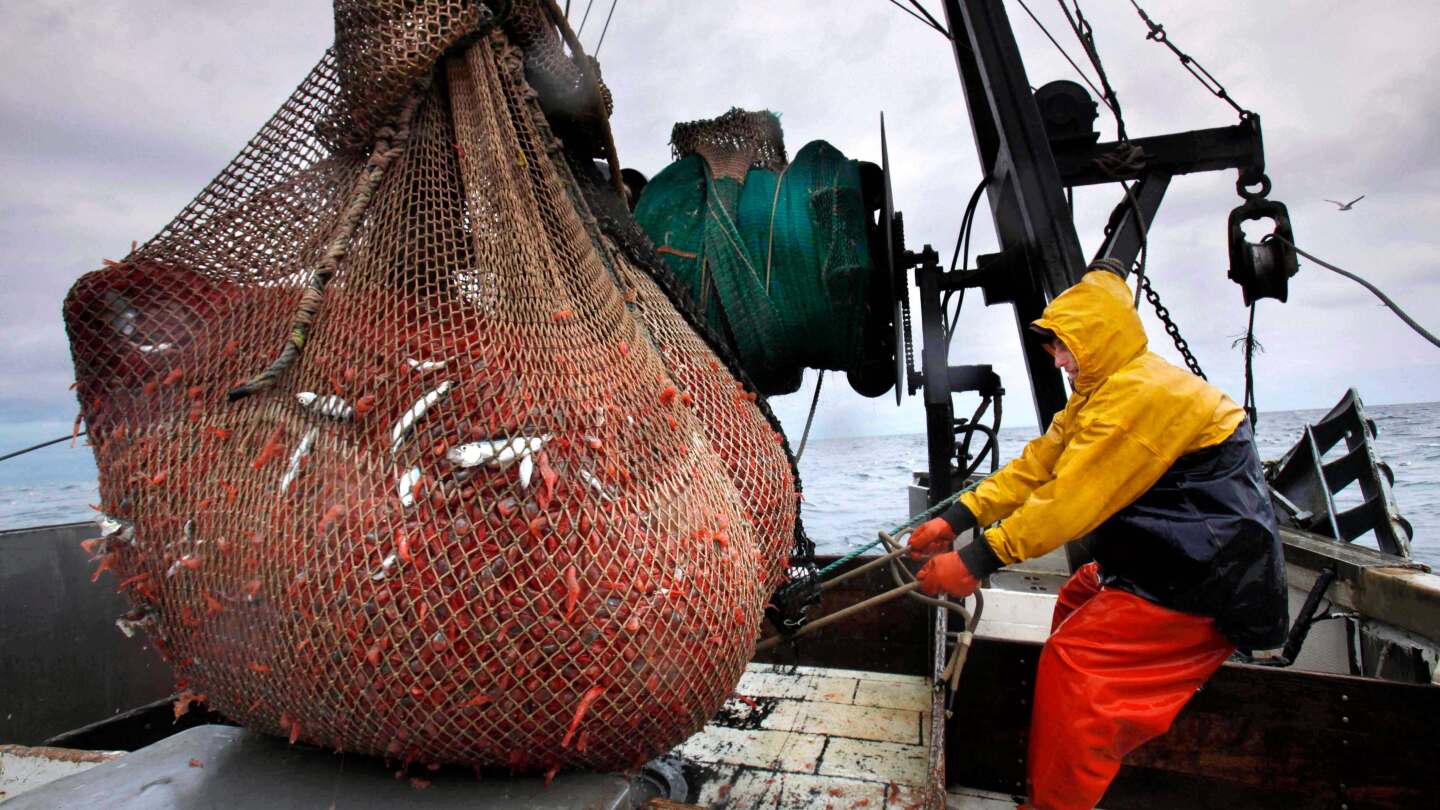
Regulators voted Thursday to extend a moratorium on New England’s once-thriving shrimp fishery, continuing a shutdown that has now stretched for a decade as warming ocean temperatures continue to threaten the species’ survival.
The Atlantic States Marine Fisheries Commission, which oversees marine fisheries along the East Coast, determined that the northern shrimp population in the Gulf of Maine remains “poor” despite modest improvements in environmental conditions. The decision extends the fishing ban for at least another three years.
Maine fishermen, who dominated the regional shrimp harvest, have been unable to commercially catch the small pink crustaceans since 2014 when regulators first implemented the moratorium due to collapsing populations.
“Even with the bad weather, exceptionally low catch levels observed throughout the program reinforce concerns about the viability of the northern shrimp stock in the Gulf of Maine,” regulators noted in their assessment documents.
Prior to the vote, regulators had permitted a limited industry-funded sampling program to assess current shrimp populations. The results were discouraging—participating fishermen caught only 70 individual shrimp weighing less than three pounds total, despite multiple attempts.
Climate scientists and marine biologists have identified rising ocean temperatures in the Gulf of Maine as the primary factor in the shrimp population collapse. The region is warming faster than 99% of the world’s oceans, creating increasingly inhospitable conditions for cold-water species like northern shrimp.
The tiny pink shrimp, known for their sweet flavor and tender meat, were once a winter delicacy in New England and provided critical seasonal income for the region’s fishing communities. At its peak, the fishery was remarkably productive, with annual landings exceeding 10 million pounds.
Maine’s shrimp industry collapse was particularly dramatic. In 2012, fishermen landed over 4.8 million pounds of shrimp. By 2013, that figure had plummeted to less than 600,000 pounds—an 87% decline in a single year—signaling the ecological crisis that prompted the initial moratorium.
While the northern shrimp fishery represented only a small fraction of America’s overall wild shrimp harvest, which is concentrated primarily in the Gulf of Mexico and South Atlantic, it was culturally and economically significant to coastal New England communities. The winter shrimp season provided critical off-season income for lobstermen and groundfish harvesters during typically lean months.
Some industry advocates have periodically lobbied for a limited reopening of the fishery on a smaller scale, arguing that carefully managed harvesting could be sustainable and provide much-needed economic opportunities. However, the consistently poor population assessments have prevented any commercial restart.
Most Maine shrimpers have now adapted by diversifying their fishing portfolios, focusing more intensively on lobster, groundfish, or other species. Some have left the fishing industry altogether.
Marine conservation experts point to the shrimp fishery collapse as a canary in the coal mine for climate change impacts on ocean ecosystems. Species with narrow temperature tolerances, like the northern shrimp, serve as indicator species that demonstrate how quickly warming waters can transform marine environments and commercial fisheries.
The Gulf of Maine’s rapidly changing ecosystem continues to challenge fisheries managers, who must balance the economic needs of fishing communities with the biological reality of warming waters and shifting species distributions.
While the three-year extension of the moratorium provides regulatory certainty in the short term, the long-term prospects for New England’s shrimp fishery remain uncertain as ocean warming trends continue to reshape North Atlantic marine ecosystems.
Fact Checker
Verify the accuracy of this article using The Disinformation Commission analysis and real-time sources.

32 Comments
Production mix shifting toward Business might help margins if metals stay firm.
Good point. Watching costs and grades closely.
Good point. Watching costs and grades closely.
Production mix shifting toward Business might help margins if metals stay firm.
Good point. Watching costs and grades closely.
Good point. Watching costs and grades closely.
The cost guidance is better than expected. If they deliver, the stock could rerate.
Good point. Watching costs and grades closely.
Exploration results look promising, but permitting will be the key risk.
Good point. Watching costs and grades closely.
Good point. Watching costs and grades closely.
Nice to see insider buying—usually a good signal in this space.
If AISC keeps dropping, this becomes investable for me.
Silver leverage is strong here; beta cuts both ways though.
Good point. Watching costs and grades closely.
Good point. Watching costs and grades closely.
Silver leverage is strong here; beta cuts both ways though.
Interesting update on New England’s shrimp fishery to shut down for the long haul after years of decline. Curious how the grades will trend next quarter.
Good point. Watching costs and grades closely.
Good point. Watching costs and grades closely.
Production mix shifting toward Business might help margins if metals stay firm.
Good point. Watching costs and grades closely.
Interesting update on New England’s shrimp fishery to shut down for the long haul after years of decline. Curious how the grades will trend next quarter.
Good point. Watching costs and grades closely.
Good point. Watching costs and grades closely.
Nice to see insider buying—usually a good signal in this space.
Nice to see insider buying—usually a good signal in this space.
Good point. Watching costs and grades closely.
If AISC keeps dropping, this becomes investable for me.
Good point. Watching costs and grades closely.
The cost guidance is better than expected. If they deliver, the stock could rerate.
Good point. Watching costs and grades closely.