


Listen to the article
Irish Fuel Protests Intensify as Shortages Loom and Government Seeks Resolution
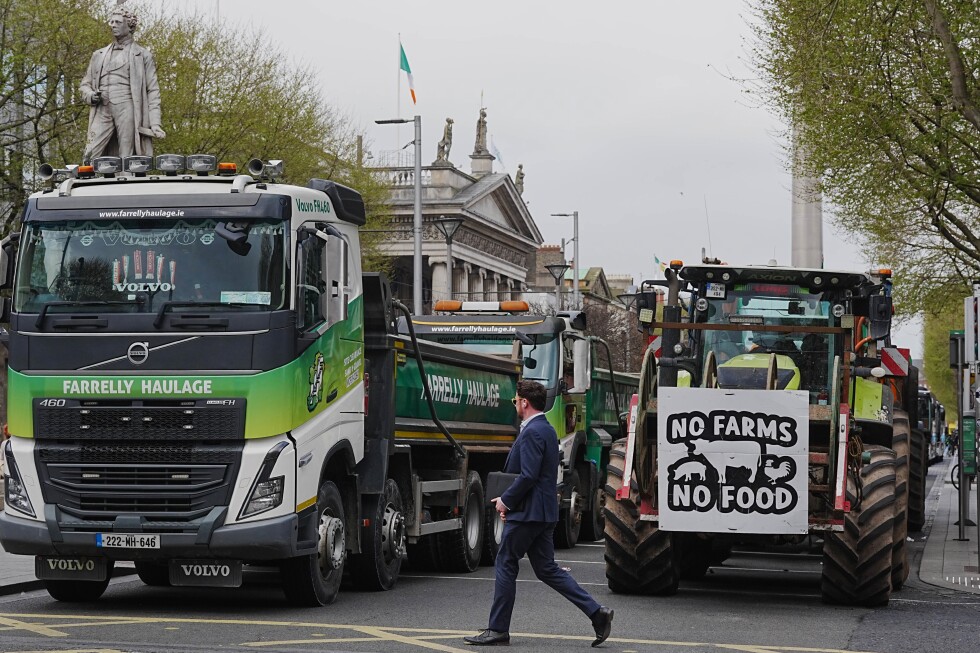
Protests over soaring fuel prices in Ireland stretched into their fourth consecutive day on Friday, raising serious concerns about nationwide fuel shortages and potential disruptions to emergency services. Demonstrators have effectively paralyzed key transportation routes and blocked access to critical refining and distribution facilities across the country.
The Irish government scheduled urgent talks with farmers, truckers, and agricultural contractors on Friday to address the escalating crisis. The protests were triggered by skyrocketing gasoline and diesel costs, exacerbated by the ongoing Middle East conflict which has restricted oil exports and destabilized global energy markets.
While protest organizers have indicated they would suspend their actions if meaningful government dialogue occurs, uncertainty remains about whether grassroots demonstrators will be included in the official discussions. This ambiguity has created tension around the potential effectiveness of today’s talks.
The coordinated demonstrations began on Tuesday when slow-moving vehicle convoys restricted access to Dublin’s busiest thoroughfares and strategically blocked fuel depots that supply approximately half of Ireland’s fuel needs. In a show of determination, some protesters maintained their blockades overnight, sleeping in their vehicles while demanding direct government engagement.
The situation has rapidly deteriorated, with national broadcaster RTE reporting that over 100 service stations have already exhausted their fuel supplies. Industry organization Fuels for Ireland warned this number could quintuple by Friday evening if the blockades continue, potentially creating a nationwide energy crisis that would affect businesses, commuters, and essential services.
Concerns about public safety prompted the government on Thursday to deploy the army to remove vehicles from blocked roads. Officials expressed particular worry that the protests might impede police, firefighters, and ambulance services responding to emergencies, potentially putting lives at risk.
The current disruptions evolved from what began as separate demonstrations in major Irish cities demanding further reductions in fuel prices. Ireland, like many European nations, has faced significant energy cost inflation over the past two years, putting substantial financial pressure on households and businesses.
The government had previously implemented several measures to mitigate rising fuel costs, including a temporary reduction in excise taxes on motor fuels, expanding rebate programs for commercial diesel users like truckers and bus operators, and extending heating assistance programs for vulnerable low-income households. However, protesters argue these measures fall short given the continued upward trajectory of fuel prices.
The demonstrations highlight a growing economic challenge facing many European governments as they balance fiscal responsibility with mounting public pressure over the cost-of-living crisis. Ireland’s geographic position as an island nation makes it particularly vulnerable to fuel supply disruptions, with limited alternative distribution channels available when standard routes are blocked.
Economic analysts note that prolonged protests could have cascading effects beyond immediate fuel shortages, potentially disrupting supply chains, increasing consumer goods prices, and hampering Ireland’s economic recovery efforts following the pandemic.
As government officials prepare for today’s discussions, both sides face significant pressure to find common ground. Authorities must address legitimate economic concerns while maintaining public order, and protesters must consider the broader societal impacts of prolonged disruptions to essential fuel supplies.
The outcome of Friday’s talks may determine whether Ireland faces a weekend of continued protests and worsening fuel shortages or begins moving toward a resolution of this increasingly volatile situation.
Fact Checker
Verify the accuracy of this article using The Disinformation Commission analysis and real-time sources.

8 Comments
As an investor, I’ll be closely monitoring how this situation evolves and any potential impacts on mining, energy, and related sectors. Stability in fuel supplies is vital for the broader economy.
These fuel protests are a concerning development, as they threaten to disrupt critical supply chains. I hope the government and protest organizers can find a way to constructively address the underlying issues.
The Irish fuel protests underscore the complex interplay between energy policy, economic pressures, and social unrest. Navigating these dynamics will require nuanced policymaking and stakeholder engagement.
The global energy crunch is really putting pressure on countries and consumers. I’m curious to see if this prompts any policy changes or investment shifts towards alternative fuels and renewable energy sources in Ireland.
Disruptions to fuel supplies can have far-reaching impacts, so I hope the government and protest organizers can find a mutually agreeable solution. The global energy market dynamics are certainly making this a difficult situation to resolve.
As someone with investments in mining and commodities, I’m keenly interested in how this situation unfolds. Disruptions to fuel supplies could have significant ramifications across multiple sectors.
The fuel price protests in Ireland highlight the challenges governments face in balancing economic pressures with maintaining critical supply chains. It will be interesting to see how the government navigates these complex negotiations.
As an investor in mining and energy equities, I’m watching this situation closely. Prolonged fuel shortages could disrupt production and distribution for a range of commodities. A swift resolution would be ideal to avoid further economic damage.