


Listen to the article
Once considered an oddity in American homes, bidets are steadily gaining popularity as more people seek hygienic and sustainable alternatives to toilet paper. The shift represents a significant change in American bathroom habits, bringing the U.S. closer to practices long established in countries like Italy and Japan.
The COVID-19 pandemic served as a turning point for bidet adoption when toilet paper shortages forced many Americans to explore alternatives. Environmental concerns, more affordable bidet options, and technological advancements in smart toilets have further accelerated the trend toward water-based cleaning methods.
Bidets recently captured national attention when New York City’s new mayor, Zorhan Mamdani, announced plans to have them installed in Gracie Mansion, the historic official residence of the city’s chief executive. This high-profile endorsement signals growing mainstream acceptance of what was once considered a foreign bathroom fixture.
Medical professionals often recommend bidets for specific populations, including patients with hemorrhoids, those recovering from surgery, or individuals with limited mobility due to age or disabilities. Dr. David Rivadeneira, a colorectal surgeon in Huntington, New York, emphasizes the importance of proper technique when using bidets.
“When using standalone bidets and ones installed on toilets, it’s best, especially for women, to turn on the faucet while facing the controls so the washing is done from front to back,” Rivadeneira explains. This positioning helps prevent the transfer of bacteria from the anal area to the urethra, reducing infection risk.
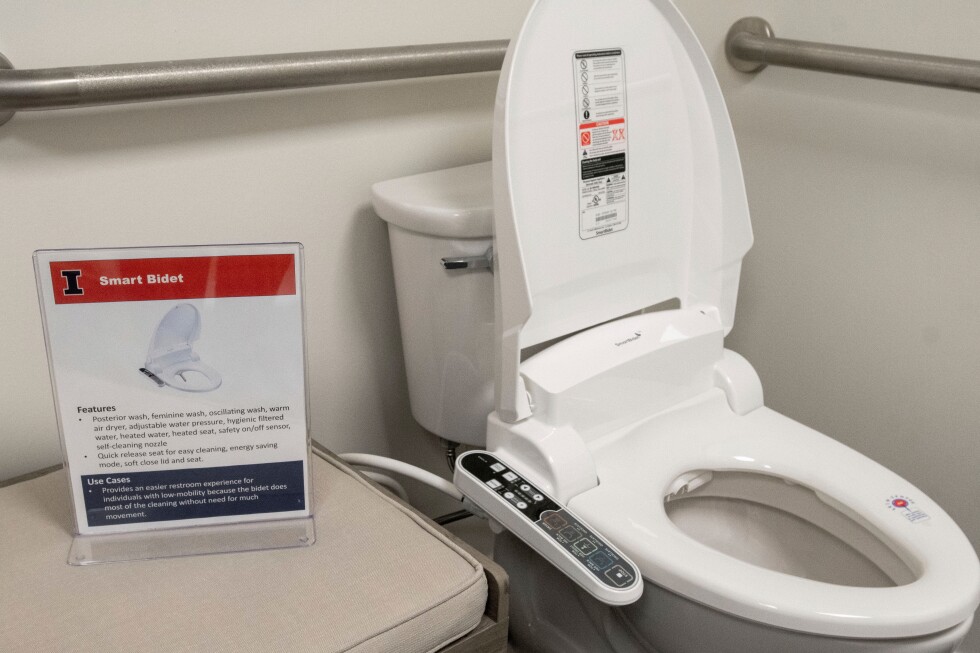
Today’s bidet market offers options for every budget, ranging from simple toilet seat attachments to sophisticated smart toilets with integrated bidets featuring heated seats, adjustable water pressure, and air dryers. Some budget-conscious consumers have even turned to DIY solutions, with social media platforms hosting videos demonstrating how to make portable bidets from plastic bottles.
Most health experts recommend using warm water at low pressure for brief periods, avoiding extreme temperatures. While gentle soap is optional, it’s generally unnecessary for regular users. After washing, patting dry with toilet paper or a dedicated cotton towel is advised to prevent moisture-related issues like yeast infections.
Dr. Neal H. Patel, a family physician with Providence St. Joseph Hospital in California, stresses the importance of regular bidet maintenance. “Make sure to wipe down the nozzle every week or two with disinfectant wipes to remove bacteria,” he advises.
The health benefits of bidets are increasingly recognized by medical professionals. Dr. George Ellis, a urologist in Orlando, notes, “The texture of toilet paper can cause irritation and itching, while the gentle water stream of a bidet is less abrasive and healthier for the skin.” This makes bidets particularly beneficial for people with chronic diarrhea, urinary tract infections, hemorrhoids, fistulas, and anal fissures.
A 2023 editorial in the International Journal of Women’s Dermatology highlighted bidets’ value for people with skin conditions like eczema, psoriasis, and contact dermatitis in the perianal region. The authors also noted that bidets can help individuals with physical limitations maintain independence in personal hygiene, potentially reducing caregiver burden.
However, experts caution that bidets aren’t suitable for everyone in all situations. Some Japanese doctors have observed patients developing rashes or experiencing bowel control difficulties after frequent use. Dr. Danielle Antosh, a urogynecologist in Houston, recommends consulting a doctor before using high-pressure bidets after childbirth or for those with genital ulcers.
From an environmental perspective, bidets generally represent a greener choice than toilet paper. The National Resources Defense Council reports that bidets “significantly cut down on the use of toilet paper, helping to lessen the environmental impacts associated with tissue production.”
However, Gary Bull, a professor emeritus of forestry at the University of British Columbia, suggests a more nuanced approach to evaluating sustainability. “While it makes sense and is agreed bidets are more sustainable, truly knowing the environmental impact requires calculating all the carbon emitted and energy used throughout a product’s lifecycle,” Bull explains, noting that electric bidets consume energy for water and seat heating.
Andrea Hicks, a professor of civil and environmental engineering at the University of Wisconsin, recommends considering local water availability when making a choice. In water-stressed regions like Arizona, toilet paper might be more sustainable, while bidets make more sense in water-abundant areas.
As American bathroom habits continue to evolve, bidets represent not just a change in personal hygiene practices but potentially a shift toward more sustainable and accessible bathroom solutions for a diverse population.
Fact Checker
Verify the accuracy of this article using The Disinformation Commission analysis and real-time sources.

10 Comments
As someone who has used bidets while traveling abroad, I can attest to the benefits. The cleanliness and reduced waste are hard to beat. It’s good to see more Americans open to this alternative.
Interesting to see bidets gaining more mainstream acceptance in the US. I wonder if this will spur more innovation and affordable options for consumers. Hygiene and sustainability benefits seem like compelling reasons to consider a bidet.
Agreed, the environmental benefits of reducing toilet paper waste are a big plus. And for certain medical conditions, bidets can provide more comfortable and hygienic cleaning.
I’m curious to see if the bidet trend extends beyond just residential use. Could we see more adoption in commercial settings like offices, schools, and other public facilities?
That’s an interesting thought. Wider bidet adoption in public spaces could further normalize their use and make them more accessible to a broader population.
The mention of the NYC mayor installing bidets in Gracie Mansion is a notable sign of growing bidet adoption. I’m curious to see if this leads to more public buildings and residences incorporating them.
Yes, high-profile endorsements like that can really help normalize the use of bidets. It will be interesting to see if this trend continues to spread across the country.
I wonder how the costs and installation requirements of bidets compare to traditional toilet setups. That could be a key factor in driving wider adoption, especially for lower-income households.
Good point. Affordability and ease of installation will be important considerations as bidets become more mainstream. Manufacturers will likely need to address those barriers.
The COVID-19 toilet paper shortages were definitely a wakeup call for many Americans to explore alternatives like bidets. Hygiene and sustainability are compelling reasons to make the switch.