


Listen to the article
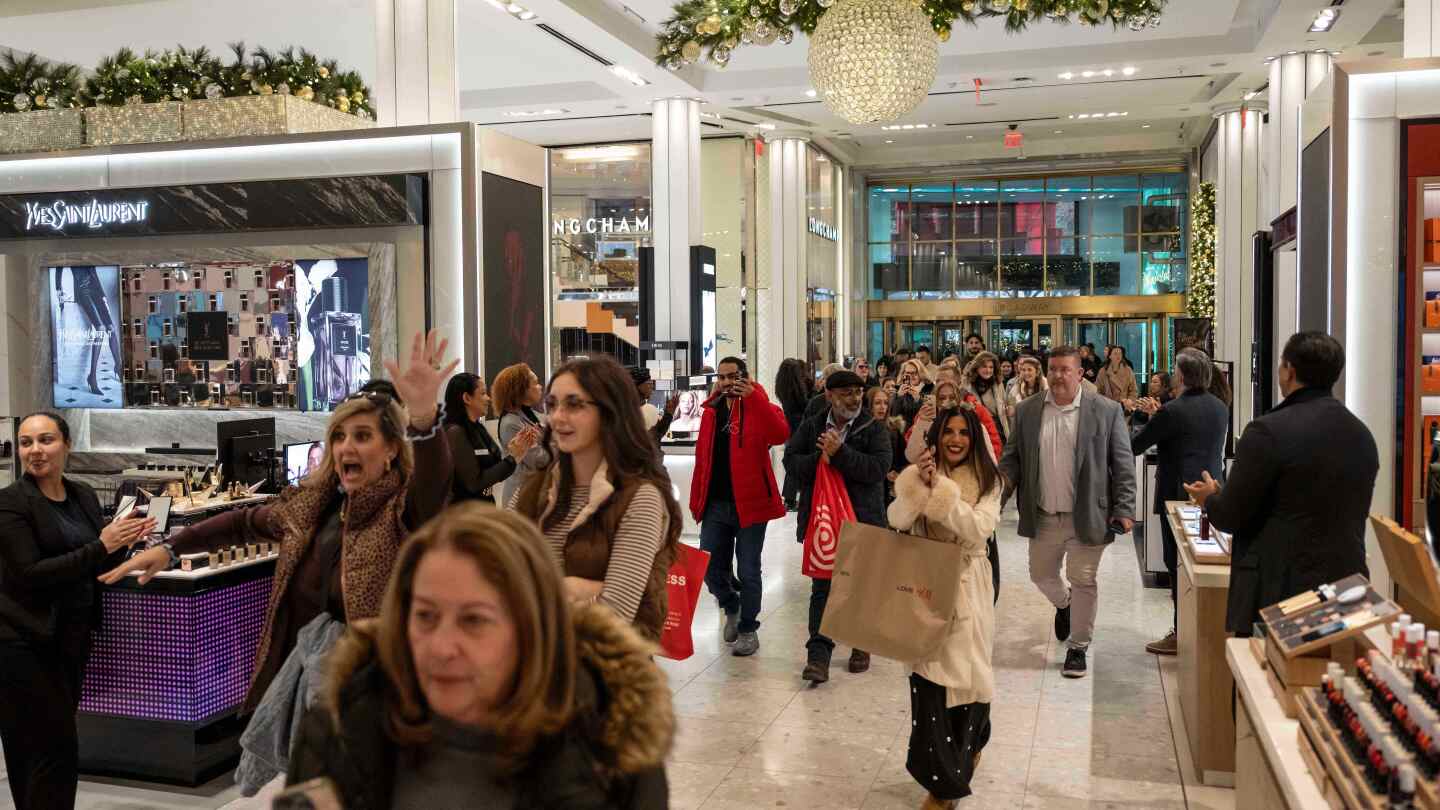
Department stores across America are fighting an uphill battle to reclaim their once-dominant position in the beauty industry, as consumers increasingly turn to social media, AI tools, and e-commerce for their cosmetics needs.
Quinn Kelsey, a 38-year-old Denver resident, exemplifies the challenge these retailers face. “I use Chat GPT as my personal beauty consultant,” Kelsey says. “Department stores? I’ll walk through one for the decor, but they’ve basically lost me unless I can get the same product-research experience there that I can get scrolling through my phone at home.”
Once considered the ultimate beauty shopping destination, department stores began losing their authority as trendsetters in the late 1990s with the rise of specialty retailers like Sephora and Ulta Beauty, which transformed cosmetics shopping into a more interactive, self-directed experience.
Today, competition in the $129 billion U.S. beauty and personal care market is fiercer than ever, largely due to the convenience of e-commerce. Amazon has emerged as the nation’s largest online seller of beauty products, gradually expanding its selection to include premium brands.
Social media platforms have fundamentally altered how consumers discover and learn about beauty products. Rather than relying on store advisers, shoppers now look to TikTok and Instagram videos from influencers, brand founders and dermatologists. “Stores are more of the showroom, but the spark itself is happening in TikTok,” explains Jake Bjorseth, founder of Generation Z advertising agency Trndsttrs.
In response to these shifting consumer preferences, department store giants are investing heavily in reinventing their beauty departments. Macy’s and Nordstrom have renovated the beauty floors of their flagship New York stores, adding more space, ultra-luxury brands, and cutting-edge technology aimed at creating experiences unavailable online.
At Nordstrom’s Manhattan store, customers can now book robot-applied eyelash extensions for $170, while Macy’s Herald Square offers virtual reality experiences for perfume sampling and advanced skin analysis devices that help justify premium skincare products with hefty price tags.
“This is the future of beauty,” says Nicolette Bosco, Macy’s vice president of beauty, referring to the interactive technology the retailer considers essential for delivering an elevated shopping experience.
Macy’s CEO Tony Spring, who took the helm last year, plans to redesign beauty departments in 40 more stores as part of his strategy to revitalize the brand by attracting the higher-spending customers who drive sales at the company’s upscale properties, Bloomingdale’s and Bluemercury.
“We’re trying very hard to take the idea of a department store and make it intimate and friendly and convenient,” Spring explains.
Nordstrom’s reimagined beauty floor includes areas for testing beauty tools like LED light therapy masks and a “fragrance finder” that provides dry samples of up to 60 different scents. The retailer has also expanded its treatment offerings to include medical spa services, with Botox and dermal filler injections ranging from $575 to $1,050.
Even beauty specialty retailers are evolving their approaches. Sephora, which revolutionized beauty retail with its self-service concept, is updating its 720 North American stores, moving beauty service stations to provide more privacy and equipping staff with mobile payment devices to reduce checkout times. The chain is owned by French luxury goods conglomerate LVMH.
Ulta Beauty, known for combining drugstore and high-end brands, is enhancing its service menu with ear piercing, robotic manicures, and plans to add automated lash extensions similar to Nordstrom’s next year.
Traditional retailers like Walmart are also moving upmarket, adding beauty counters in 100 stores and expanding their product ranges to include independent and premium brands.
The impact of social media on beauty retail continues to grow. TikTok Shop, launched in 2023, has quickly become the nation’s seventh-largest online beauty retailer, ahead of Target, according to market research firm Euromonitor International. Meanwhile, Macy’s and Nordstrom’s online market shares remain small and are declining, at 1% and less than 0.5% respectively.
The holiday shopping season, which accounts for about one-quarter of all U.S. prestige beauty sales, will be a critical test for these reinvented beauty departments as they compete for consumer attention in an increasingly digital marketplace.
Fact Checker
Verify the accuracy of this article using The Disinformation Commission analysis and real-time sources.

13 Comments
The shift towards online and social media-driven beauty shopping is a significant trend that department stores will need to address. Integrating AI-powered product recommendations and creating immersive in-store experiences could be some ways for these retailers to stay competitive.
Absolutely, department stores will need to be nimble and innovative to adapt to these changing consumer preferences and remain a destination for beauty shoppers.
The beauty industry’s shift towards digital channels like TikTok and Amazon is an interesting development. It highlights how consumer preferences are evolving and the need for traditional retailers to adapt their in-store experiences to stay relevant.
You’re right, department stores will need to find creative ways to differentiate themselves and provide a unique shopping experience that online platforms can’t replicate.
The growth of AI-powered beauty recommendations is a fascinating trend. It will be intriguing to see how department stores leverage technology to enhance their offerings and recapture market share.
Agreed. Integrating AI assistants and product research tools into the in-store experience could be a compelling way for department stores to compete.
It’s interesting to see how consumer behavior in the beauty industry is evolving, with a greater emphasis on convenience, personalization, and digital engagement. Department stores will need to adapt to these changing preferences to remain competitive.
This article highlights the evolving landscape of the beauty industry, with consumers increasingly turning to digital channels for their cosmetics needs. Department stores will need to carefully evaluate their strengths and find ways to differentiate themselves to remain relevant.
This article highlights the ongoing challenges facing the traditional retail model as e-commerce and social media disrupt the beauty industry. It will be crucial for department stores to innovate and provide a compelling reason for consumers to visit their physical locations.
The rise of e-commerce and social media platforms as dominant players in the beauty industry is a significant challenge for traditional department stores. They’ll need to find innovative ways to provide value and create a compelling in-store experience to attract customers.
Agreed. Leveraging technology, enhancing the customer experience, and offering unique product selections could be key strategies for department stores to explore.
The shift towards online and social media-driven beauty shopping is a significant trend. Department stores will need to carefully evaluate their strengths and find ways to leverage them to create a differentiated in-store experience.
Absolutely. Curating unique product selections, enhancing the ambiance, and providing personalized service could be some strategies for department stores to consider.